
Wigs are a lifesaver for many – they give you instant style changes, protect your natural hair from daily styling, and boost your confidence. However, while wigs can shield your hair from heat and chemical damage, wearing them improperly or neglecting your hair underneath can cause dryness, breakage, and even hair loss.
If you’re wondering how to protect your hair under a wig and keep it moisturized, strong, and growing, this guide is for you. We’ll go over why protection matters, what mistakes to avoid, and 10 essential tips you can start following today.
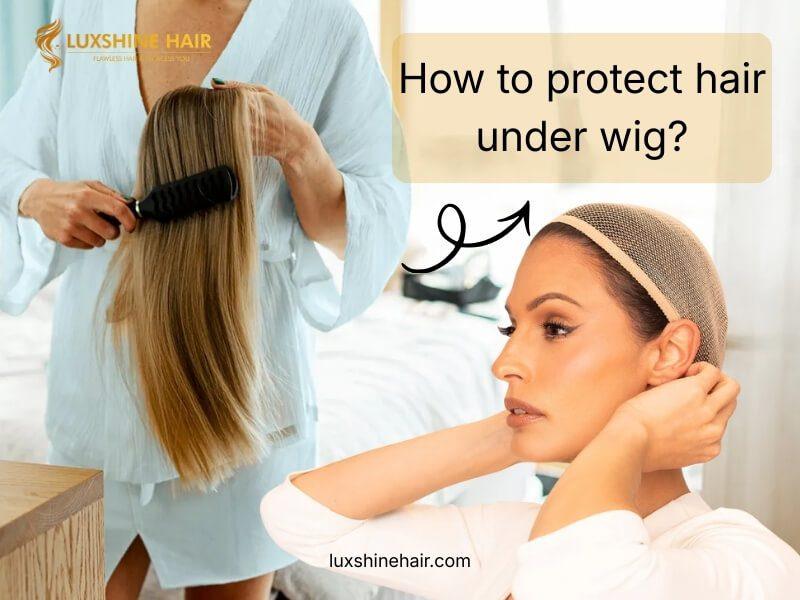
Why Do You Need to Protect Hair Under Wig?
Wearing wigs can be a protective style, but only if you do it right. In my experience working with salons and long-term wig clients, the biggest misconception is that “hiding hair = protecting hair.” In reality, most damage happens under the wig, not from styling tools. Tight caps, dry braids, and zero scalp access quietly weaken the hair shaft over time.
Without proper care, your real hair and scalp can suffer. Here’s why learning how to protect hair under wig is so important:
Dry Hair, Breakage, and Itchy Scalp
When your hair is covered for long periods, it can lose moisture quickly. Friction from the wig cap can also cause split ends and breakage. Plus, a damp, covered scalp can become itchy or irritated.
Broken Hairline (Edges)
Tight wig caps or adhesive applied too close to the hairline can damage delicate baby hairs, leading to thinning edges – something very hard to grow back.
Hair Can’t “Breathe”
Your scalp needs oxygen and proper blood circulation for healthy hair growth. Wearing a wig without breaks or proper care can weaken your strands and stunt growth over time.

10 Tips to Protect Your Hair Under a Wig
If you’re serious about protecting hair under wig, here are ten proven strategies that will help you keep your natural hair strong and healthy.
1. Always Start with Clean Hair
The first rule of how to protect hair under wig is to never put a wig over dirty hair. Dirt, oil, and product buildup can clog your scalp pores, leading to irritation, dandruff, or even infection.
- Wash: Use a sulfate-free shampoo to gently cleanse your scalp and strands.
- Condition: Follow with a moisturizing conditioner to replenish hydration.
- Frequency: If you wear wigs daily, wash your hair every 7–10 days, depending on your scalp’s needs.
Avoid using heavy styling products before wearing your wig; they can cause buildup and leave your hair feeling greasy.

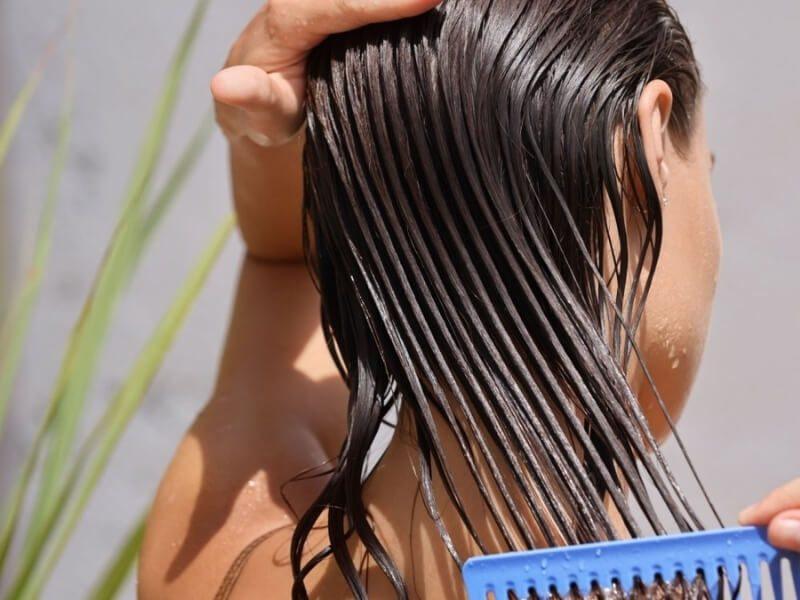
2. Keep Your Hair Moisturized
Moisture is the foundation of healthy hair, especially when it’s covered for long hours. Dry hair is more prone to snapping under the friction of a wig cap. Hydrated hair is flexible, making it less likely to break.
Many people recommend oiling the scalp daily under a wig. I disagree. Heavy oils applied too frequently, especially without regular washing, often clog follicles and cause itchiness or flakes. What works better long-term is light hydration (leave-in or mist) + regular cleansing, even if the hair stays braided. I always use a water-based leave-in or scalp mist like Mielle Pomegranate & Honey Leave-In, As I Am Leave-In Conditioner, or ORS Aloe Scalp Spray.
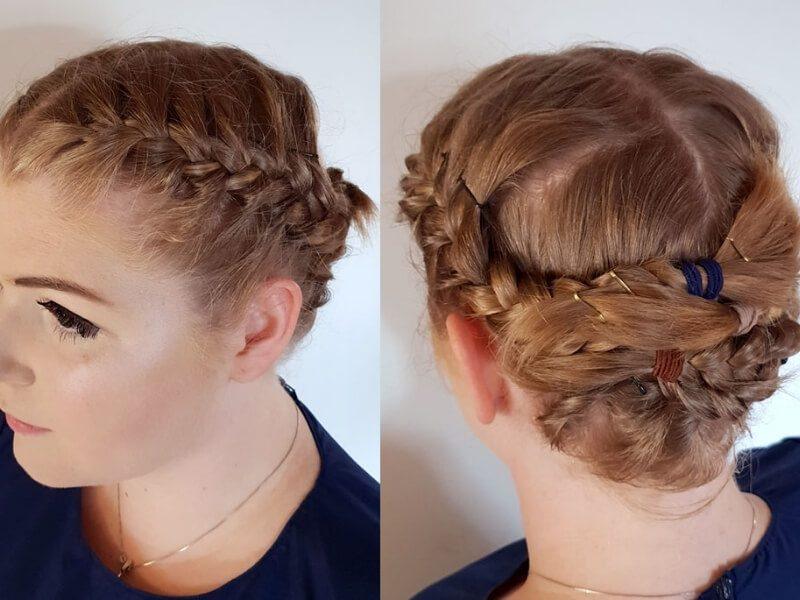
3. Braid Your Hair Down
Flat, neat braids help distribute tension evenly and keep your hair tangle-free under the wig.
- Best choices: Cornrows or flat twists.
- Avoid: Tight braids that pull at your scalp.
- Rotation: Change your braid pattern each time to prevent stress on the same areas.
Braiding also gives your wig a smoother surface to sit on, which helps it look more natural.
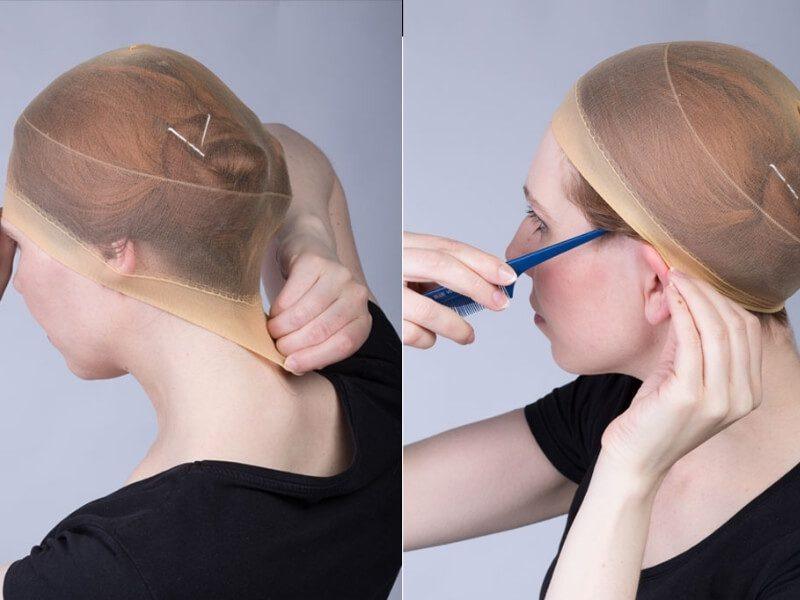
4. Wear a Silk or Satin Wig Cap
Many people use nylon or cotton wig caps, but these can absorb moisture from your hair, leaving it dry. My team and I have tried many types of wig caps and have chosen two options that are the most comfortable and minimize damage to natural hair: silk and satin caps.
- Silk or satin caps keep your hair’s natural oils intact and reduce friction.
- They’re especially good for people with curly or coily textures, as they minimize frizz.
5. Avoid Wearing Wigs Too Tight
A secure wig is important, but it shouldn’t feel like a vice on your head. Tight wigs cause tension on your scalp and edges, which can lead to breakage. I once attended a full-day event wearing a wig that felt “secure” but was actually too tight, and within hours I had a headache and sore edges that lasted for days. Since then, I always loosen adjustable straps and choose glueless wigs whenever possible to protect my scalp and hairline long-term.
- Adjustable straps: Use them to customize your fit.
- Glue-free options: Consider glueless wigs to avoid adhesive damage.
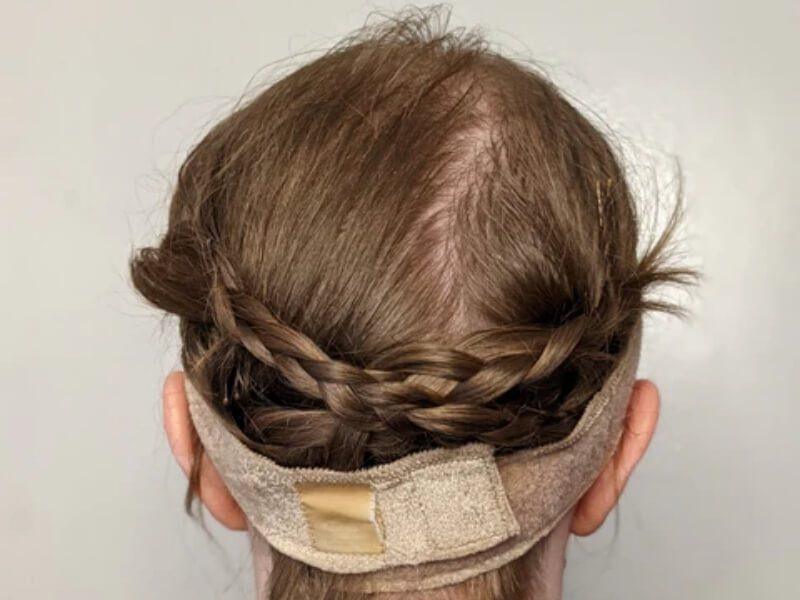
6. Take Wig-Free Breaks
Important warning: If you feel soreness, tingling, or numbness after removing your wig, that’s not “normal adjustment.” It’s your scalp signaling prolonged tension – a key early sign of traction-related hair loss.
Your hair and scalp need downtime. Even if you love your wig, don’t wear it 24/7.
- Daily break: Remove your wig for at least a few hours.
- Weekly break: Have one or two wig-free days if possible.
This gives your scalp time to breathe and allows you to moisturize your hair directly.

7. Massage Your Scalp Regularly
Scalp massages stimulate blood flow, which promotes hair growth and nutrient delivery to your follicles. This is the step I find most relaxing when wearing a wig for a long time; here’s how I usually do it:
- Use your fingertips (not nails) to gently massage in circles.
- Add a few drops of peppermint or rosemary oil for an extra boost.
Doing this before bed can also help relieve tension from wearing a wig all day.

8. Protect Your Edges
When talking about how to protect hair under wig, your edges deserve special attention.
- Apply a lightweight oil or edge protector before putting on your wig.
- Avoid placing wig adhesive directly on your hairline.
- If you use glue, clean it off thoroughly at the end of the day.
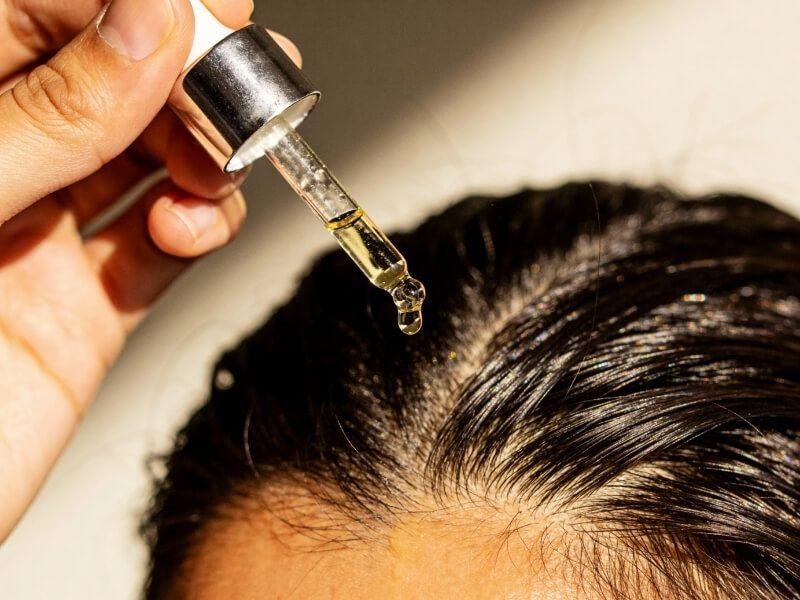
9. Maintain a Healthy Hair Care Routine
Just because your hair is hidden doesn’t mean you can skip care. Stick to your normal routine:
- Weekly or biweekly washes to cleanse the scalp.
- Deep conditioning every 1–2 weeks to restore hydration.
- Protein treatments every 4–6 weeks to strengthen strands.
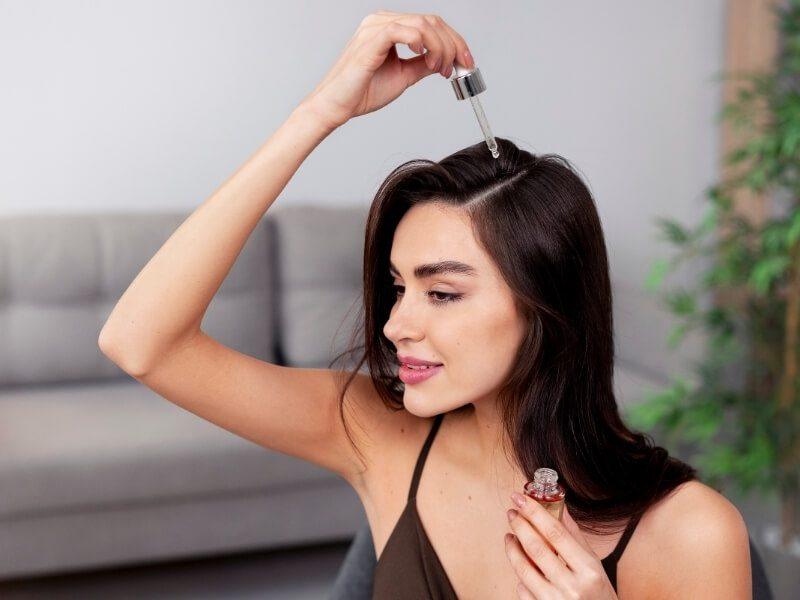
10. Handle Your Wig Properly
While this post is about how to protect hair under wig, remember that a well-maintained wig causes less damage to your natural hair.
- Keep your wig clean to avoid transferring dirt or product buildup to your hair.
- Store it on a stand to maintain its shape.
- Avoid using excessive heat or harsh chemicals on the inside of the wig cap.
To keep your wig looking brand new and maintain its shape, it is essential to learn how to store a wig correctly when not in use.
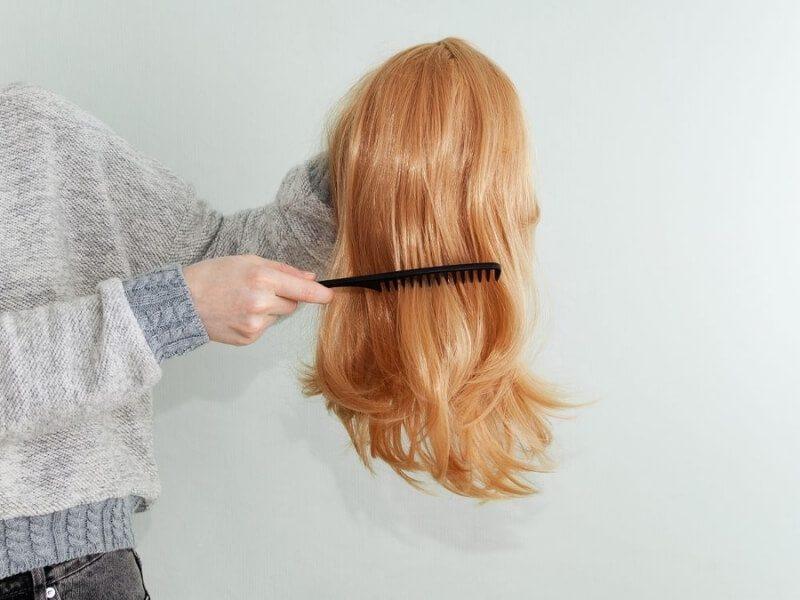
Extra Tips for Long-Term Hair Protection
- Switch up your braiding pattern to avoid putting stress on the same areas.
- Use a satin pillowcase if you sleep with your wig on (although removing it is better).
- Choose breathable wigs made with lace or mesh caps to allow airflow.
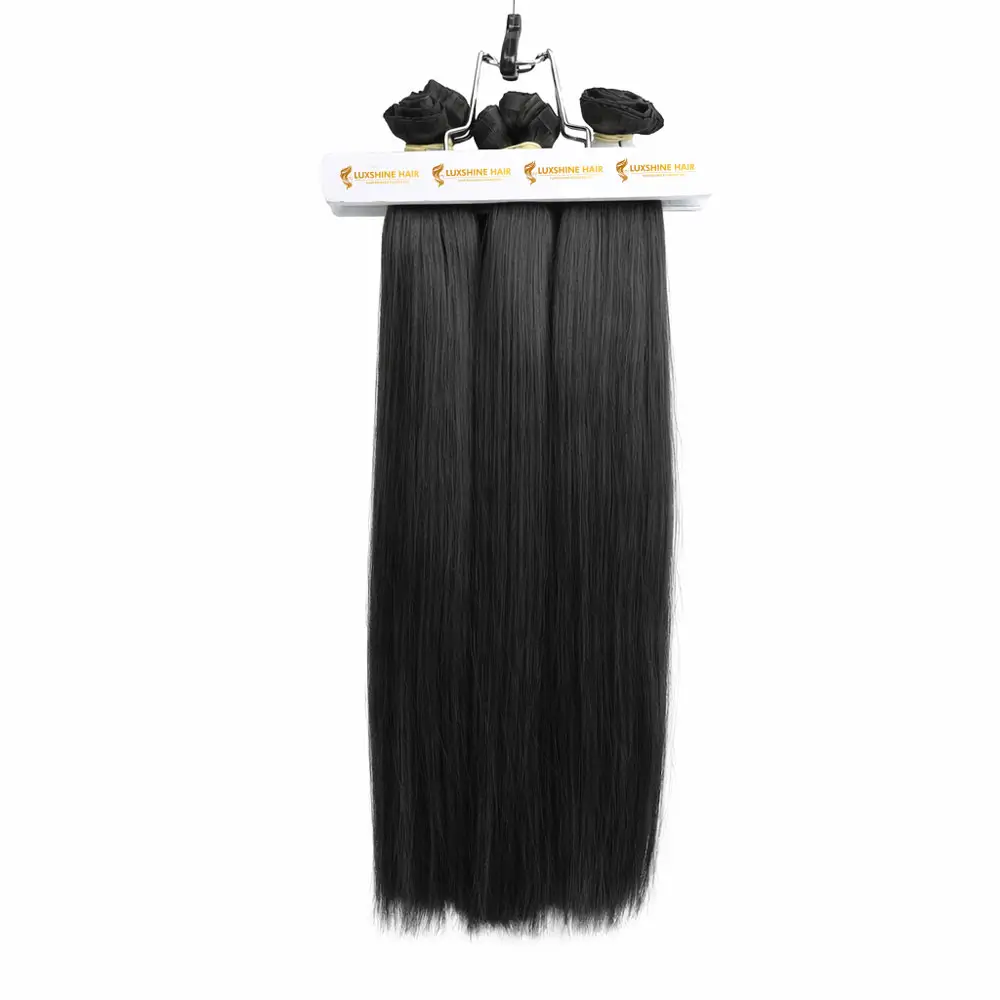
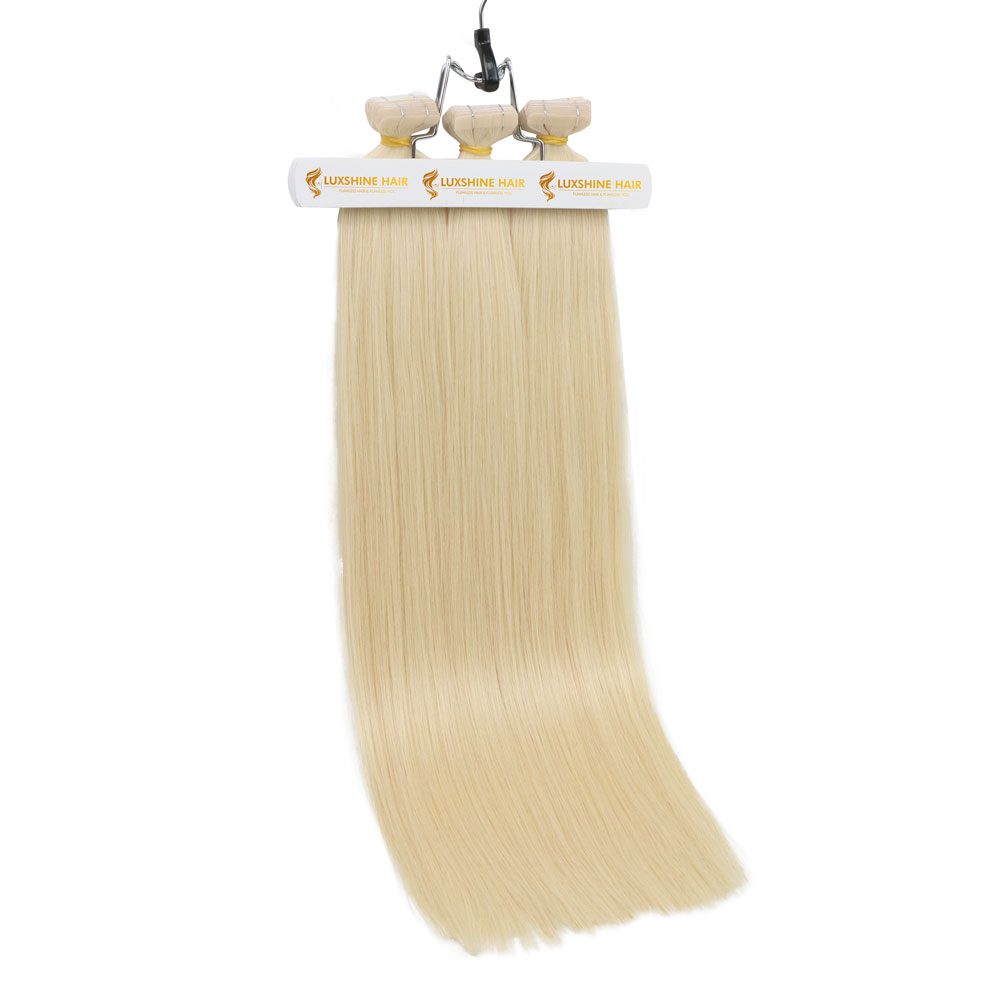
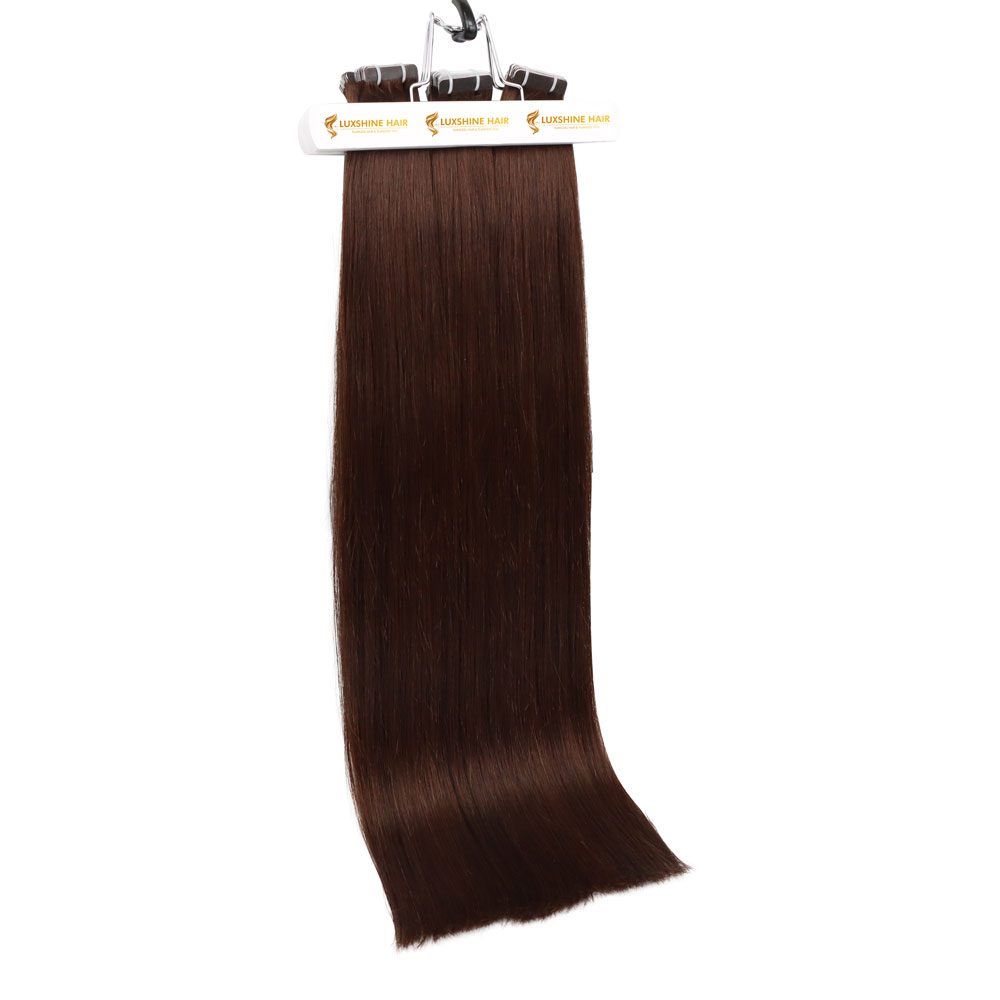
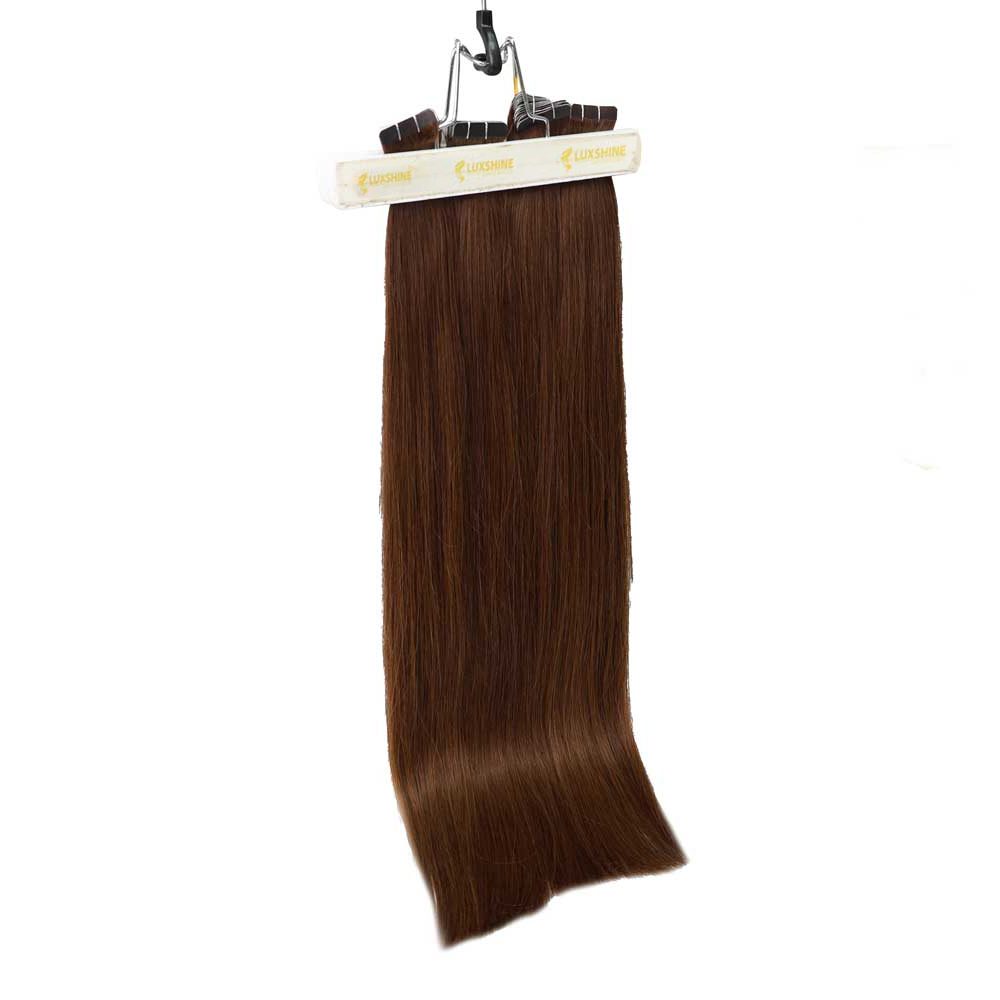
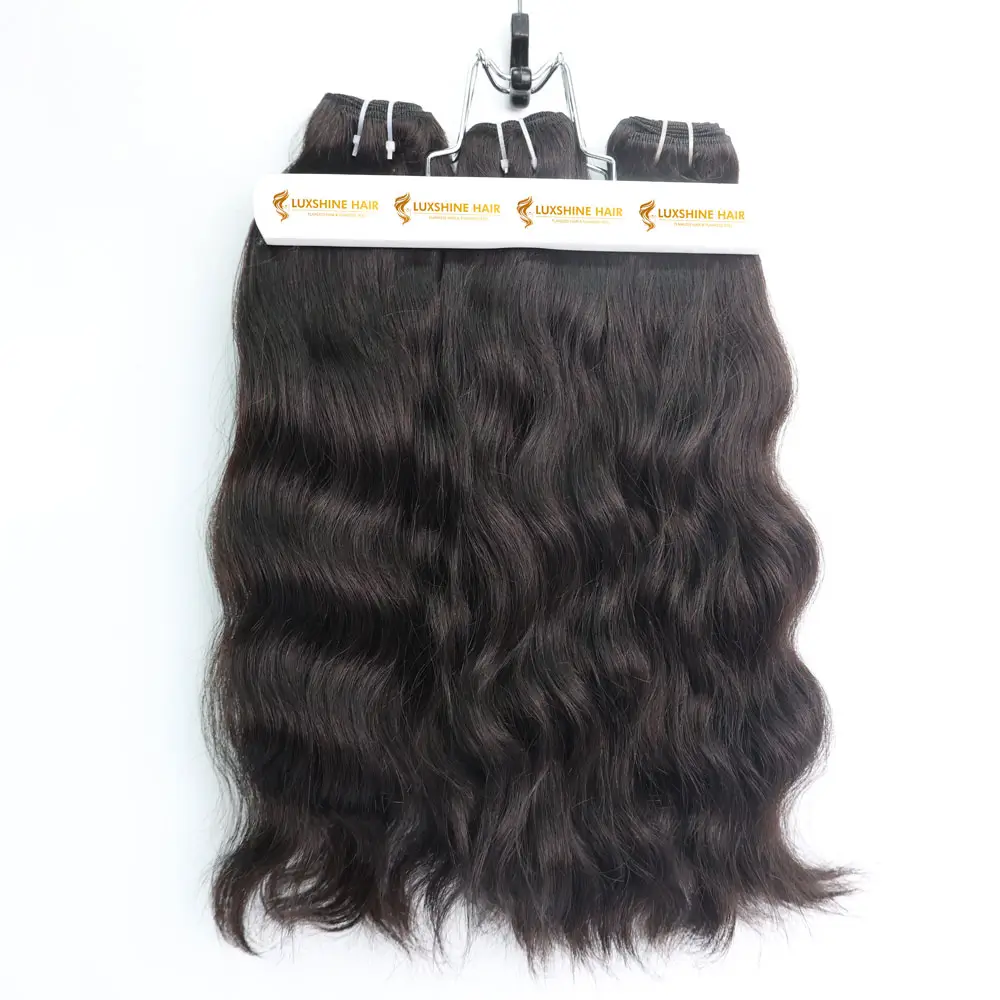
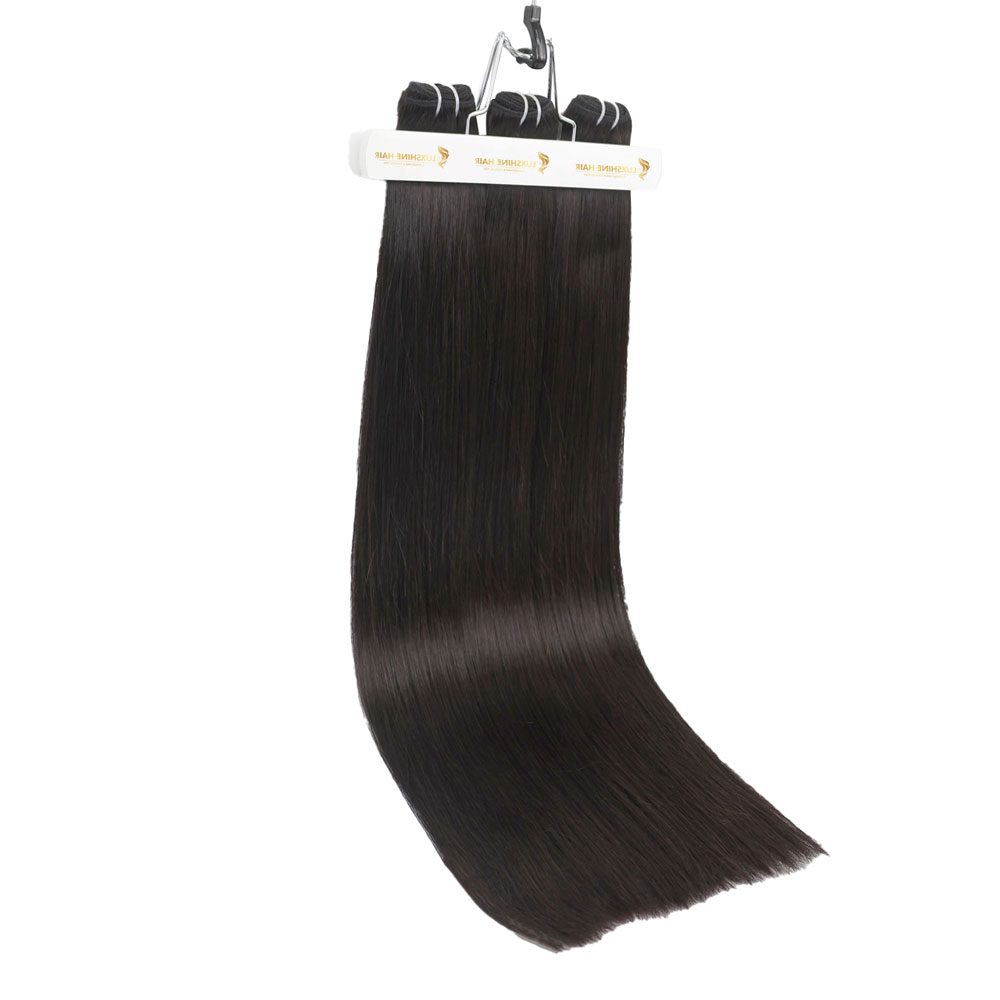
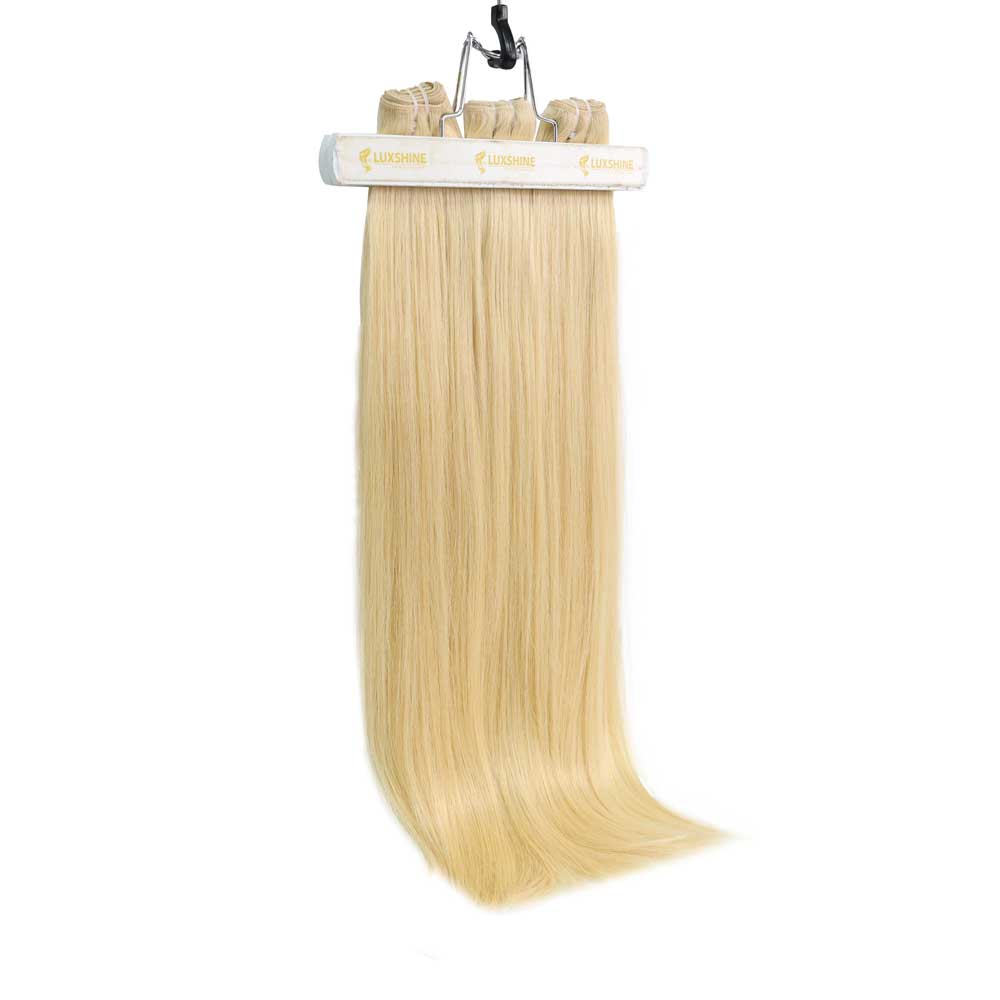
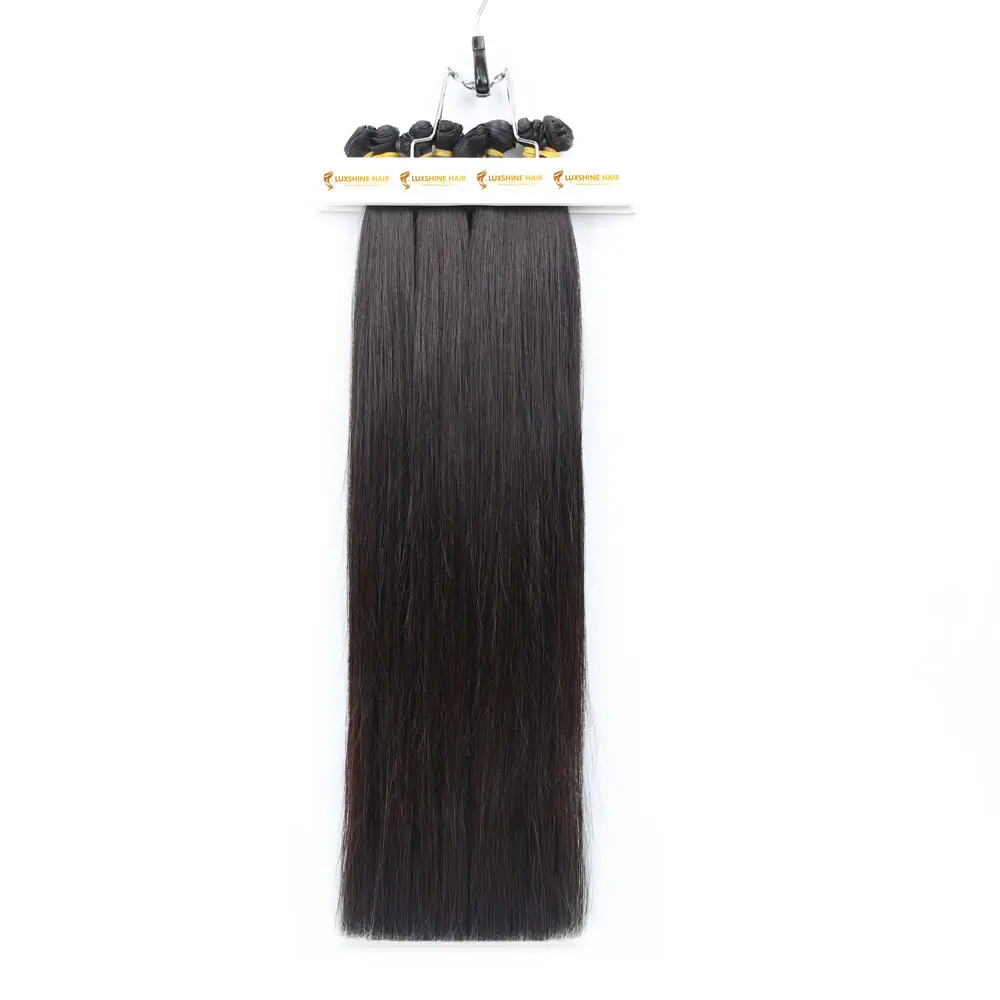
For me, breathability matters more than wig price. A $500 wig with a dense, non-ventilated cap can cause more scalp stress than a well-designed lace or mesh cap. This is why professional wig wearers prioritize cap construction, not just hair quality. If you’re looking for wigs with good quality hair and good breathability, I recommend Luxshine Hair. They have a wide variety of styles and colors to choose from!
Final Thoughts
Knowing how to protect hair under wig is the key to keeping your natural hair healthy while enjoying the versatility wigs provide. From moisturizing regularly to wearing silk wig caps and giving your hair breaks, these small habits will prevent damage and promote growth.
If you’re looking for premium-quality wigs that are gentle on your hair and scalp, Luxshine Hair – the leading Vietnamese hair vendor – offers a wide range of 100% human hair wigs designed for comfort, style, and longevity. Your hair deserves the best – start protecting it today.


 Vietnamese Hair Extensions
 Best Selling Products
 About us
 Contact Us
 Wholesale Hair Vendor
 Luxshine Hair Blog