
Among the many ways to apply weft hair extensions, sew-in remains one of the most trusted methods for achieving a secure, long-lasting result. However, technique matters just as much as hair quality. That is why how to sew in weft hair extensions is one of the most searched and most misunderstood topics in our industry.
I have installed, tested, and reviewed sew-in weft methods for years. Some techniques look great for two weeks and fail. Others stay flawless for months. In this guide, I specifically focus on how to sew in weft hair extensions using the bead method step-by-step, which is one of the most requested modern methods today.
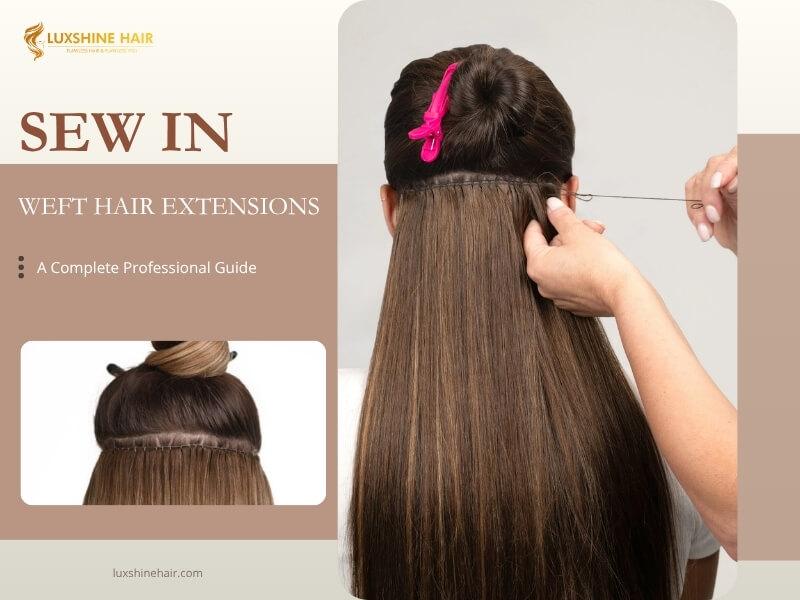
Different Sew-In Techniques for Weft Extensions
Before learning how to sew in weft hair extensions, you need to understand that there is no single “best” method. The best method depends on scalp condition, hair density, lifestyle, and styling habits.
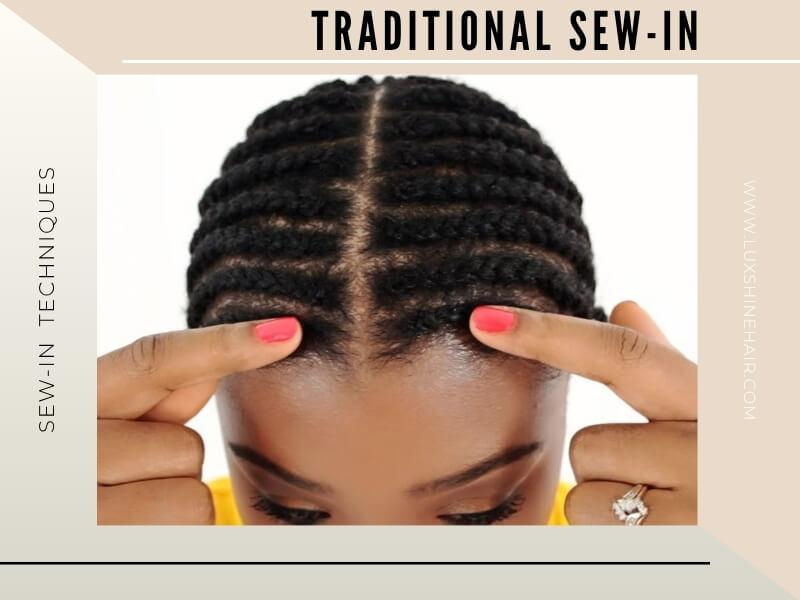
Traditional Sew-In (Cornrow Method)
This is the oldest and most widely known sew-in technique.
How it works:
- Natural hair is braided close to the scalp into cornrows
- The weft is sewn directly onto the braids
- The thread passes through the weft track and the braid
This method is strong and secure. It works well for thick hair and long-term wear.
In my early career, this was the first sew-in method I mastered, and it taught me discipline in sectioning and tension control.
Pros:
- Very durable
- Ideal for full-head installs
Cons:
- Braiding tension can feel tight
- Less flexible for fine hair clients
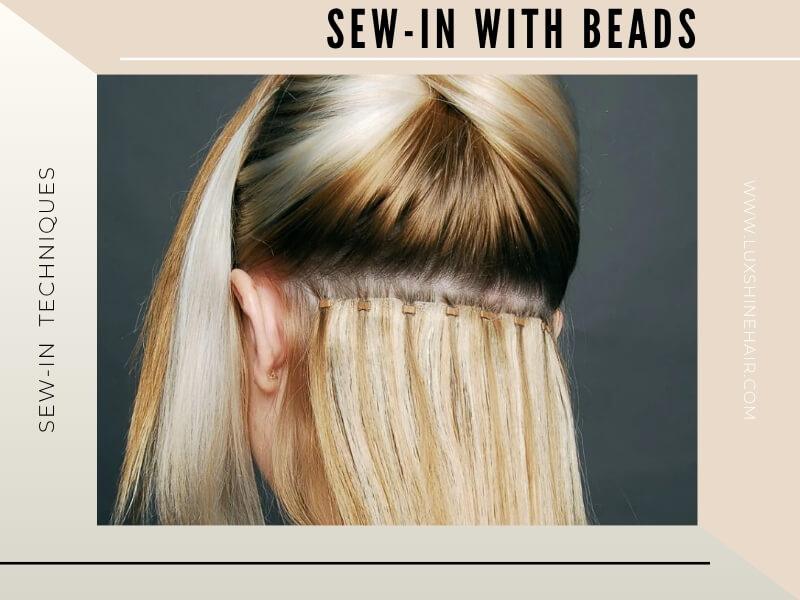
Sew-In with Beads
This technique is now extremely popular in salons worldwide.
How it works:
- No cornrows are required
- Micro beads or rings are placed along a horizontal parting
- Natural hair is pulled through each bead
- The weft is sewn onto the beaded foundation
This method is a core part of how to apply weft hair extensions with beads.
I prefer this method for clients with sensitive scalps because it eliminates braid tension completely.
Pros:
- No braiding
- Less scalp stress
- More flexible styling
Cons:
- Requires precise bead placement
- Needs professional adjustment over time
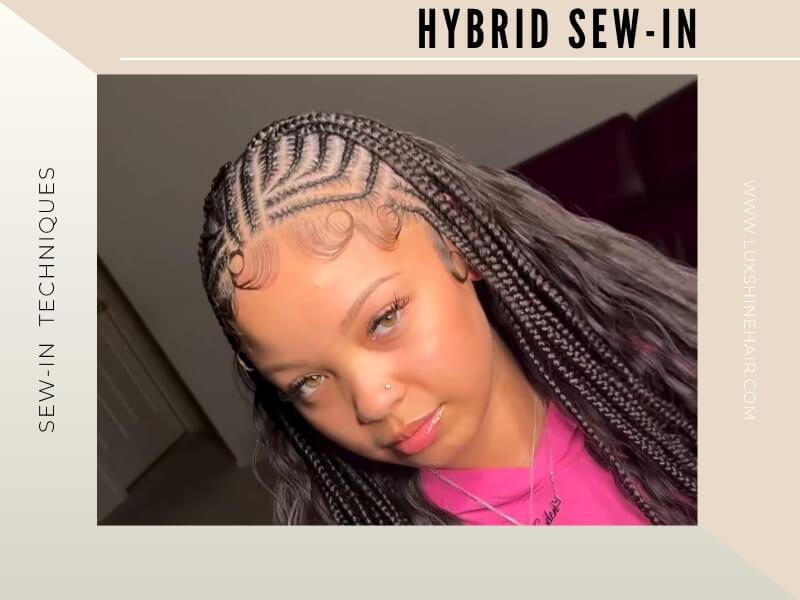
Hybrid Sew-In (Beads + Cornrow)
This method combines both techniques.
How it works:
- Cornrows are created in high-stress areas
- Beads are used in flexible or visible sections
- Wefts are sewn across both foundations
This is often used for complex hairstyles or heavier density installs.
Hybrid sew-ins are ideal for clients who want both strength and comfort in one install.
Invisible Bead Sew-In
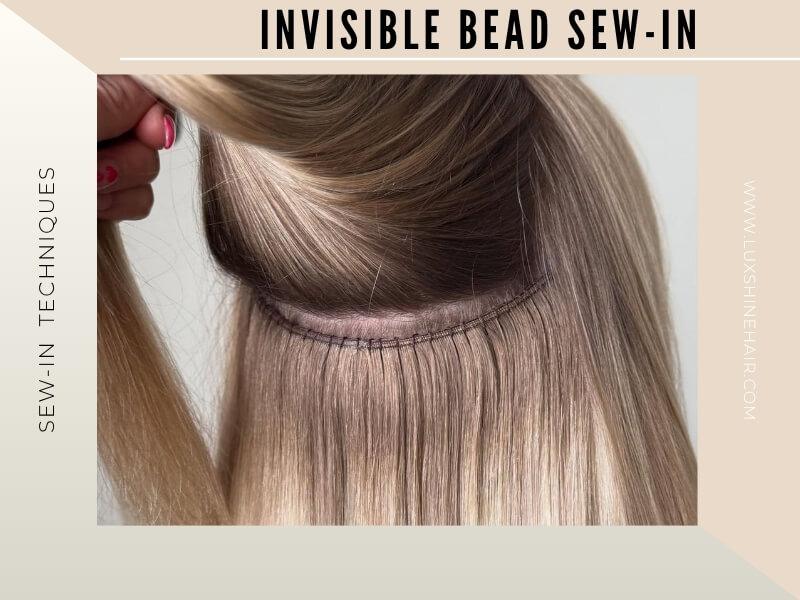
When it comes to Sew-In Weft Hair Extensions methods, anyone in the industry has certainly come across the terms IBS and IBE™. Both refer to extension installation methods that use concealed beads to create a seamless, natural-looking result.
While IBE™ (Invisible Bead Extensions) is a trademarked method by professional extension educators in the United States, IBS (Invisible Bead Sew-In) is commonly used as a general term for similar invisible-bead installation techniques.
How it works:
- Hair is threaded through micro beads in a precise pattern
- Wefts are stitched so threads remain hidden
- No visible beads or stitching
This technique creates an extremely natural finish.
I remember the first time I perfected an invisible bead sew-in. It completely changed how my clients viewed sew-in extensions. So beautiful ahhhh.
Pros:
- Ultra-natural look
- Ideal for thin hairlines
Cons:
- Requires high skill
- Takes more time
Flip Over Sew-In
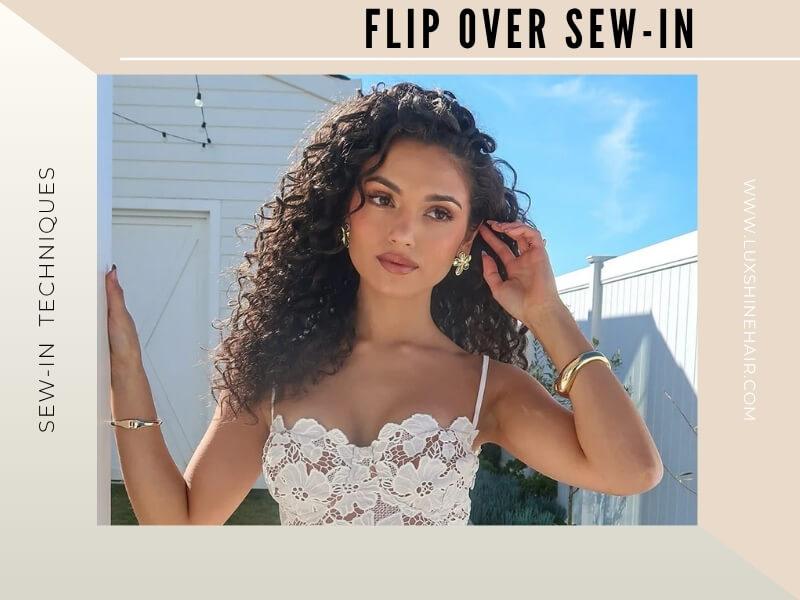
This technique focuses on styling freedom.
How it works:
- Stitching is placed strategically
- Bangs or top layers can flip left or right
- No fixed parting
Clients who love changing their hairstyle weekly always request this method from me.
How To Sew In Weft Hair Extensions
This section explains how to sew in weft hair extensions using the bead method. After more than 20 years in the hair extension industry, I can confidently say this is one of the most trusted and widely used installation techniques in salons today, and it’s the method many Luxshine Hair salon partners recommend to their clients.
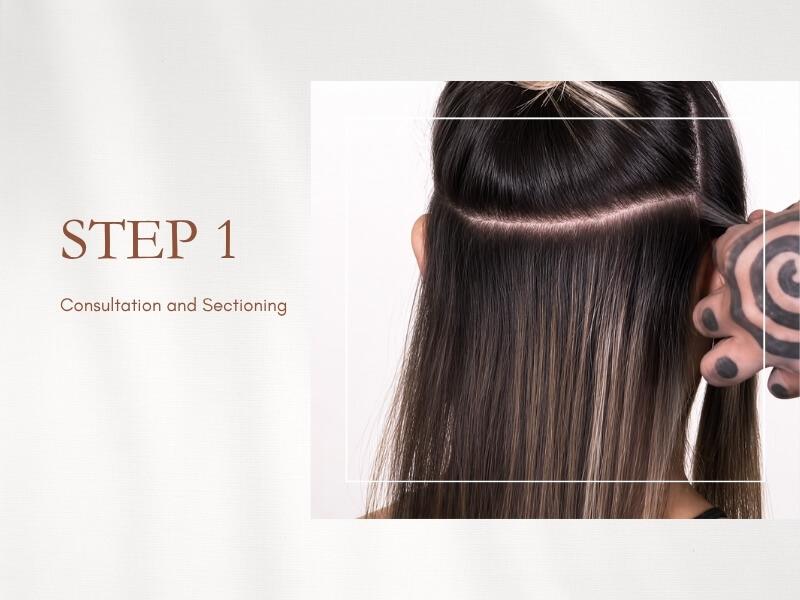
Step 1: Consultation and Sectioning
Always start with a consultation. Check scalp health, hair density, and growth patterns.
I say this to my trainees: great installs begin before the needle touches the hair.
Create clean horizontal partings where the wefts will sit.
Step 2: Bead Placement
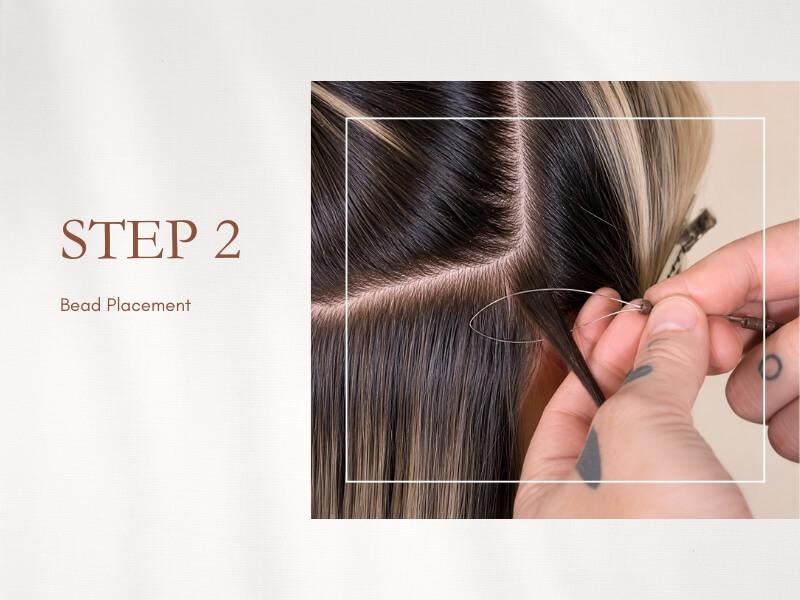
- Choose beads that match hair color
- Use a loop tool to pull natural hair through
- Place beads evenly across the row
Beads should sit flat without pulling.
This is the foundation of how to apply weft hair extensions with beads correctly.
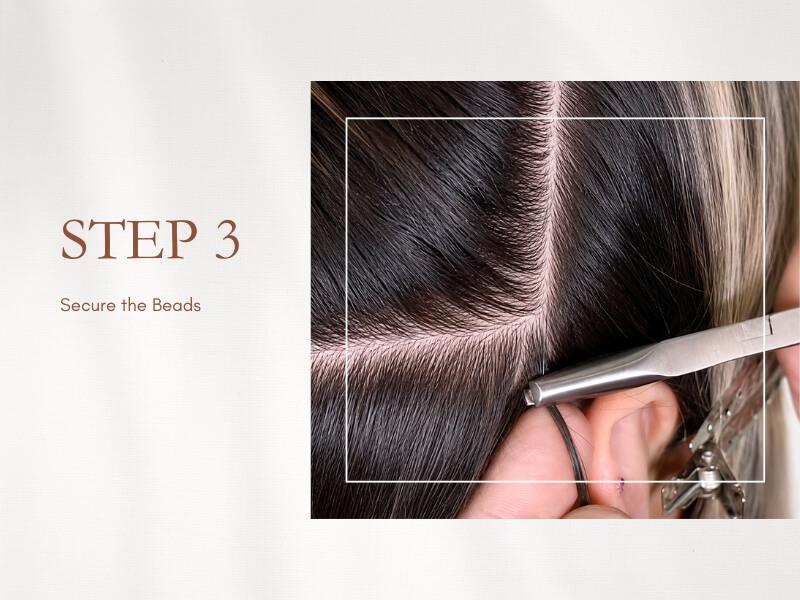
Step 3: Secure the Beads
Clamp beads gently using professional pliers.
Over-tightening beads is the fastest way to cause client discomfort.
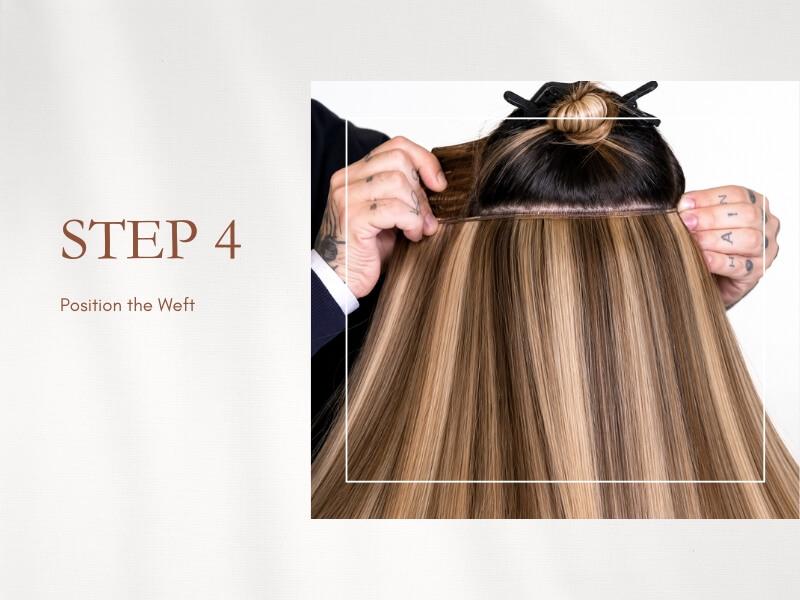
Step 4: Position the Weft
Lay the weft along the bead row.
- Do not stretch the weft
- Keep tension even
This step defines how natural the final result looks.
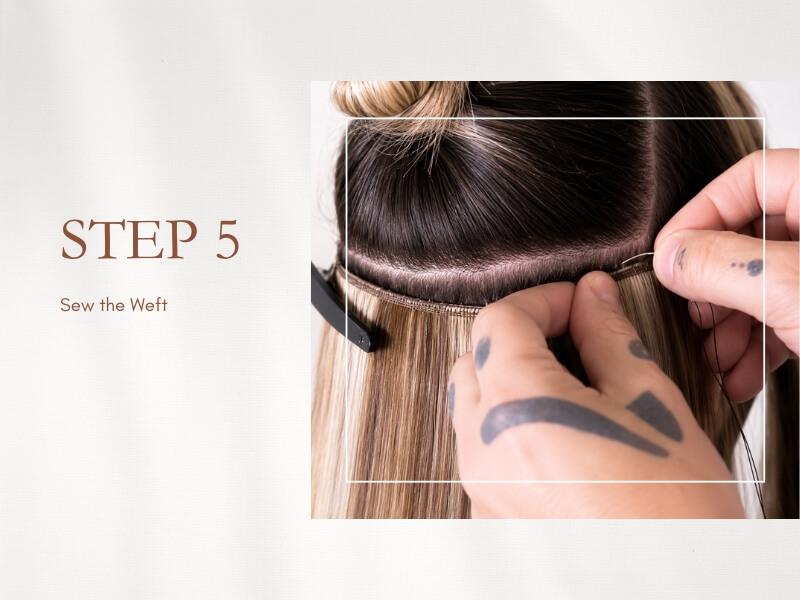
Step 5: Sew the Weft
- Use curved needle and extension thread
- Sew through the weft and around each bead
- Knot securely at the ends
This is the core step in how to install weft hair extensions.
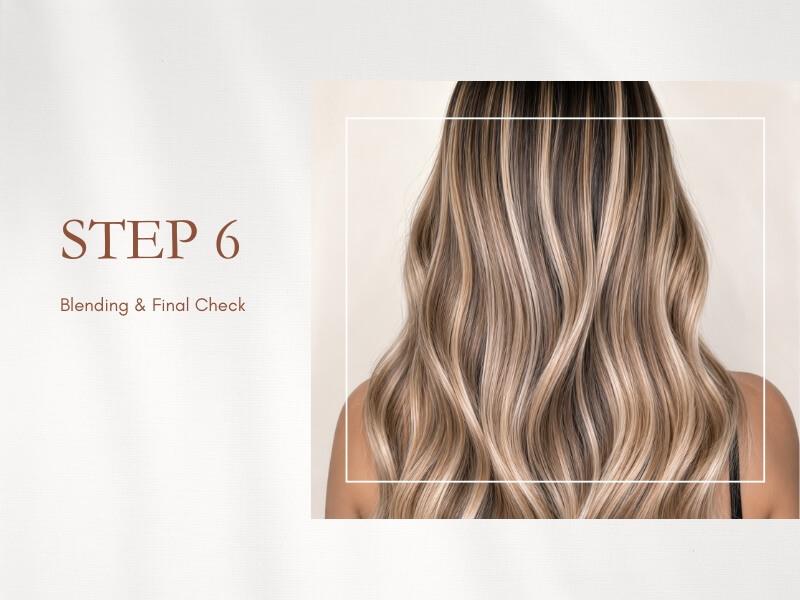
Step 6: Blending and Final Check
Release natural hair and blend layers.
I always check the install from multiple angles because clients live real lives, not mirror-perfect moments.
After many years, my team and I have developed a tip for advising clients:
- Fine hair benefits from invisible bead sew-ins.
- Medium hair works well with standard bead sew-ins.
- Thick hair can handle hybrid or cornrow methods.
Understanding this ensures success with how to sew in weft hair extensions across all clients.
Aftercare Tips for Sew-In Weft Extensions
Proper care is essential.
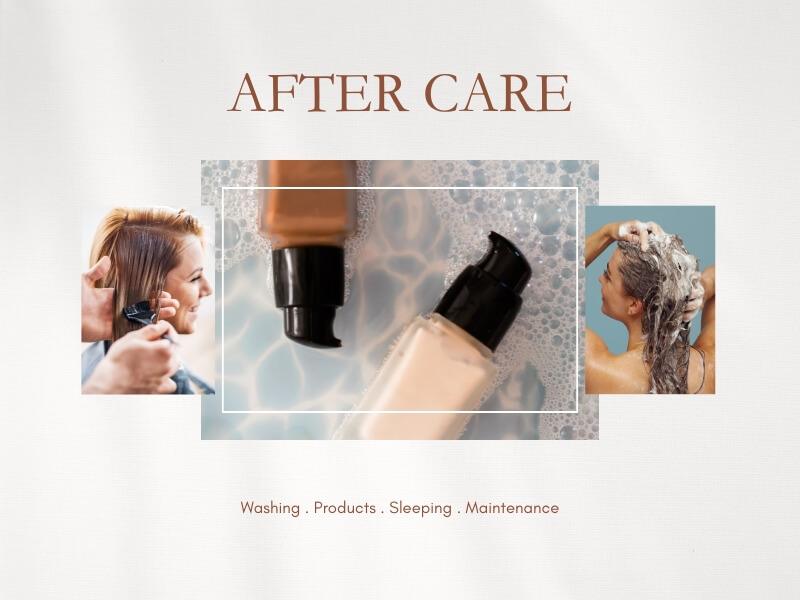
- Washing: Wash 1 to 2 times per week, use sulfate-free shampoo
- Products: Use a lightweight leave-in conditioner. Avoid heavy oils near beads or threads
- Sleeping: Braid hair loosely at night. Use a silk or satin pillowcase
- Maintenance: Remove and reinstall when necessary. Adjust beads every 6 to 8 weeks
Aftercare determines whether an install lasts six weeks or three months.
A stylist’s quick reminder: Sleeping with extensions can be a nightmare if you don’t do it right. I highly recommend checking out our ultimate guide on how to take care of a sew-in weave at night to wake up with zero tangles and zero stress.
Common Mistakes to Avoid
- Sewing too tight
- Uneven bead spacing
- Ignoring hair growth patterns
- Skipping maintenance appointments
Avoiding these mistakes improves every sew-in maintenance result.
Why technique matter more than hair alone? Even premium hair can fail with poor installation. I have seen average hair look luxurious because the sew-in technique was flawless. That is why professional knowledge of how to sew in weft hair extensions is critical for salons and wholesalers alike.
Final Thoughts
Mastering how to sew in weft hair extensions is not about memorizing steps. It is about understanding hair, tension, comfort, and longevity.
If you are a salon, distributor, or stylist looking for consistent, professional-grade weft hair, Luxshine Hair is proud to be a top Vietnamese hair manufacturer trusted worldwide.
Contact Luxshine Hair via /WhatsApp: (+1) 912-888-8386 for more information. Let us help you deliver installs that look natural, feel comfortable, and keep clients coming back.


 Vietnamese Hair Extensions
 Best Selling Products
 About us
 Contact Us
 Wholesale Hair Vendor
 Luxshine Hair Blog
2 thoughts on “How To Sew In Weft Hair Extensions: A Complete Professional Guide”
This tutorial on sewing in weft hair extensions is fantastic! I’ve been considering trying it out at home, and your step-by-step guide makes it seem so much more manageable. Do you have any additional tips for first-timers like me?
Thank you very much for your support. I will continuously update the latest knowledge to bring the best experience.