What Is Vietnamese Hair? A Plain Guide for Salon Buyers
A new client sits in your chair and asks for Vietnamese hair by name. Then you open a supplier’s price list and find “raw,” “virgin,” “Remy,” “SDD” and “A3+” side by side, with no explanation. When every bag makes the same promise, it’s hard to know what you’re actually choosing.
So here’s the short answer. Vietnamese hair is human hair collected from healthy donors in Vietnam. It’s strong, mostly straight and naturally dark, and it takes color well. We’re the team at Luxshine Hair, a Vietnamese hair vendor that has run its own factory since 2011. Below, we explain where the hair comes from, what the labels really mean, how it’s graded, how to check a bundle and how to care for it. We’ll also tell you where it falls short.
What Is Vietnamese Hair and Where Does It Come From?
Our hair comes from healthy donors in Vietnam who are fairly paid. How the hair is collected matters as much as where it comes from. Some hair is gathered loose and tangled, with strands pointing in every direction. Other hair is collected with the roots kept together, so every strand runs the same way. That difference comes down to the cuticle, the thin outer layer of each strand. When every cuticle points the same way, the hair stays smooth and is less likely to mat after washing.
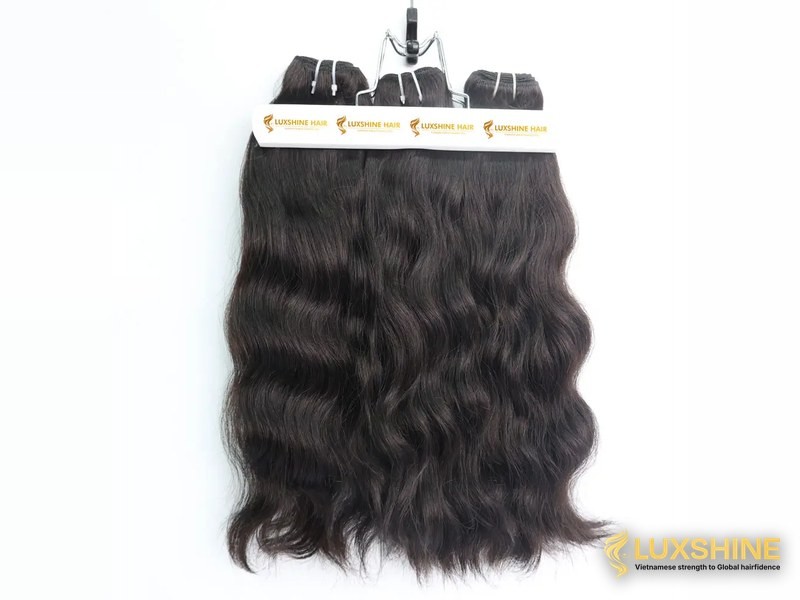
Hair from Vietnam has a strong reputation, and it’s often one of the first origins salon buyers ask about. But the country name alone doesn’t promise quality. What you get depends on how the hair is collected, checked and sorted after it’s cut.
What It Looks and Feels Like
Here’s what to expect from Vietnamese hair in its natural color.
| Trait | What you’ll notice |
|---|---|
| Texture | Mostly straight, with a slight wave when it air-dries |
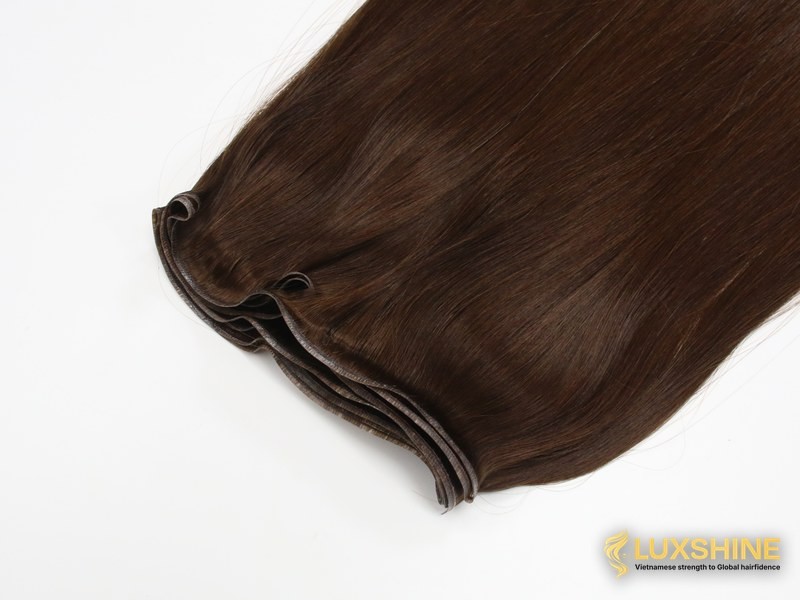
| Natural color | Natural black or natural brown, usually around #1B or lighter. Jet black #1 is a dyed shade, not a natural one |
| Strength | Strong strands that handle curling irons, flat irons and color well |
| Coloring | Takes darker or warmer shades easily; how far it can go lighter depends on the Hair Quality level |
| Lifespan | Up to 2 years with proper care |
Natural color also varies from region to region and from person to person, which is one reason careful sorting matters. Because the hair grows mostly straight, our team styles textures like body wavy, deep wavy and deep curly at the factory. If you need naturally wavy hair, we can supply it on special order. You can compare every pattern side by side on our hair texture chart.
Raw, Remy and Colored: What the Labels Mean
In the hair industry, almost every brand defines its terms a little differently, so the same word can mean very different things on two price lists. Here’s how we use each one, and what you can actually check.
| Label | What it means | What it tells you about quality |
|---|---|---|
| Human hair | The broadest term: any hair that comes from a person | Very little on its own |
| Raw hair | Hair as it’s first collected, before it’s sorted or graded. It can be Remy or non-Remy and comes in many natural colors | Very little until it’s been sorted |
| Non-Remy | Hair collected loose and tangled, with cuticles in mixed directions. It costs less and is often coated with silicone | Tangles and mats once the coating washes out |
| Virgin | In theory, hair that has never been chemically treated. In practice, sellers use it in very different ways | Hard to verify, even for experienced buyers |
| Remy | Every strand keeps its cuticle, and all cuticles run one way, root to tip. It can come from several donors and can be colored | Smooth one way, slightly rough the other way, and you can test it yourself |
| Colored Remy | Remy hair lightened and toned at the factory | A shade code such as #60 Ash, #613 or #613Q |
Two of these words cause the most confusion. Sellers rarely write “non-Remy” on a label. Cheaper hair is more often sold as “human hair,” “raw hair” or even “virgin.” And “virgin” itself is one of the most misunderstood words in the industry. Some sellers use it for any raw hair, some for any undyed hair and some for hair they’ve bleached once. Others call black hair virgin even though it has already been processed. Real virgin hair exists in far smaller amounts than Remy, it’s hard to verify and it sells at a high price, so it’s easy to pay a premium for hair that doesn’t deserve it.
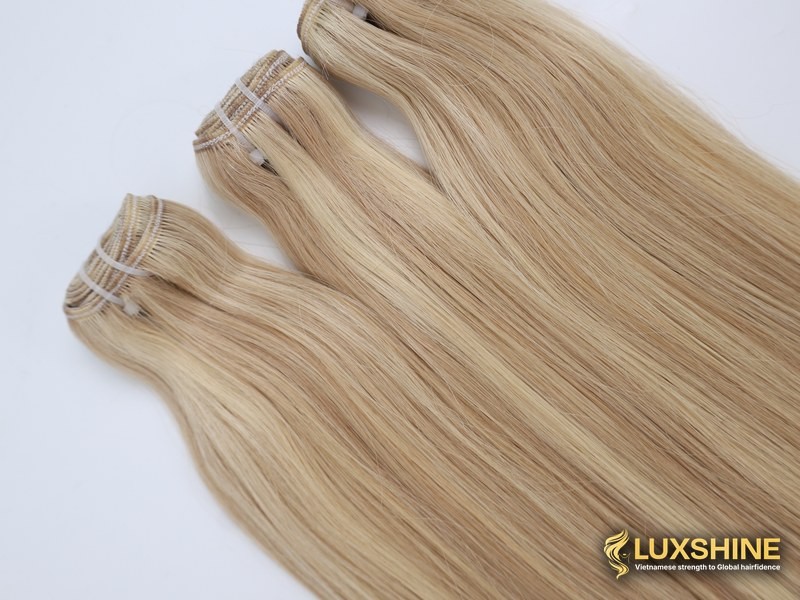
That’s why Remy is the only label we use. It’s hard to fake, it’s hard to misunderstand and you can check it in your own salon. Every bundle we sell is 100% Vietnamese Remy human hair, whether it’s in a natural shade or colored at our factory. We don’t recommend recoloring hair that has already been colored.
If you plan to do your own color work, start with bulk Remy hair in natural shades from our raw Vietnamese hair page, in the Hair Quality level your color needs. For more on the cuticle, read our guide on what you should know about Remy hair. And if a supplier uses the word “virgin,” here’s how raw hair differs from virgin hair.
Does Vietnamese Hair Have Grades? Quality and Fullness Explained
Yes, but the names change from one supplier to the next. That’s why “10A,” “12A” and “SDD” can mean different things on different price lists. We use two scales, and our codes combine them, for example MSA2+ or LA2+.
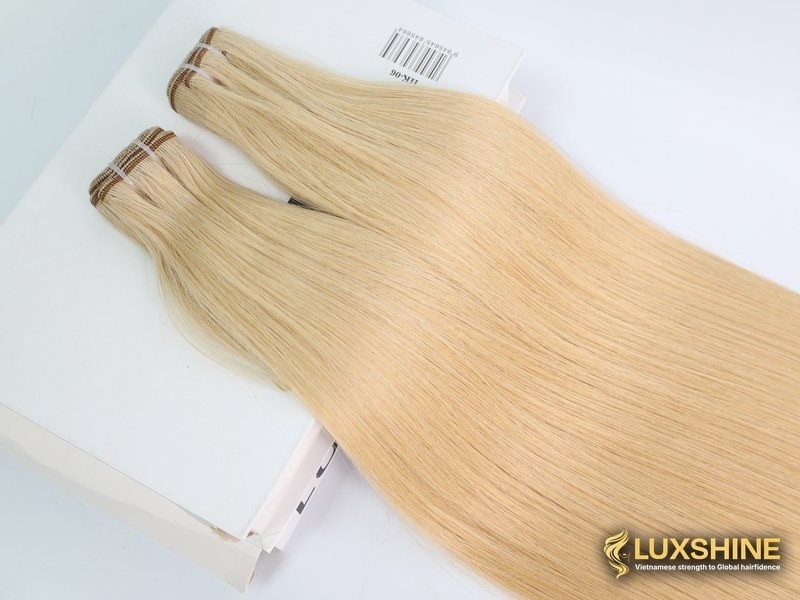
The first scale is Hair Quality: MS (Medium Standard), L (Luxury) and PL (Premium Luxury). All three are high-quality Remy hair, and the levels aren’t a ranking from good to bad. They tell you how far the hair can go with color:
| Hair Quality | Color processing |
|---|---|
| MS | Best kept in its original color |
| L | Can be colored and lightened up to #60 or 60C |
| PL | Can be lightened up to platinum blonde (PLA01) |
For salons that are used to non-Remy hair, MS is already a big step up, and it’s a smart choice for clients who keep their natural shade. L and PL give you room for lighter color work.
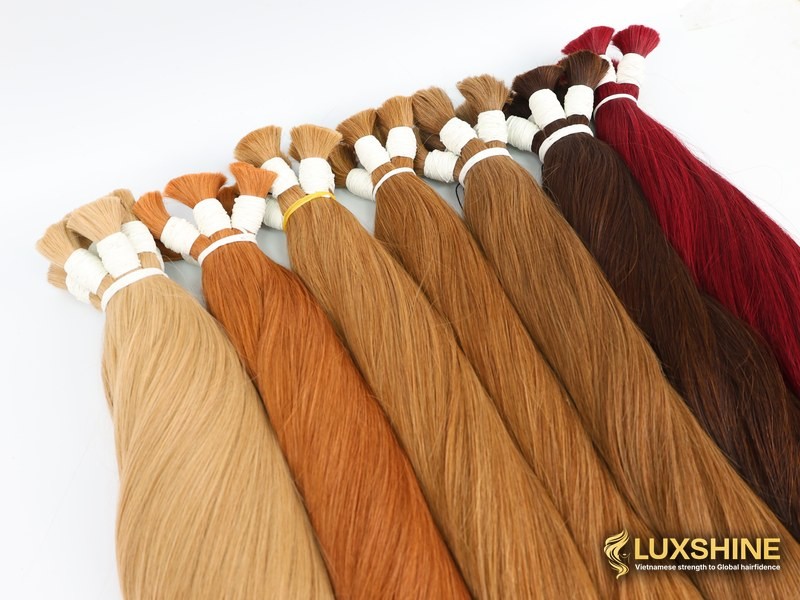
The second scale is Hair Standard. It describes end fullness: how much of the bundle keeps its thickness down to the ends. “Drawn” describes how many short strands are left in a bundle. The higher the number, the fewer short strands and the blunter the ends.
| Hair Standard | Also called | What you see | A good fit for |
|---|---|---|---|
| A+ | Single drawn | Thick at the top, thinner toward the ends | Natural looks at a lower cost |
| A2+ | Double drawn | Fewer short strands, thicker ends | Most installs; you often need less hair for a full look |
| A3+ | Super double drawn | Almost every strand is the same length | Clients who want full, blunt ends |
| A4+ | Super super double drawn | Even fewer short strands than A3+ | Your fullest, most even orders |
Single drawn hair isn’t the right choice if your client wants heavy, blunt ends. Our double drawn hair page shows each level in more detail. Standard lengths run from 8 to 30 inches, and we can make hair up to 36 inches on request.
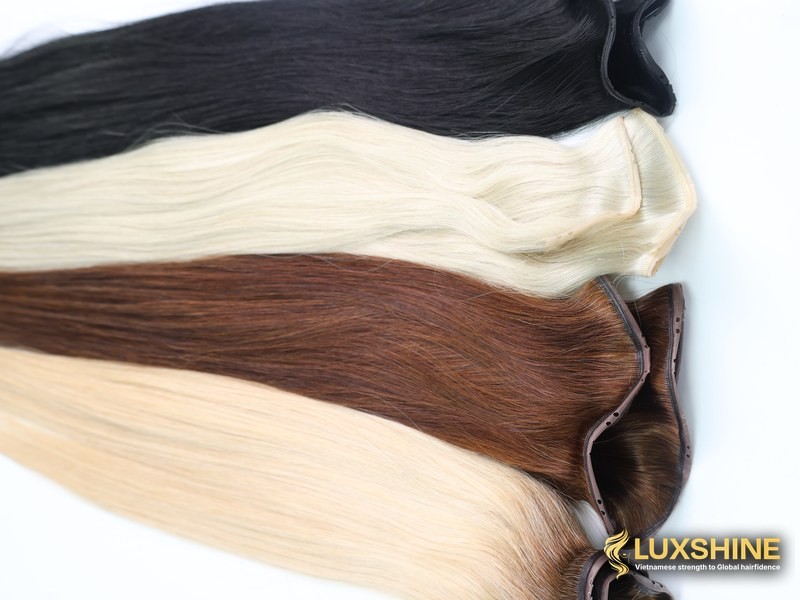
With two scales, more than 200 colors and many methods to choose from, you don’t need to work out the right combination alone. Tell your account manager how your client wears and colors their hair, whether you’ll lighten it yourself or want it pre-lightened and what your budget looks like, and they’ll recommend the specs that fit.
Is Vietnamese Hair Good for Salon Work?
Yes, when it’s Remy and sorted well. Vietnamese hair has a reputation for being thick and strong. When the cuticle is kept, it stays smooth and handles heat and color better than hair that has been stripped. With proper care, it can last up to 2 years.
But the origin is only half the story. Badly sorted bundles can be full at the top and thin at the ends, even when the hair itself is good. Hair with stripped or mixed cuticles can look great on day one and tired by week three. And two Remy bundles can still differ in how glossy they are, how evenly they take color and how many reddish or damaged strands slip through. So when a client asks “is Vietnamese hair good?” the most useful answer is this: the hair is a strong starting point, and the supplier’s sorting decides the rest. If someone offers Vietnamese Remy hair at a price that seems too low, take a closer look.
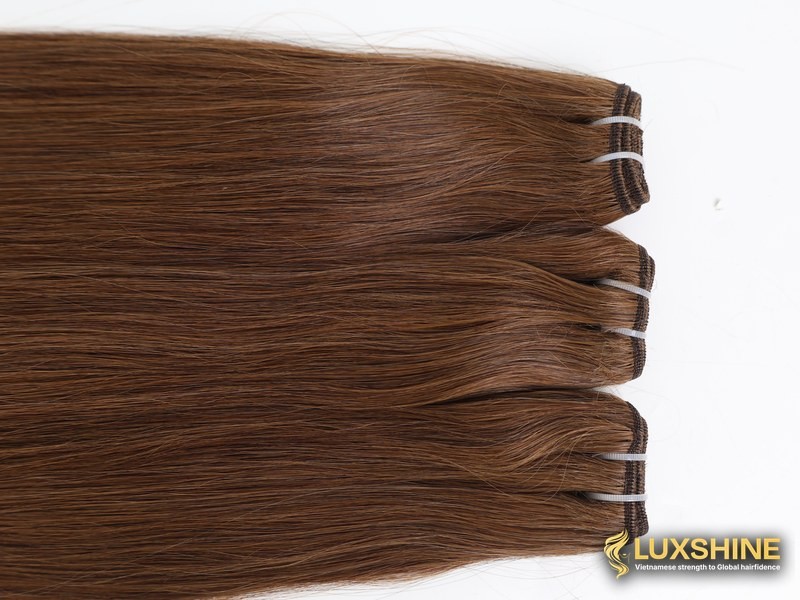
It also isn’t the right hair for every client. Because it grows mostly straight, curly textures are styled at the factory unless you order naturally wavy hair. And going from a natural shade to a light blonde always means lightening, so choose the right Hair Quality level and plan the color work with a test strand first.
How It Compares With Chinese, Indian, Cambodian and Brazilian Hair
Buyers often ask us to rank origins, and we should be upfront: we make Vietnamese hair, so we’re not a neutral judge. Every origin has good suppliers and poor ones. A bundle sold as Chinese, Indian, Cambodian or Brazilian can be excellent or disappointing, and so can a bundle sold as Vietnamese.
What matters more than the country on the label is the same short list for every origin. Is it really Remy, with the cuticle kept and running one way? Has the hair been chemically treated, and does the seller tell you honestly? Do the ends stay full after washing? We build everything on Vietnamese Remy hair because its strength and natural color give salons a reliable base, and because Remy is something you can check yourself. If you’d like to see how the origins differ in texture and color, our side-by-side guides on Vietnamese vs Chinese hair and Vietnamese vs Indian hair cover the details. Then test samples from both before you decide.
How to Check a Bundle in Your Salon
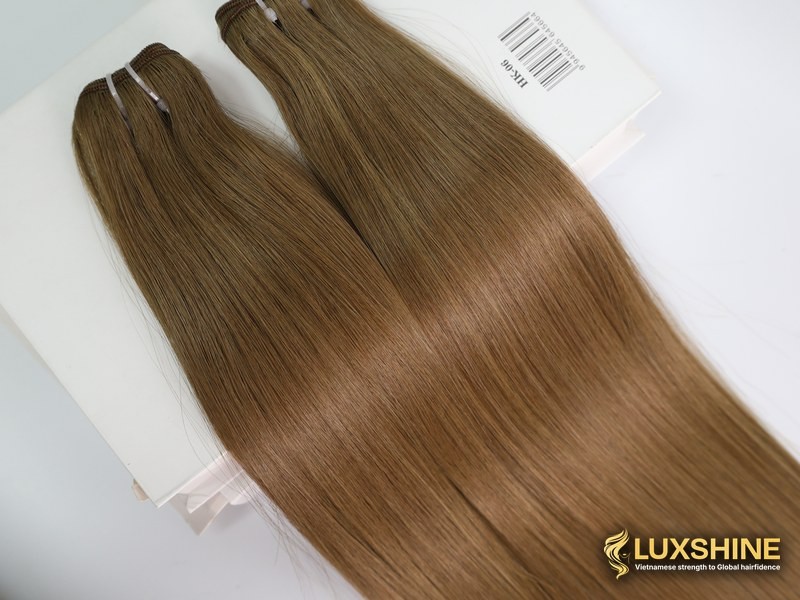
Whether you buy from us or from someone else, test a sample before a big order. Here are four checks you can do in your own salon.
Feel the Cuticle Direction
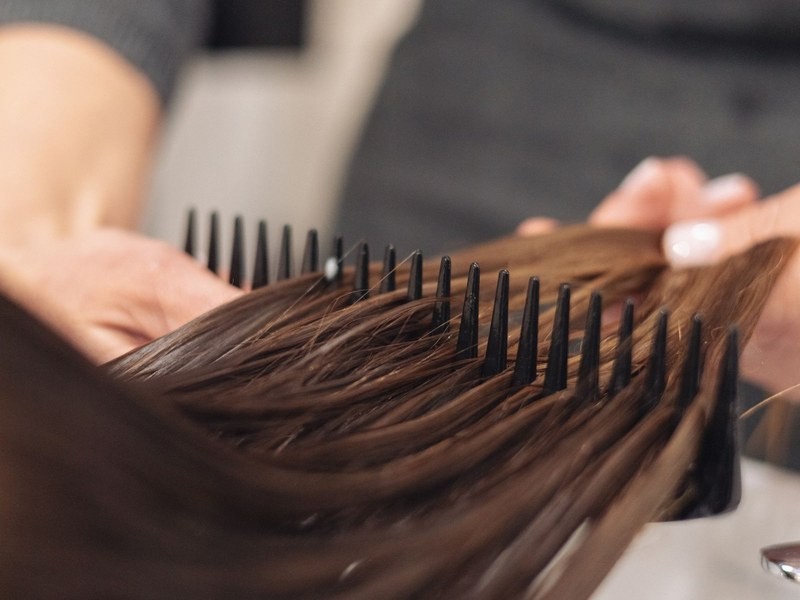
Pinch a few strands near the ends and move your fingers up toward the elastic. With the cuticle kept, the hair grips a little going up and glides coming down. A bundle that feels just as slick in both directions has likely lost its cuticle, or carries a silicone coat that will wash out.
Burn Two or Three Strands
Hold two or three strands over a flame for a second, away from the bundle. Human hair shrinks back, leaves a fine ash and smells like burnt protein. A plastic smell or a hard bead at the tip means synthetic fiber has been mixed in.
Look at Shine, Color and Stray Strands
Hold the bundle under daylight. Check how smooth and glossy it is, whether the color is even from root to tip and how many reddish or damaged strands are mixed in. A well-sorted bundle has very few.
Wash, Dry and Color One Strand
Treat the sample the way your client will: wash and dry it two or three times. Well-sorted Vietnamese hair comes out soft, with its shine, pattern and fullness intact. Then test your usual color formula on one strand, not the whole bundle. The result tells you how the full order will behave.
Test our hair in your own salon before you order in volume. Samples are paid, which keeps the hair we send to the same standard as a full order.
How We Check Every Batch at Our Factory
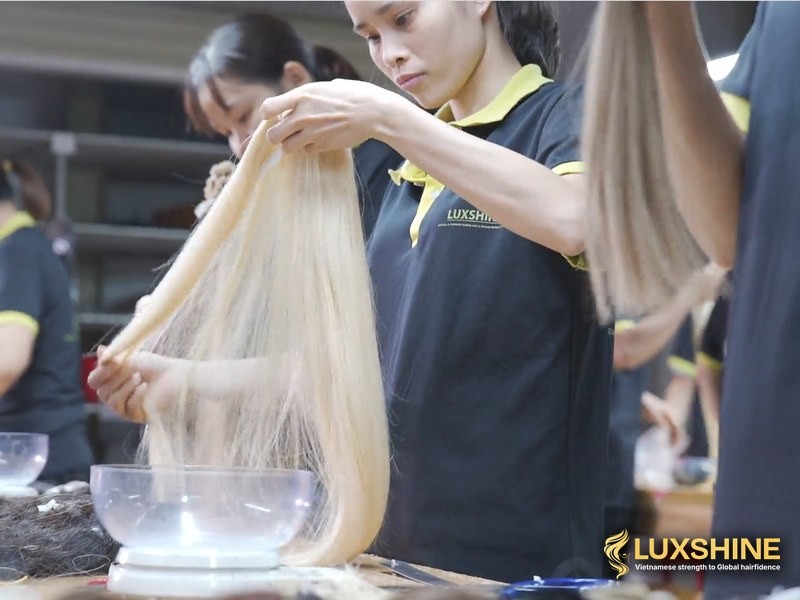
This is the part a label can’t show you. Hair arrives at our Vietnam hair factory in Nam Dinh province as raw hair. Our team removes gray, reddish and damaged strands, lines up the roots so every strand runs the same way and hand-sorts the hair by length, so short strands don’t slip into a bundle and thin out the ends.
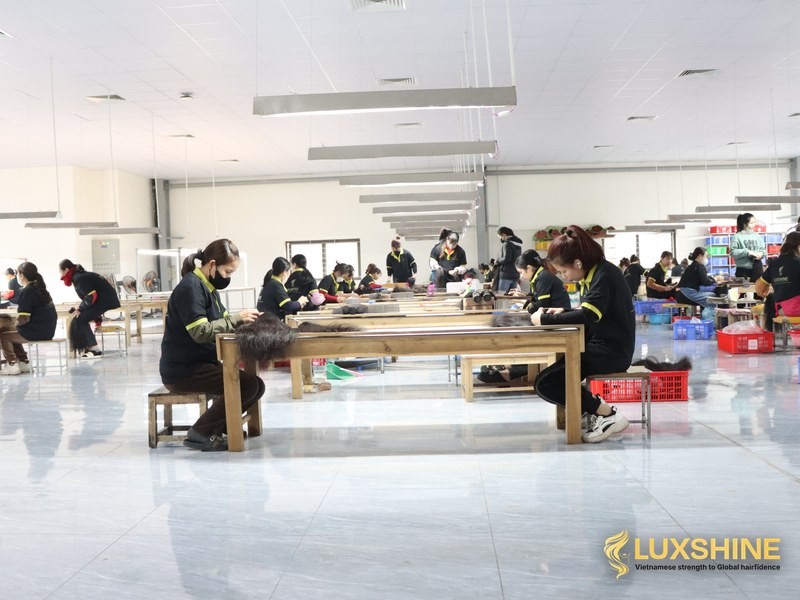
Every order goes through a 5-stage quality inspection before it leaves the factory, and we check that your bulk order matches the sample you approved. Before shipping, we can send you photos or a short video of your actual order. Our hair ships from Vietnam with DHL, FedEx or UPS, with tracking, and your account manager confirms the timeline for each order before you pay. If you’re new to buying overseas, our importing guide walks you through the steps, and our wholesale hair vendors page explains samples, MOQ (minimum order quantity) and payment.
Have a client order in mind right now? Send us the specs and your account manager will suggest the quality, standard and length before you order.
How to Care for Vietnamese Hair: What to Tell Your Clients
With proper care, Vietnamese hair lasts up to 2 years, and most of that care happens at home. So the talk you give after an install matters almost as much as the install itself.
Tell your client to wash gently and use a good conditioner, because a smooth cuticle is what keeps the hair from matting. Ask them to keep heat low when styling, since heat dries the ends over time. In the salon, the same rule applies to color: if the bundles were already colored at our factory, don’t recolor them. Order the shade you need instead.
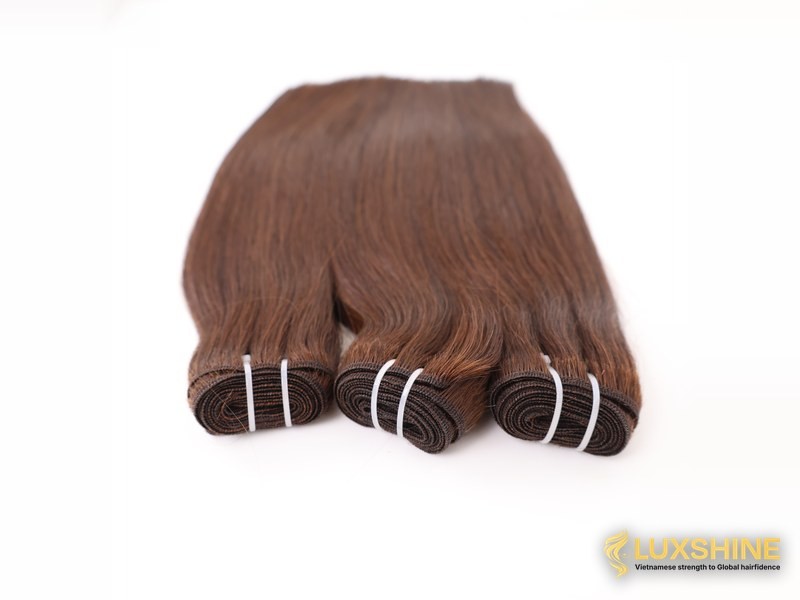
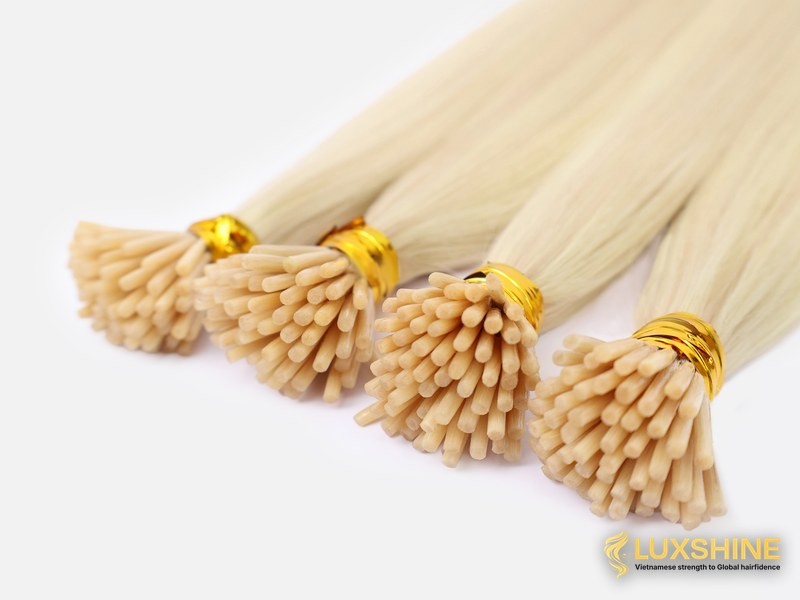
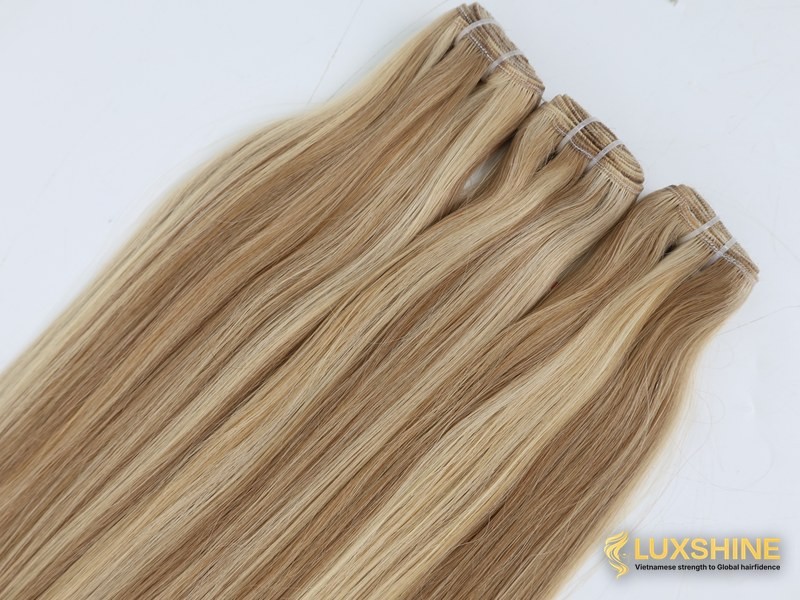
Each method also has its own aftercare. If you install tape in hair extensions or weft hair extensions, add the steps for that method to your client’s care list.
Vietnamese Hair FAQ
What Is SDD Vietnamese Hair?
SDD means super double drawn. In our naming, that’s Hair Standard A3+. Almost every strand in the bundle is the same length, so it looks full from top to bottom.
Is Vietnamese Hair Real Human Hair?
Genuine Vietnamese hair is 100% human hair, but not every bag labeled that way is. Ours is 100% Vietnamese Remy human hair from healthy donors. If you’re ever unsure about a bundle, the burn test above shows synthetic fiber in seconds.
Is Raw Vietnamese Hair the Same as Virgin Hair?
Not quite. Raw hair is hair as it’s first collected, before sorting, and it can include Remy and non-Remy hair. Virgin hair should mean hair that has never been chemically treated, but sellers use the word loosely, so it’s hard to know what you’re getting. Rather than rely on either label, ask whether the hair is Remy, how it was sorted and whether it has been colored. That’s why we sell only Remy, which you can test yourself.
Can You Dye or Bleach Vietnamese Hair?
Yes. Hair in a natural shade is easiest to work with when you go darker or warmer. How far you can go lighter depends on the Hair Quality level: we recommend keeping MS in its original color, L can be lightened up to #60 or 60C and PL can go all the way to platinum blonde (PLA01). For big changes, work with an experienced colorist and test one strand first.
Does Vietnamese Hair Tangle?
Well-sorted Vietnamese Remy hair tangles very little, because its cuticles run in one direction. If a bundle tangles straight out of the package, take that as a warning sign. After the install, gentle brushing and a good conditioner at home keep it smooth.
How Long Does Vietnamese Hair Last?
With proper care, up to 2 years. For our bulk hair, plan on 1 to 2 years. Gentle washing, a good conditioner and less heat help the hair reach the longer end of that range.
How Much Is Vietnamese Hair?
The price depends on method, length, Hair Quality, Hair Standard and color, so we quote each order on what you need. Because we make the hair ourselves, our prices are factory-direct, and the more you order, the deeper the discount. Your account manager can also suggest specs that fit both your client and your budget.
Get a Vietnamese Hair Quote From Luxshine Hair
Now you know what Vietnamese hair is, what the labels really mean and how to check a bundle. The next step is to test it on your clients. Tell us the lengths, colors, quality and standard you need, or just describe your client, and your account manager will reply with pricing and a sample plan that fits your salon. You can request a quote online or message our team on WhatsApp at +1 912-888-8386.