
If you’ve ever felt like your hair dries out too quickly, gets frizzy even after conditioning, tangles easily, or breaks more than you’d like, you might have high porosity hair. Many people struggle with keeping their strands healthy because high porosity hair absorbs moisture quickly but struggles to retain it. In this comprehensive guide, we’ll walk you through exactly what is high porosity hair, how to know if you have it, how to care for high porosity hair, and answer common questions. By the end, you’ll have a clear, step-by-step routine to help your hair stay moisturized, strong, and beautiful.
What is High Porosity Hair?
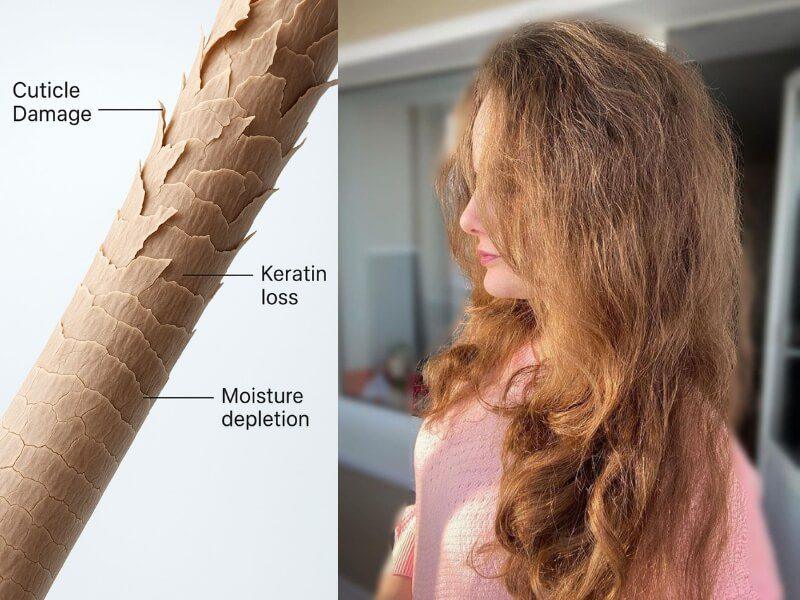
Hair porosity refers to how well your hair absorbs and retains moisture. It’s determined by the structure of the outermost layer of hair – the cuticle. If your hair has high porosity, the cuticle layer is raised or damaged, which allows moisture, oils, and products to enter easily but also escape just as quickly.
Characteristics
- You might have high porosity hair if your hair:
- Looks and feels dry even shortly after washing.
- Tangles easily and is prone to breakage.
- Dries very quickly after washing.
- Lacks shine or looks dull.
- Absorbs products (shampoos, conditioners, treatments) quickly but also loses moisture rapidly.
- It is frizzy, especially in humid weather.
Causes of High Porosity Hair
While some people are naturally born with high porosity hair (genetics plays a role), there are several external factors that can increase hair porosity over time. Here are common causes:
- Chemical treatments: Dyeing, bleaching, relaxing, perming. These treatments can lift or damage the cuticle layer, leading to increased porosity.
- Heat styling: Frequent use of blow dryers, flat irons, curling irons without proper protection can damage the hair shaft and open the cuticles.
- Environmental stressors: Prolonged exposure to UV light (sun), harsh weather, and pollution can wear down the hair cuticle over time.
- Lack of proper hair care: Using drying shampoos (e.g. with sulfates), over-washing, or skipping conditioning can accelerate moisture loss and weaken cuticles.
How to Test for Hair Porosity?
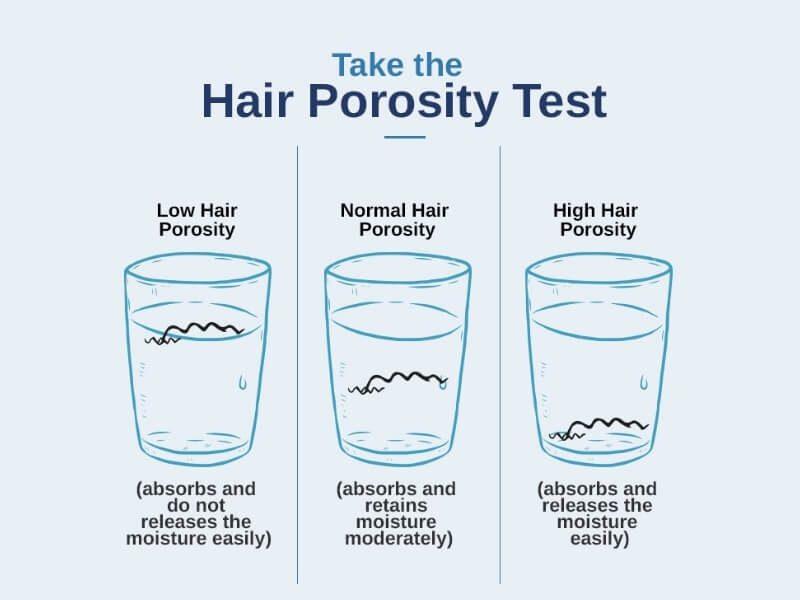
Testing your hair’s porosity is simple and can be done at home with just a strand of hair and a glass of water.
Float (Water) Test
1. Collect a few strands of hair (shed naturally, not pulled).
2. Fill a clear glass or bowl with water.
3. Drop the hair strands into the water and observe:
- If the strand sinks quickly, you likely have high porosity hair.
- If it floats for a while before sinking – medium porosity.
- If it floats for a long time – low porosity.
Slide Test (Optional)
Take a clean, dry strand of hair. Run your fingers gently from ends to roots. If the hair feels rough, “bumpy,” or has raised cuticle ridges, that may indicate high porosity.
These simple tests can help you determine whether your hair is high porosity, which is a good first step before you start a tailored care routine.
Tips for Caring for High Porosity Hair
Caring for high porosity hair mostly revolves around moisture: giving your hair hydration and, crucially, helping it retain that moisture. Below are 11 effective tips on how to care for high porosity hair that Luxshine Hair really likes, each explained in detail.
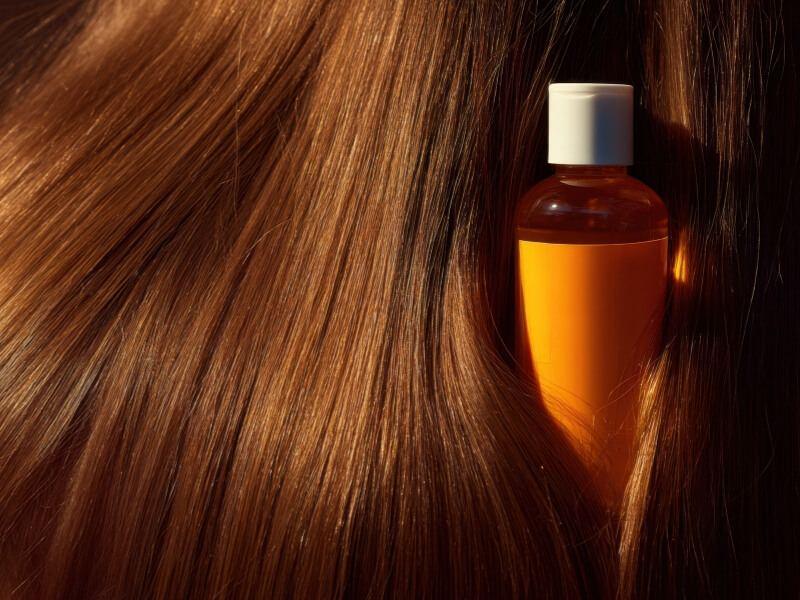
Use Moisture-Rich & Hydrating Products
High porosity hair tends to be “thirsty”. It soaks up moisture and products quickly, but also loses them fast.
- Choose shampoos, conditioners, leave-ins, and treatments labeled “moisturizing”, “hydrating”, “nourishing” or similar.
- Look for heavier ingredients such as oils (e.g. coconut, argan), butters (like shea), or creamy formulas that add more moisture.
This ensures your hair receives enough hydration to counteract its tendency to lose moisture.
Follow with Conditioner (Always)
Never skip conditioner because this is especially important for high porosity hair. The cuticles are often damaged or raised, so you need conditioning to help smooth and soften them.
- After shampoo, use a deeply hydrating conditioner.
- For even more hydration, consider a leave-in conditioner. It adds an extra barrier to help lock in moisture.

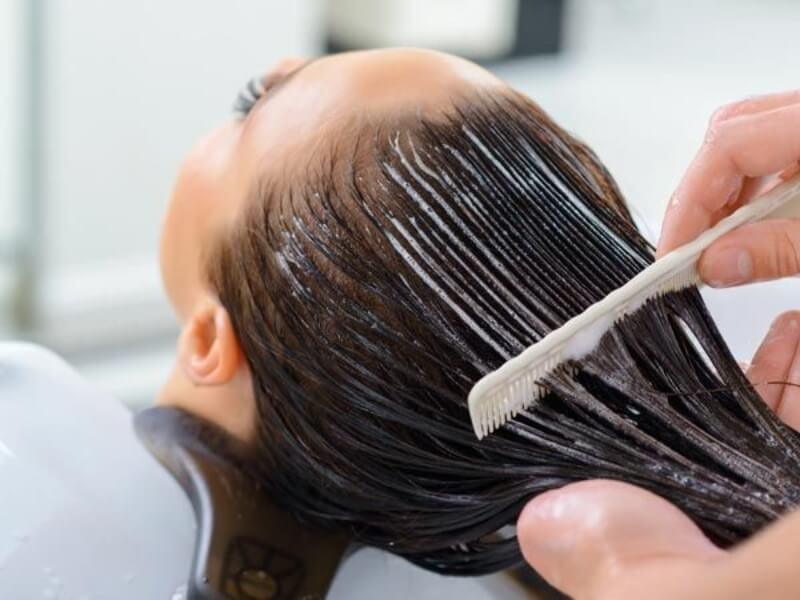
Deep Condition Regularly
Regular deep conditioning is one of the most effective ways to care for high porosity hair.
- Aim for weekly deep-conditioning treatments (or at least every 7–10 days) to replenish moisture and restore softness.
- Choose deep conditioners or hair masks that are hydrating, ideally with proteins to help strengthen and rebuild the cuticle.
This helps fill in gaps or damage in the cuticle layer and improves hair elasticity and strength.
Seal Moisture with Oils or Butters
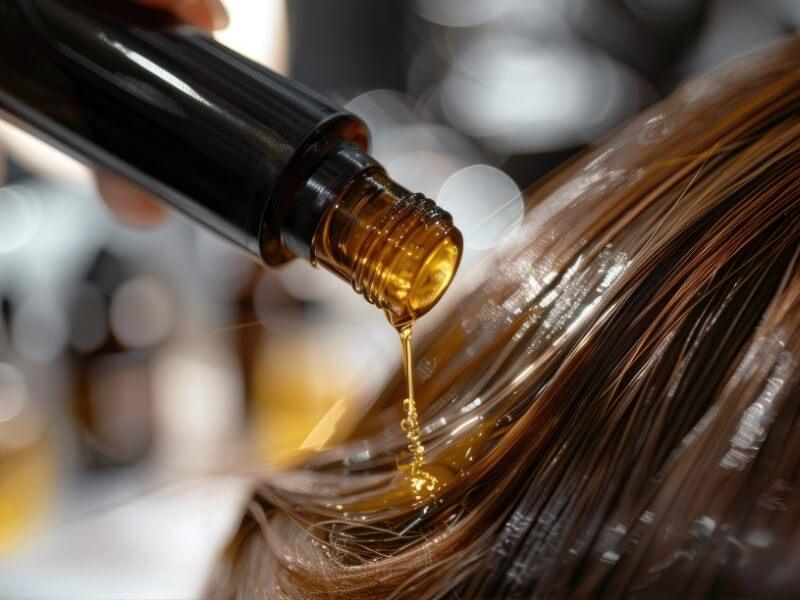
Because high porosity hair can’t hold onto moisture well, sealing in that moisture is vital.
- After moisturizing or conditioning (on damp hair), apply a light oil argan, jojoba, coconut) or a butter (shea) to seal in hydration.
- The sealing step helps lock in hydration and slows down moisture loss, keeping hair softer, more manageable, and less frizzy.
Use a Multi-Step Routine (Layering)
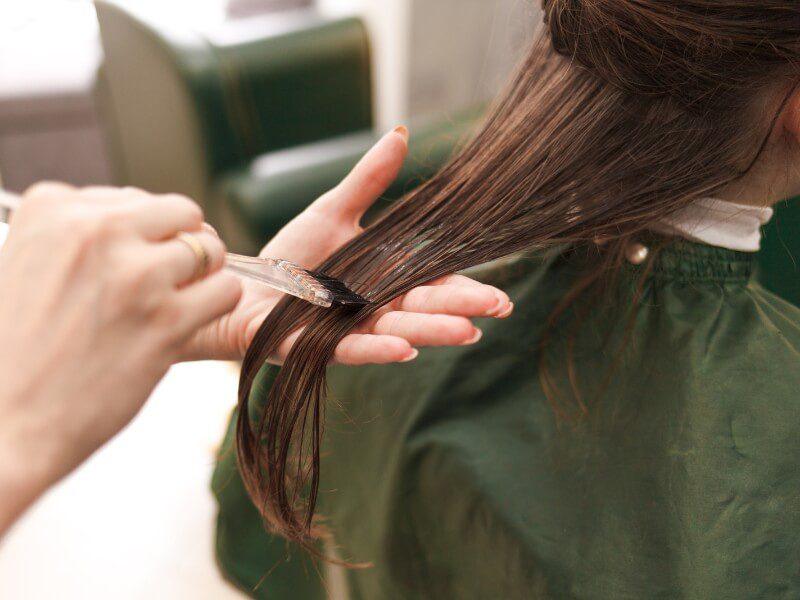
For high porosity hair, often one single product is not enough. A multi-step routine – layering several products can help maximize moisture retention and manageability.
A common layering method is the LOC method (Liquid/ Leave-in → Oil → Cream) or LCO (Liquid → Cream → Oil) depending on hair needs.
- Start with a water-based leave-in conditioner or water mist.
- Then apply a light oil to seal.
- Finally, use a cream or butter for additional moisture and hold.
This layered approach helps trap moisture inside the hair shaft, reduce frizz, and improve softness.
Avoid Over-Washing – Don’t Shampoo Too Often
Frequent shampooing can strip natural oils from hair and make dryness worse. For high porosity hair, less frequent washing helps preserve moisture.
- On average, washing once or twice per week is sufficient.
- Between washes, you can refresh hair using water spray and light leave-in or moisturizer rather than full washes.
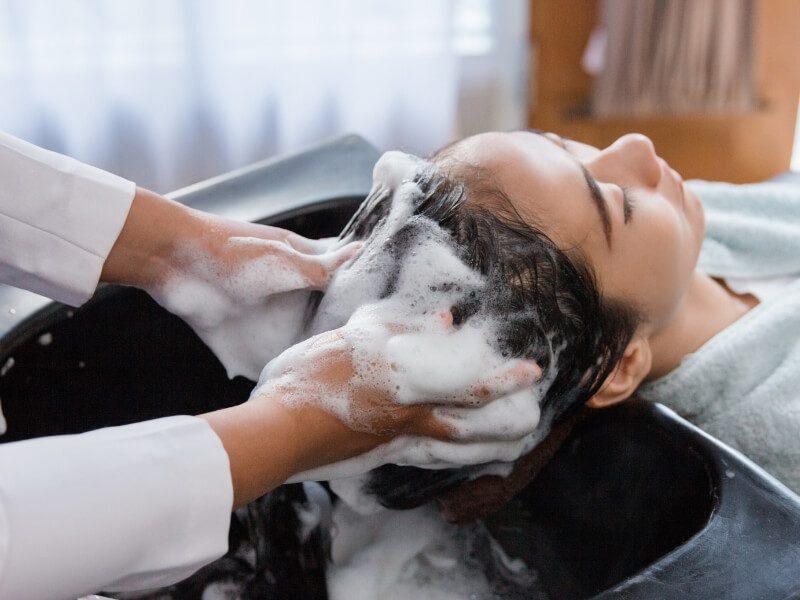
Skip Sulfates, High-Alcohol Sprays, and Harsh Clarifiers
Harsh shampoos containing sulfates or products with high alcohol can strip hair of moisture and further lift or damage cuticles.
- Opt for sulfate-free shampoos to maintain hair’s natural oils and moisture balance.
- Avoid clarifying shampoos or drying sprays that may strip moisture away or cause cuticle damage.
To maintain your hair’s natural moisture balance, prioritizing shampoos without Sodium Lauryl Sulfate is key—it’s an excellent way to ensure your strands stay hydrated.
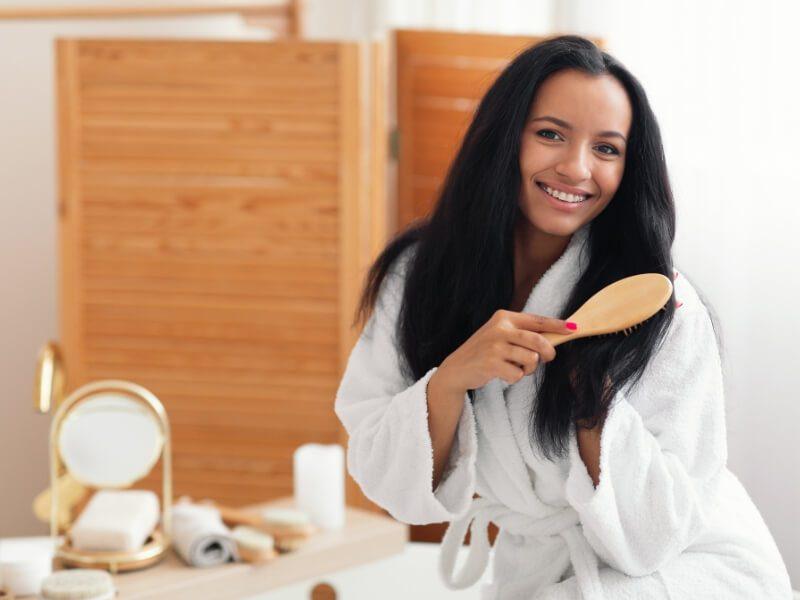
Use Detangler and Detangle Gently
Because high porosity hair tangles easily and is prone to breakage, detangling must be done carefully.
- Use a good detangler or a leave-in product to help ease tangles.
- Detangle from the bottom (ends) upward toward the roots. This reduces tension and prevents breakage.
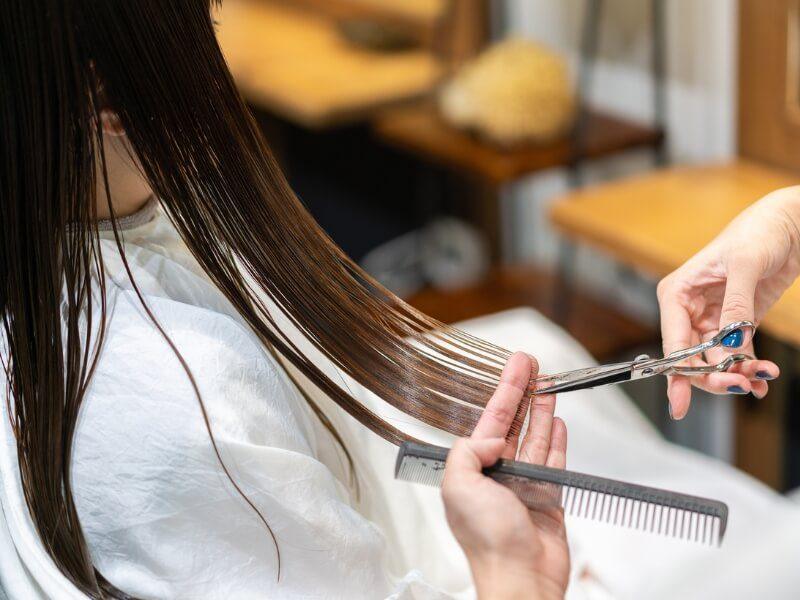
Get Regular Trims
Split ends and breakage are common for high porosity hair and trimming can help keep hair healthy.
Aim for a half-inch trim every 4–6 weeks to remove damaged ends, reduce breakage, and encourage healthier growth.
Be Gentle with Styling – Avoid Tight Styles and Heat Damage
High porosity hair is more vulnerable to styling damage, so treat it gently.
- Avoid tight hairstyles (tight ponytails, buns) that pull on hair and cause stress/breakage.
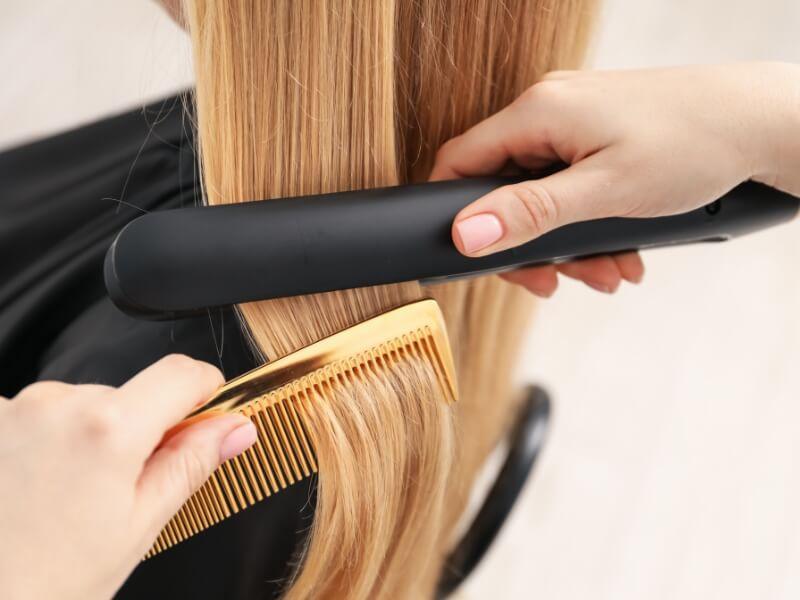
- Minimize heat styling (blow-dryers, straighteners, curling irons). If you must use heat, always use a heat protectant and keep the temperature low.
- Protect hair from UV exposure, harsh weather, and excessive friction. If you’re often outdoors, consider wearing a hat or scarf.
Sleep on Silk or Satin – Use Gentle Bedding
Friction from cotton pillowcases or rough towels can strip moisture and rough up the cuticle, increasing frizz and breakage.
- Use a silk or satin pillowcase (or bonnet/ scarf) to minimize friction while you sleep.
- Use a soft towel (or a cotton T-shirt) to gently blot dry hair instead of vigorously rubbing with a terry cloth. This reduces cuticle damage and helps retain moisture.

FAQs about How to Care for High Porosity Hair
How Often Should I Wash High Porosity Hair?
For most people with high porosity hair, washing once or twice per week is enough. Washing too frequently can strip natural oils and aggravate dryness.
Between washes, you can refresh your hair by lightly misting with water and using a leave-in conditioner or moisturizer instead of a full shampoo.
Can I Color Or Bleach High Porosity Hair?
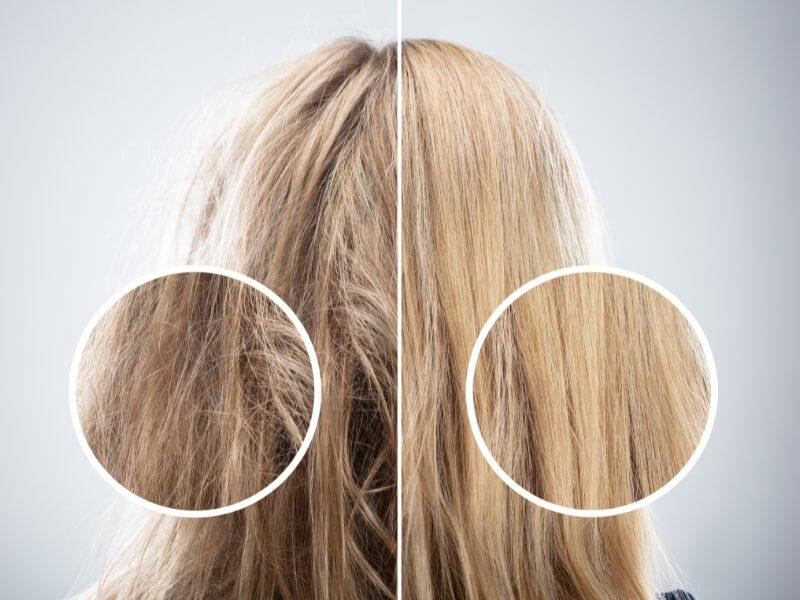
Technically, yes. But you should be very cautious. High porosity hair is already prone to dryness, breakage, and cuticle damage. Chemical treatments like coloring or bleaching can further lift or damage cuticles, making hair even more porous and fragile.
If you color or bleach:
- Use gentle, low-damage formulas.
- Follow up with intensive moisturizing, deep conditioning, and sealing routines.
- Avoid frequent coloring/bleaching; treat your hair gently.
What Protective Styles Work Best For High Porosity Hair?
Protective, low-stress styles that minimize manipulation and friction are best. For example:
- Loose braids or twists (not too tight)
- Loose buns or low ponytails (avoiding tight elastics)
- Protective styles that reduce heat exposure and minimize friction (especially at night, using a silk/satin bonnet or pillowcase)
Avoid tight styles that pull on hair or cause tension, as this can lead to breakage.
Does High Porosity Hair Grow Slower?
High porosity hair does not necessarily grow slower at the root but because the strands are more prone to breakage and split ends, you may lose length more easily. That makes it feel like hair growth is “slower.”
With proper care such as trimming regularly, keeping hair moisturized, sealing moisture, and avoiding damage, you can support healthy growth and maintain length over time.
Conclusion
The steps on how to care for high porosity hair take time, patience, and consistency but the results are worth it. By understanding what is high porosity hair, testing your hair porosity, and following a hydration-focused, gentle, and protective routine, you can turn dryness, frizz, and breakage into softness, shine, and healthy growth.
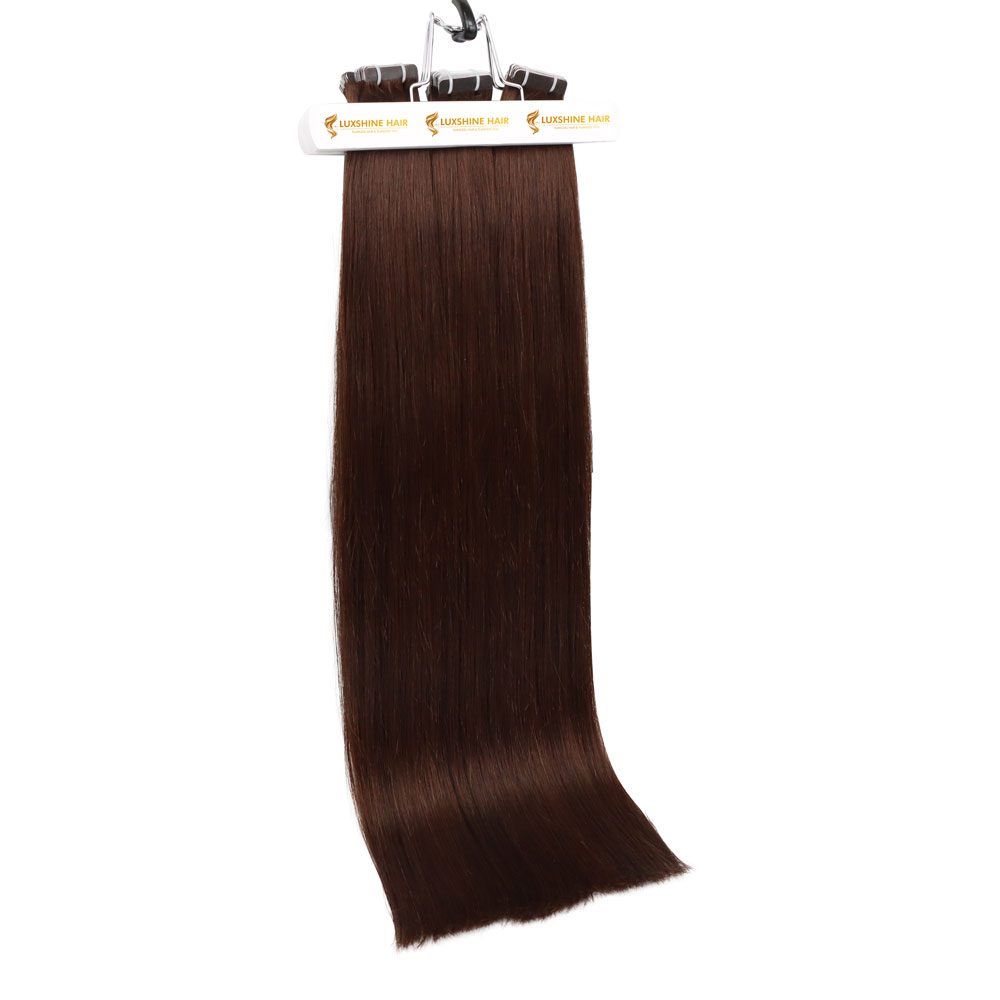
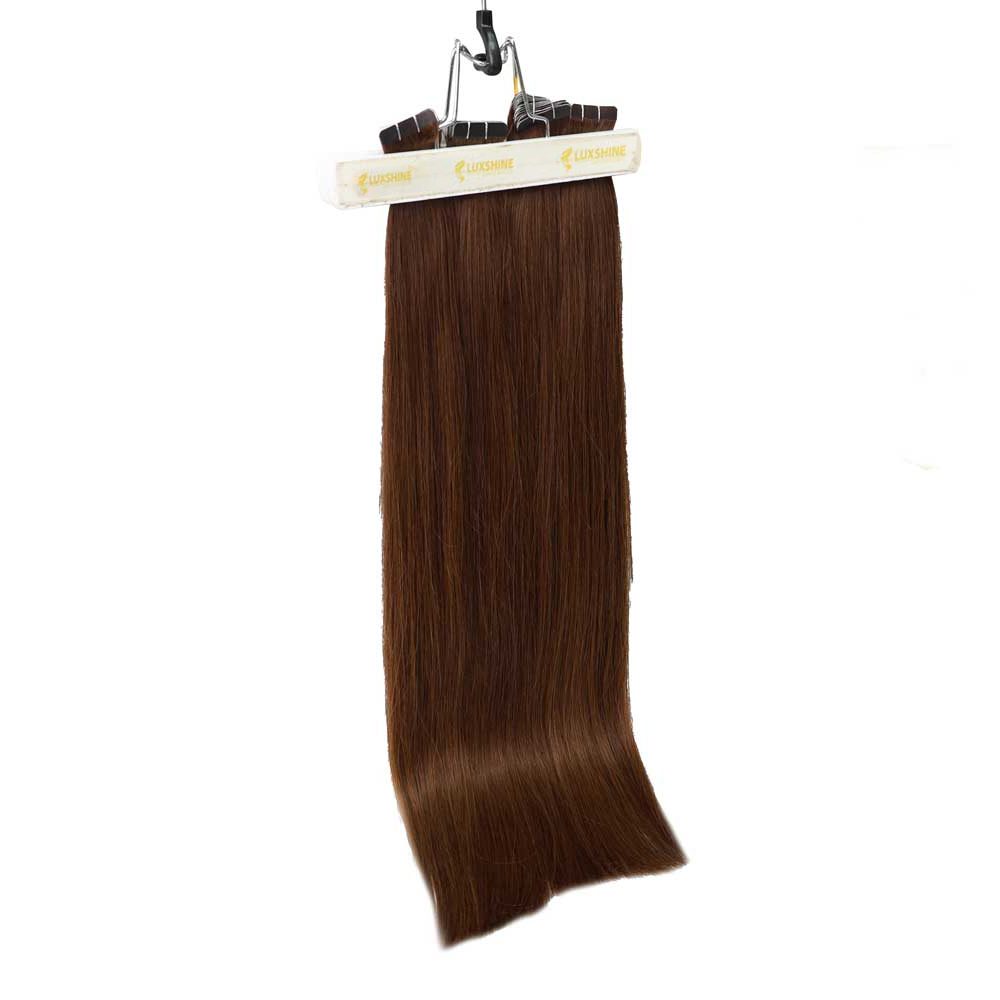
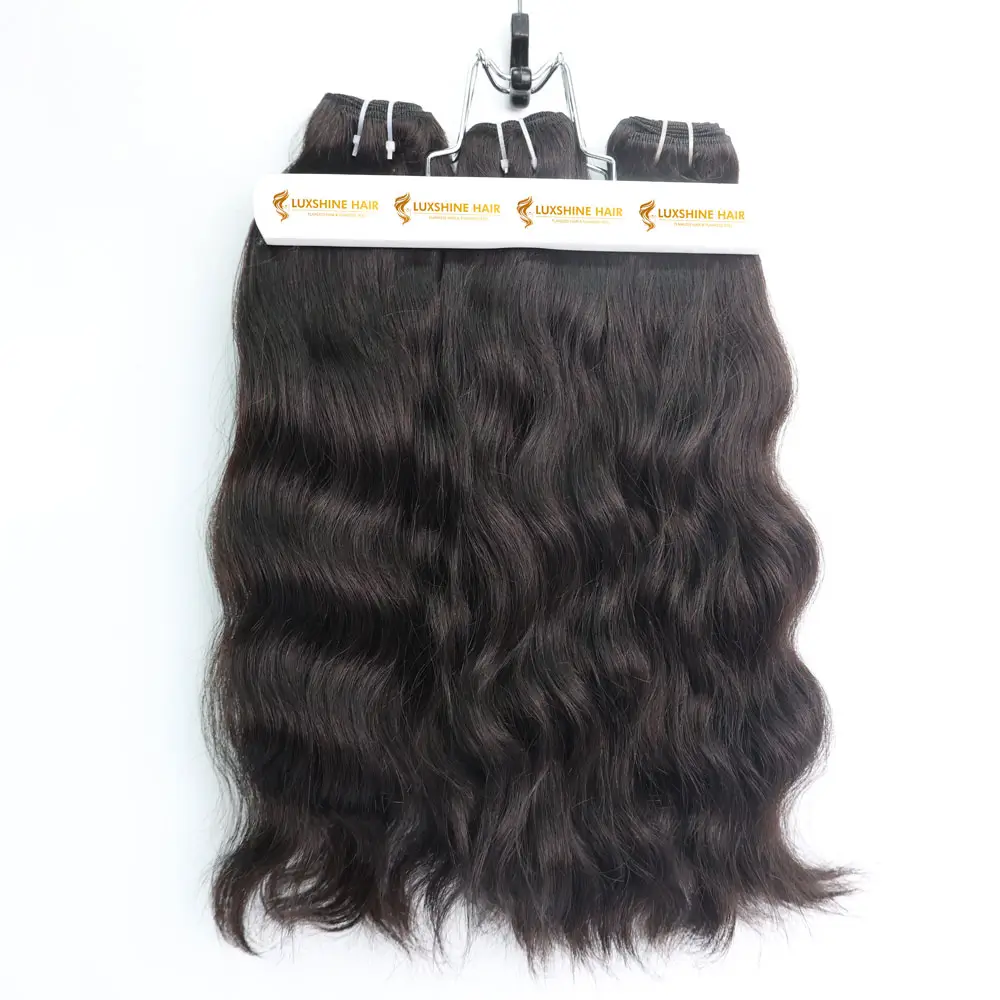
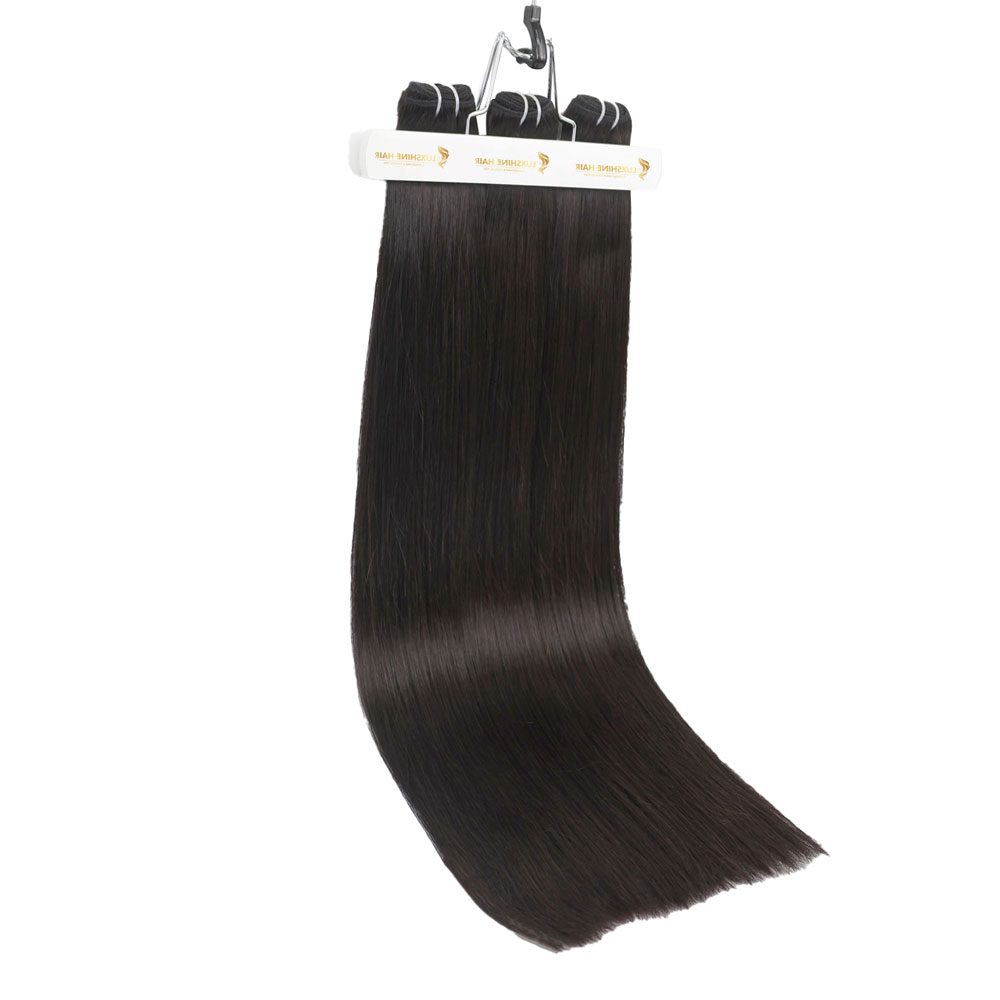
If you want instant volume, length, and smoothness while still maintaining a healthy routine, choosing the right hair extensions also makes a huge difference. Luxshine Hair – the top 1 Vietnamese wholesale hair vendor – is your ultimate solution.


 Vietnamese Hair Extensions
 Best Selling Products
 About us
 Contact Us
 Wholesale Hair Vendor
 Luxshine Hair Blog