When people ask me what is coarse hair, they often assume it simply means thick or curly hair. That confusion is very common. But the truth is more detailed than that. Understanding your hair texture can completely change how you care for it, style it, and even choose the right hair extensions.
In this guide, I will break down what is coarse hair, how it differs from thick hair, how to recognize it, and most importantly, how to take care of coarse hair the right way.
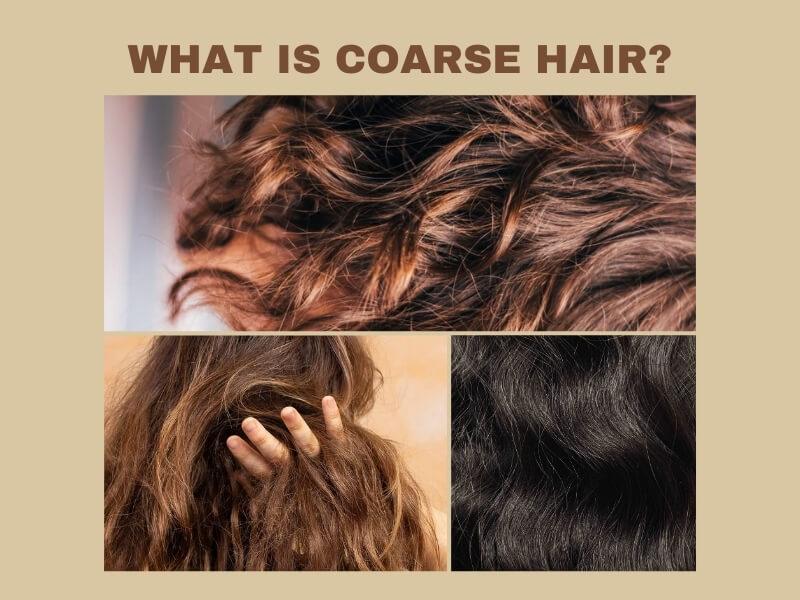
What Is Coarse Hair?
So, what is coarse hair exactly?
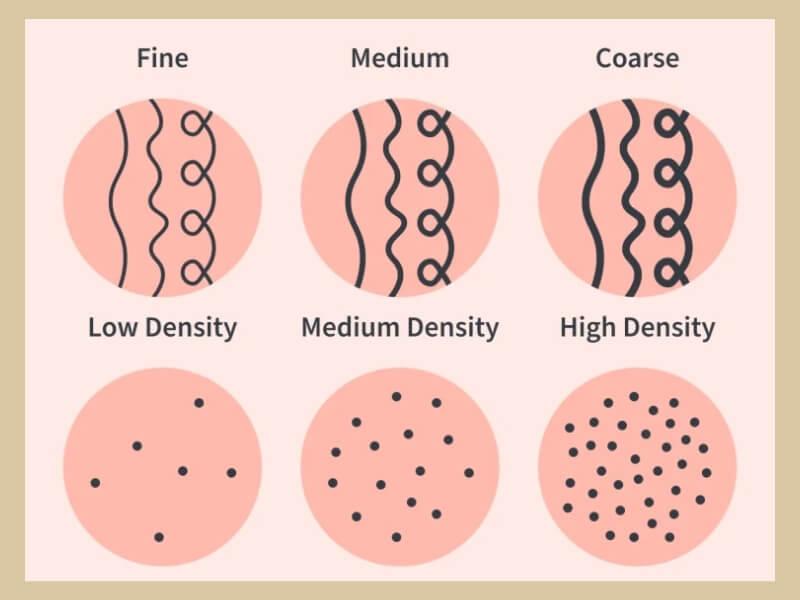
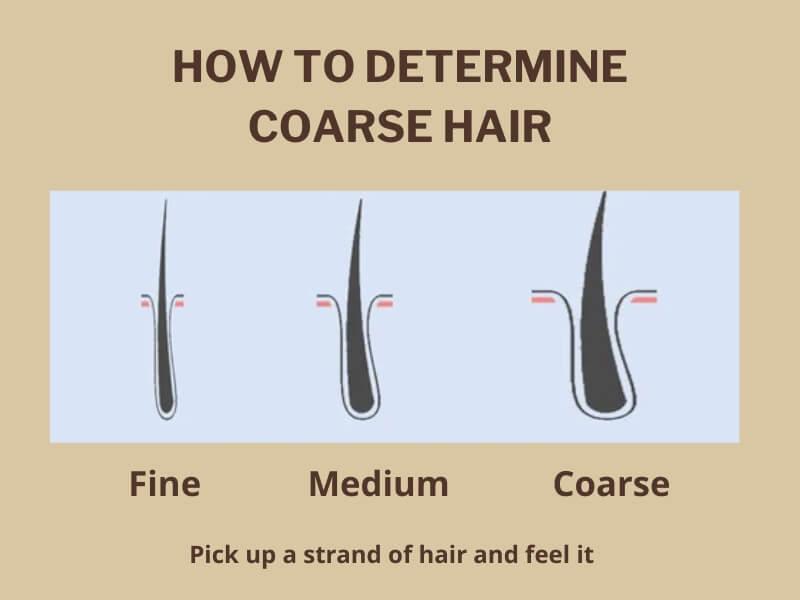
Coarse hair refers to individual hair strands that have a larger diameter compared to fine or medium hair. Each strand feels thicker and stronger when you touch it. It is about the size of the strand itself, not how many strands you have.
Many people confuse density with texture. Density means how many hairs grow on your scalp. Coarse hair is about strand thickness. You can have coarse hair with low density or high density.
From a scientific point of view, what is coarse hair comes down to the structure of the cuticle. The cuticle is the outer layer of your hair strand. In coarse hair, this layer is thicker and more compact.
Because of this structure:
- Coarse hair is strong and durable
- It resists breakage
- It is more resistant to moisture and chemicals
The thick cuticle makes it harder for water and treatments to penetrate. But once moisture gets inside, it tends to stay longer.
Personally, I used to think coarse hair meant damaged hair, but once I understood the cuticle structure, everything made sense.
Coarse Hair vs Thick Hair
One of the biggest questions I hear is: is coarse hair thick?
The short answer is not exactly.
- Coarse hair refers to strand diameter
- Thick hair refers to density or how many strands you have
In other words, coarse hair vs thick hair is about texture versus quantity.
You can have:
- Fine but thick hair
- Coarse but thin hair
- Coarse and thick hair
This is why understanding coarse vs thick hair is important for choosing the right products. If you treat coarse hair like it is just thick, you might overload it with heavy products that do not solve dryness.
I have seen so many people buy products for thick hair, only to complain their coarse hair still feels dry and rough. That difference matters.
So if you are wondering again, is coarse hair thick, remember they are related but not the same thing.
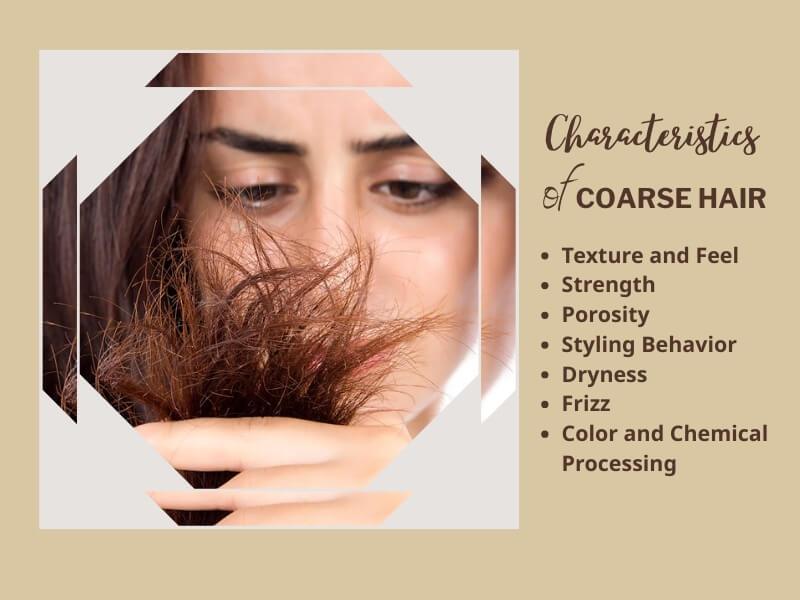
Characteristics of Coarse Hair
To truly understand what is coarse hair, you need to know its typical features.
1. Texture and Feel
Coarse hair feels:
- Rough
- Stiff
- Solid
When you roll a single strand between your fingers, you can clearly feel it.
When I first tested my own strand between my fingers, I was surprised at how noticeable it felt compared to my friend’s fine hair.
2. Strength
Coarse hair is strong. It is less prone to breakage compared to fine hair.
Because of its thick structure, it can handle tension better. That is one of its biggest advantages.
3. Porosity
Coarse hair usually has low porosity.
This means:
- It does not absorb moisture easily
- But once moisture gets in, it holds it well
The thick cuticle acts like a shield.
4. Styling Behavior
Coarse hair can be difficult to style. It may resist curling or straightening at first. However, once styled, it holds the shape longer.
5. Dryness
One of the biggest challenges when asking what is coarse hair is understanding its dryness issue.
Because moisture cannot easily enter the strand, coarse hair often feels dry.
6. Frizz
Coarse hair is often more prone to frizz, especially in humid environments. The outer layer reacts strongly to changes in moisture in the air.
7. Color and Chemical Processing
Coarse hair is more difficult to dye, perm, or straighten. It usually requires longer processing time.
However, it also holds color and style longer once processed.
How to Determine Coarse Hair
If you are still wondering what is coarse hair and whether you have it, here are simple ways to check.
- Determined by Your Eyes: Look closely at a single strand. If it looks thick and visible even without magnification, you may have coarse hair.
- Determined by Your Hands: Roll one strand between your fingers. If you barely feel it, it is fine. If you clearly feel it, it is coarse
- Determined by Your Feelings; Ask yourself: Does my hair feel rough even when conditioned? Does it resist products? Does it take long to get fully wet in the shower? If the answer is yes, you likely understand now what is coarse hair in a practical sense.
Pros and Cons of Coarse Hair
Understanding what is coarse hair also means seeing both sides.
Pros
- Very strong
- Less prone to breakage
- Holds styles longer
- Retains color well
- Durable under heat styling
Cons
- Prone to dryness
- More difficult to manage
- Harder to dye or perm
- Can feel rough without proper care
I truly believe coarse hair is powerful, but it demands respect and the right routine.
Common Misconceptions About Coarse Hair
1. Is Coarse Hair Bad?
Many people ask: is coarse hair bad?
No, it is not bad. It is simply a natural hair type.
Coarse hair is not unhealthy. It is not damaged by default. It just has a thicker structure.
I often remind clients that coarse hair is strong hair, not problematic hair.
2. Deep Condition Regularly
Not true. Coarse hair can be straight, wavy, or curly. Texture and curl pattern are different characteristics.
3. Use Heat to Help Products Penetrate
Actually, it is often harder to manage because of dryness and resistance to products.
4. Coarse Hair Means You Have Thick Hair
Again, coarse hair vs thick hair are different concepts. You can have coarse strands but low density.
5.Coarse Hair Cannot Be Soft
With proper care, coarse hair can absolutely feel soft. The key is moisture balance.
To see where your texture fits into the bigger picture, check out our comprehensive natural hair types chart for a full breakdown of patterns and diameters.
How to Take Care of Coarse Hair
If you finally understand what is coarse hair, the next step is learning how to take care of coarse hair properly.
Here are practical tips:
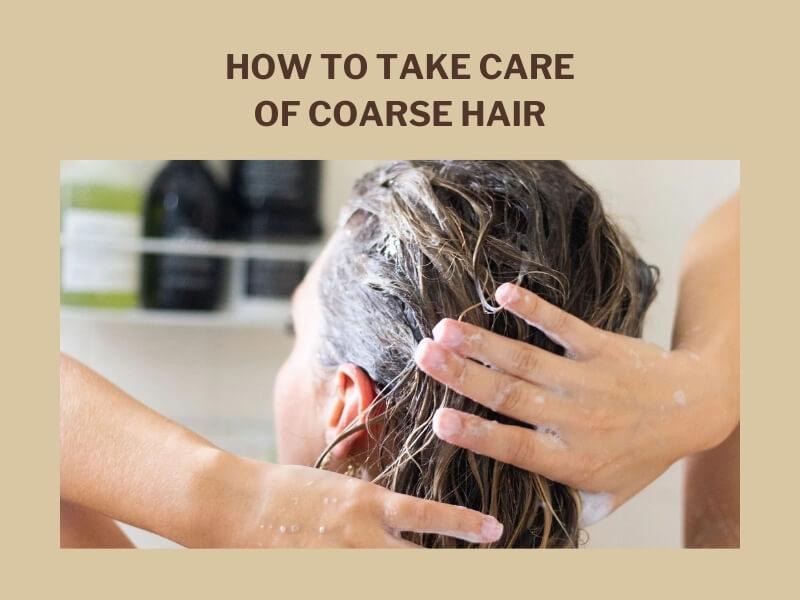
1. Use Moisturizing Shampoo
Avoid harsh clarifying shampoos too often. Choose sulfate free formulas that maintain natural oils.
2. Deep Condition Regularly
Coarse hair needs deep conditioning treatments at least once a week.
Look for:
- Shea butter
- Argan oil
- Coconut oil
- Keratin
3. Use Heat to Help Products Penetrate
Since coarse hair has low porosity, applying mild heat during deep conditioning helps open the cuticle slightly.
I personally noticed a huge difference when I started using a warm towel during deep conditioning.
4. Seal Moisture
After applying leave in conditioner, seal it with oil. This helps trap hydration inside the strand.
5. Limit Over Processing
Because coarse hair resists chemicals, people often over process it. That can cause damage. Always follow professional guidance.
Which Hair Extensions Are Suitable for People with Coarse Hair?
If you have coarse hair, blending is very important. Choosing the wrong texture will look unnatural.
When thinking about what is coarse hair and hair extensions, remember texture matching is everything.
Choose Extensions With Similar Texture
Look for:
- Thick strand hair
- Virgin hair
- Double drawn hair
These types provide fuller ends and stronger strands.
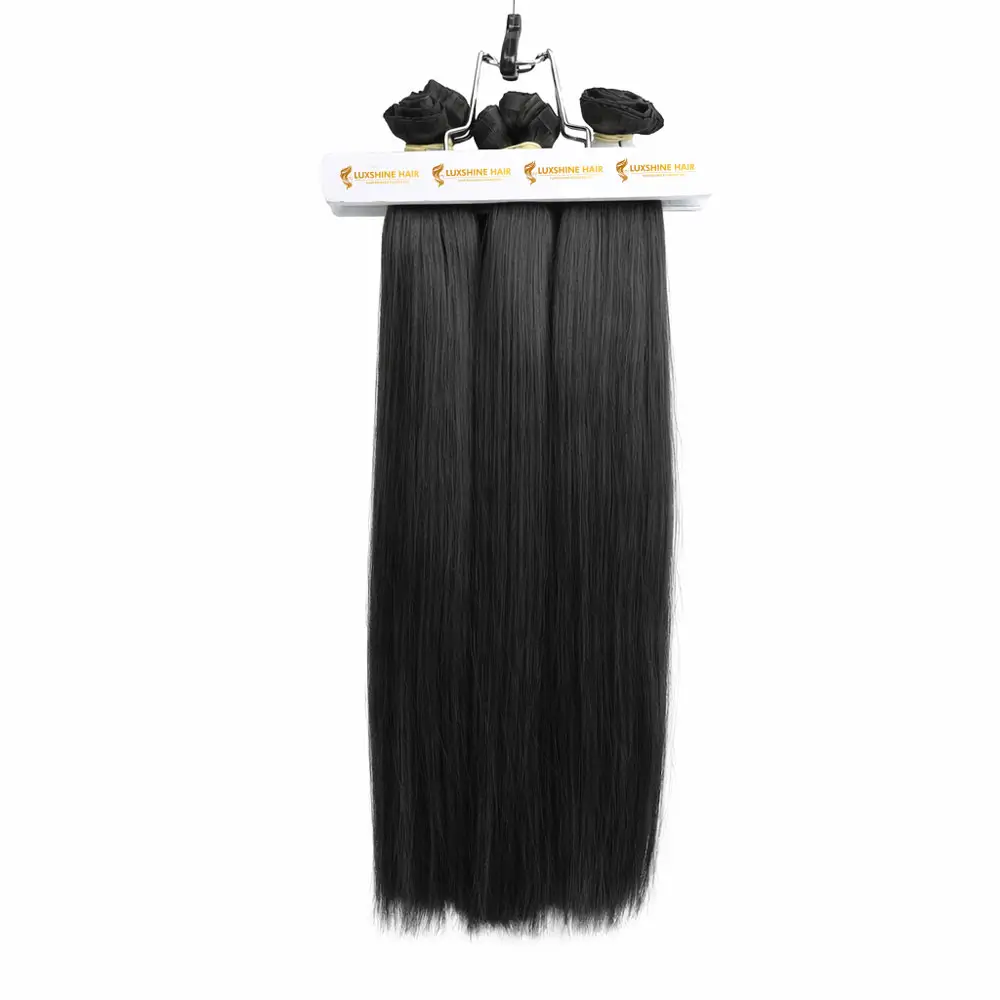
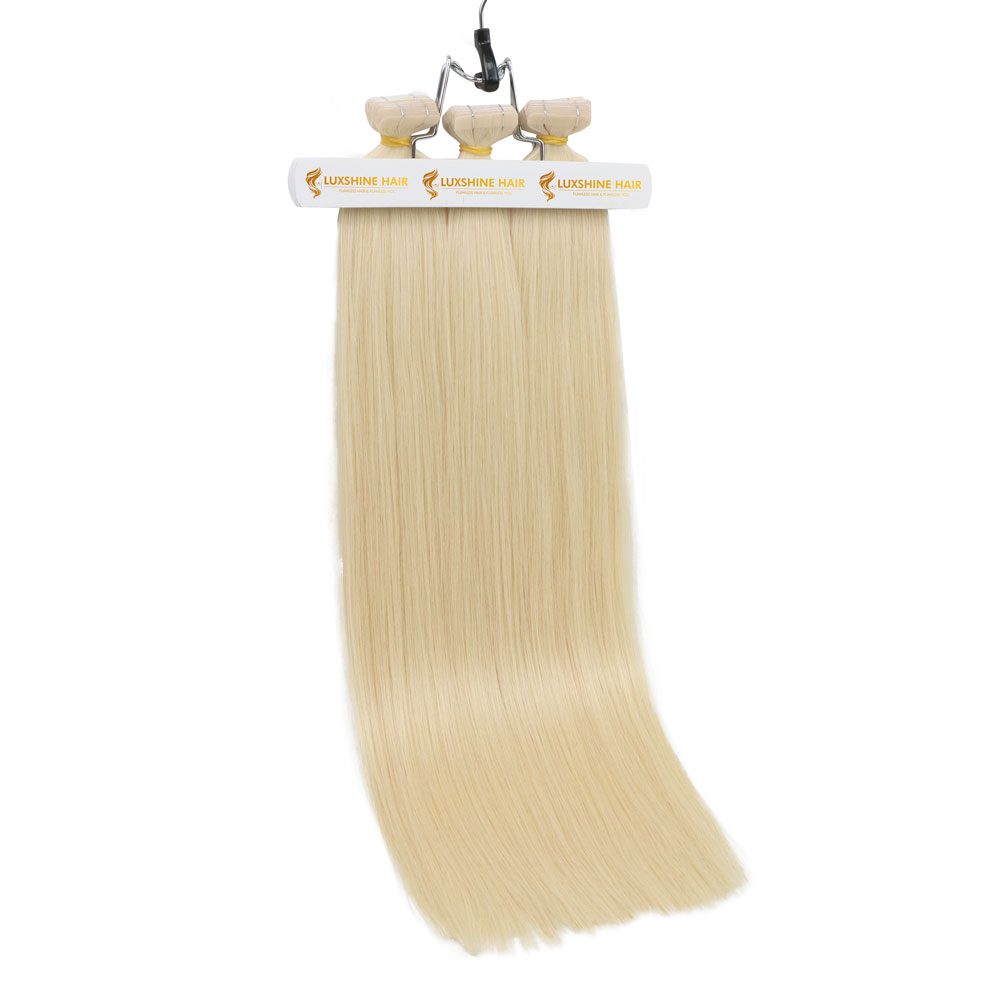
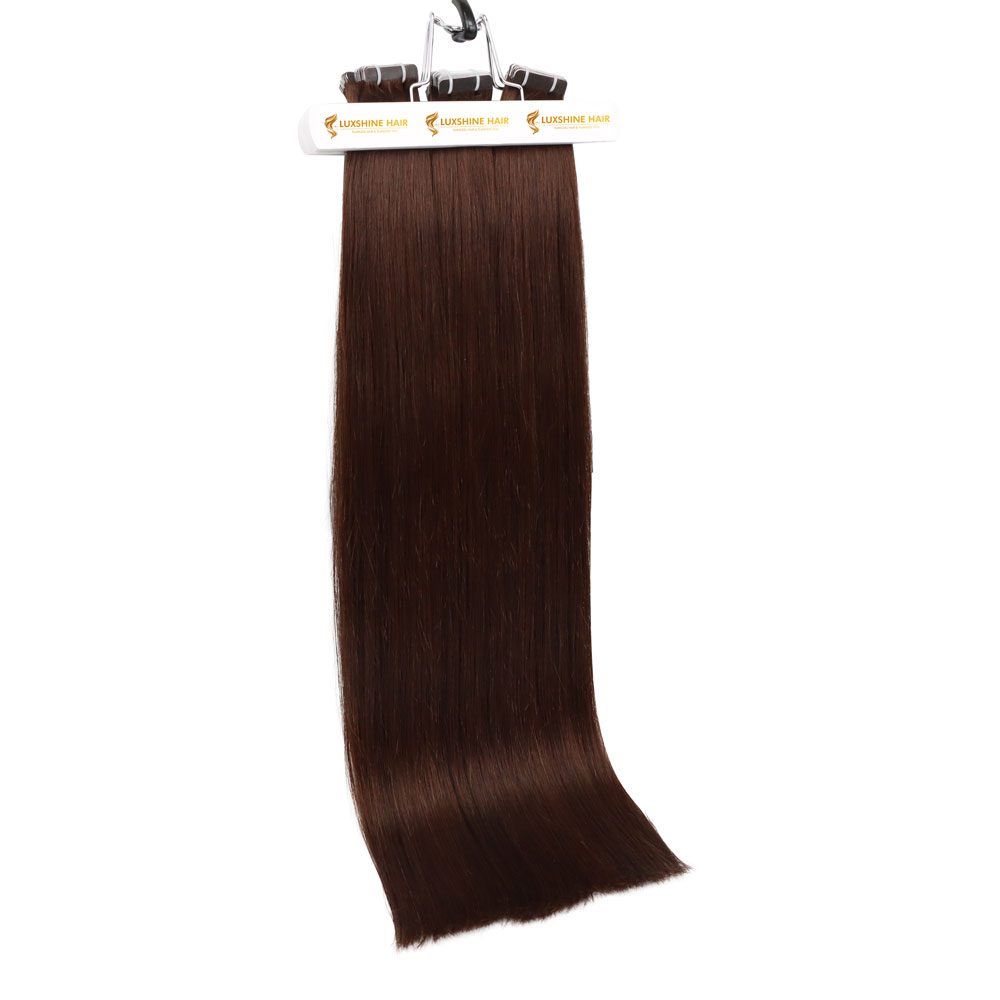
Vietnamese Virgin Hair
Vietnamese virgin hair is known for:
- Thick strands
- Strong cuticles
- Untreated structure
It blends beautifully with natural coarse hair.
Afro Kinky Hair
If you naturally have curly coarse hair, Afro Kinky textures are ideal. They mimic the natural density and pattern.
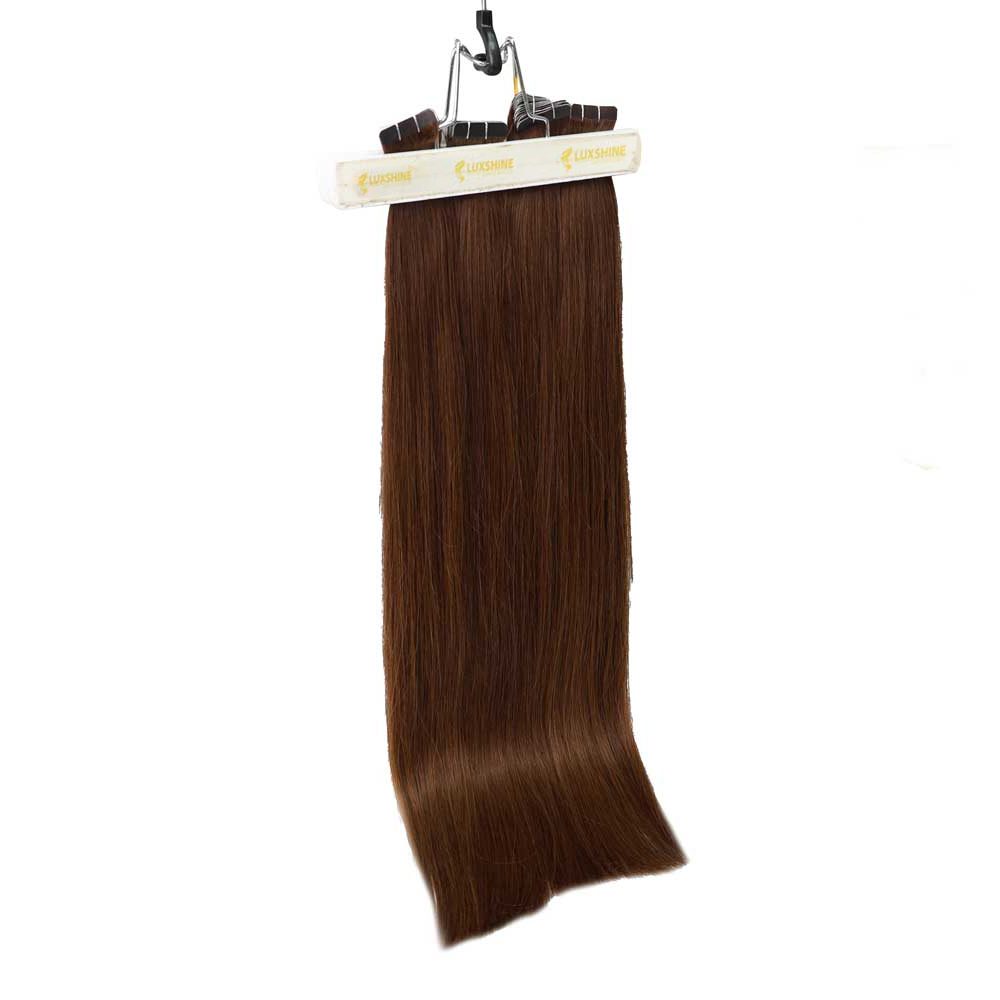
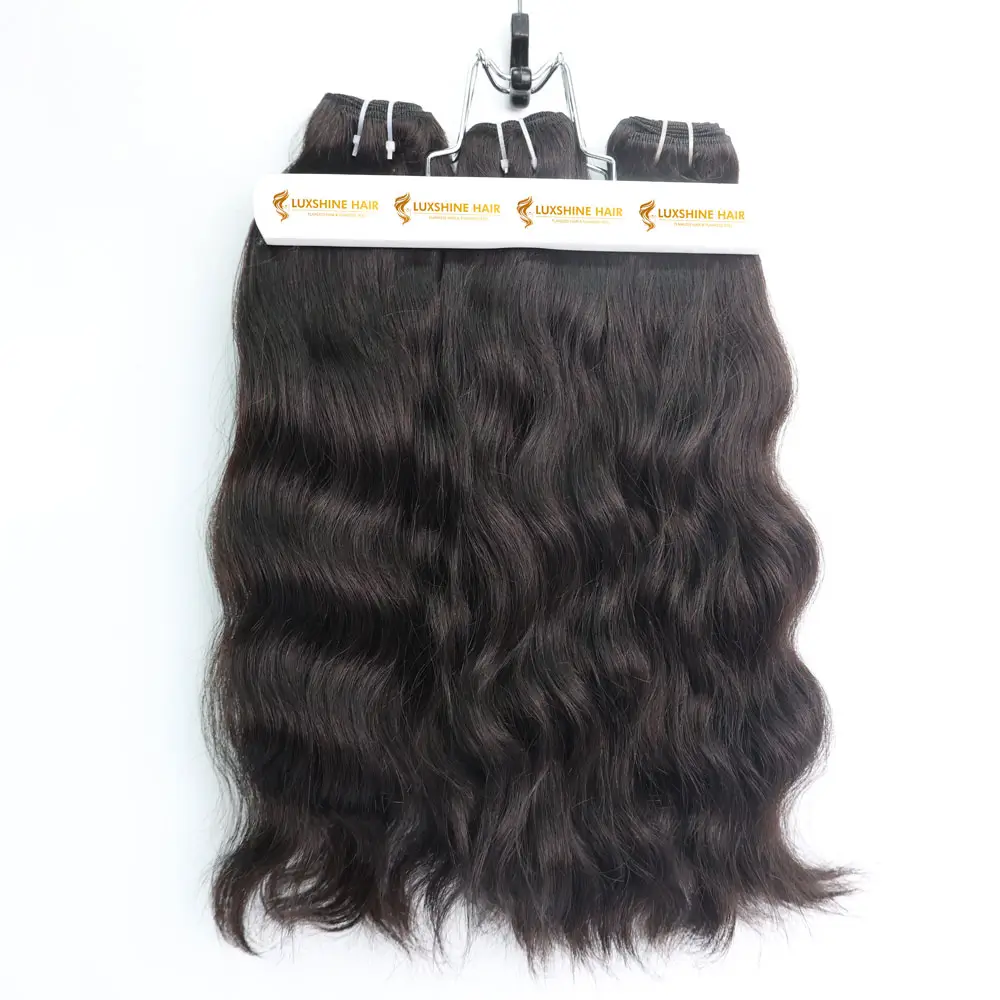
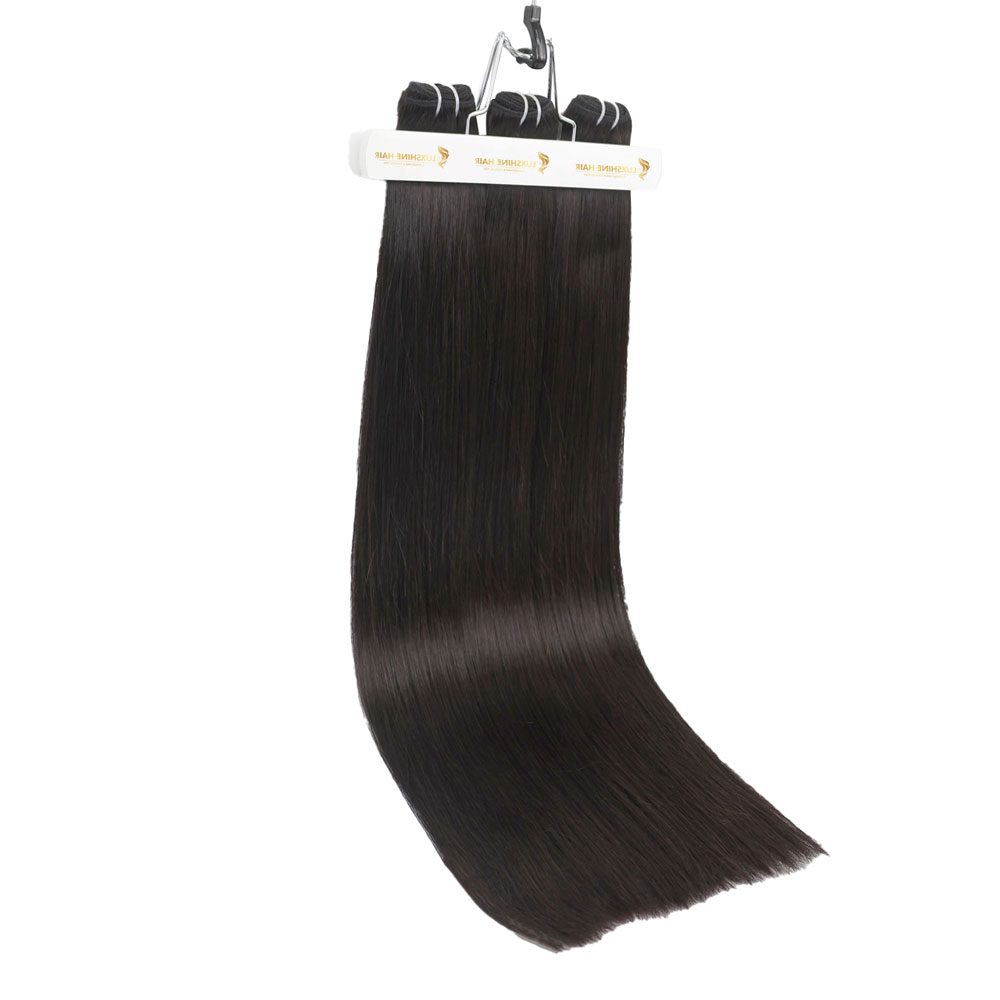
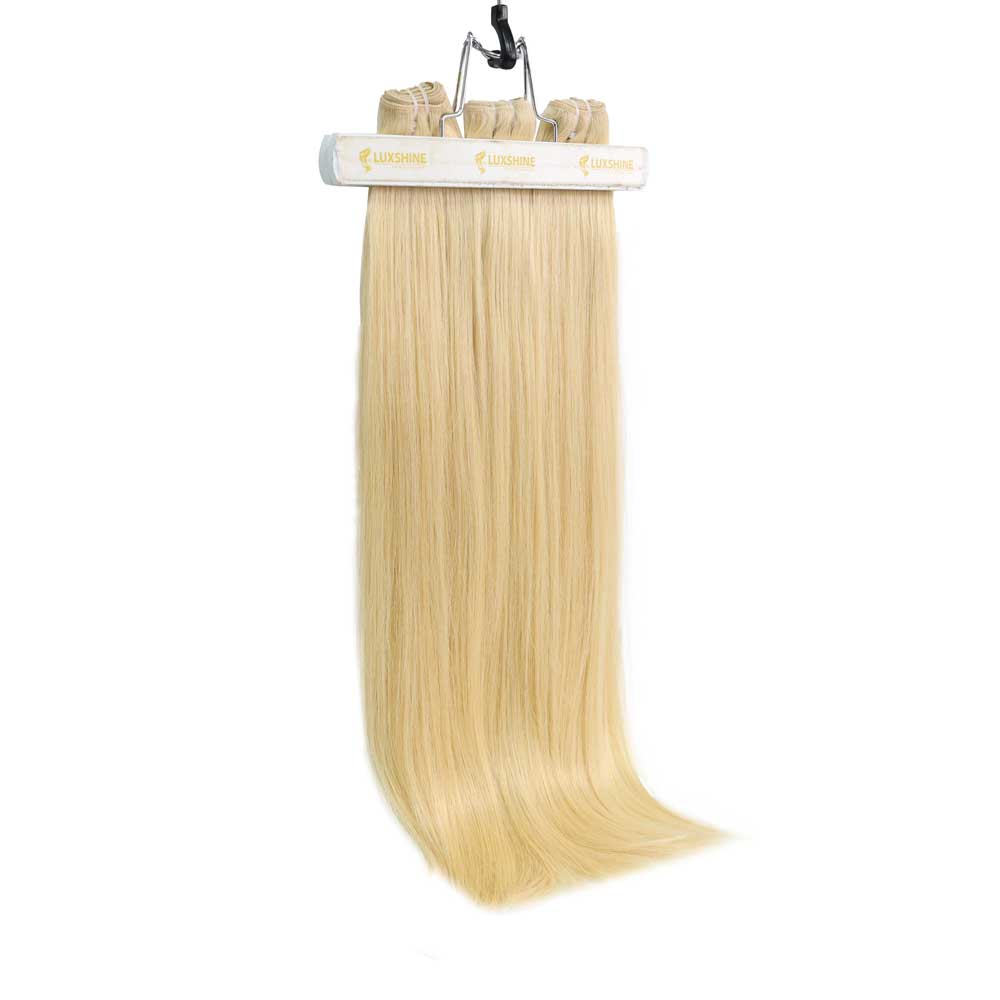
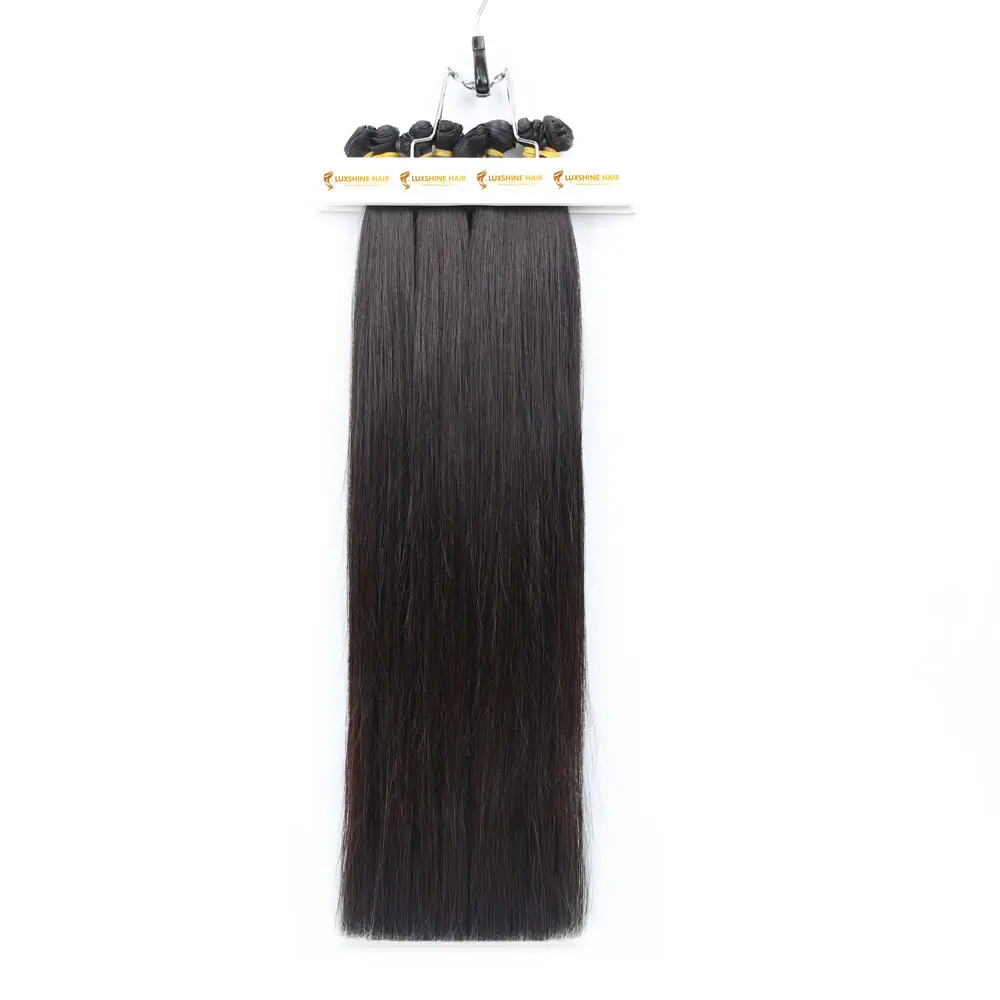
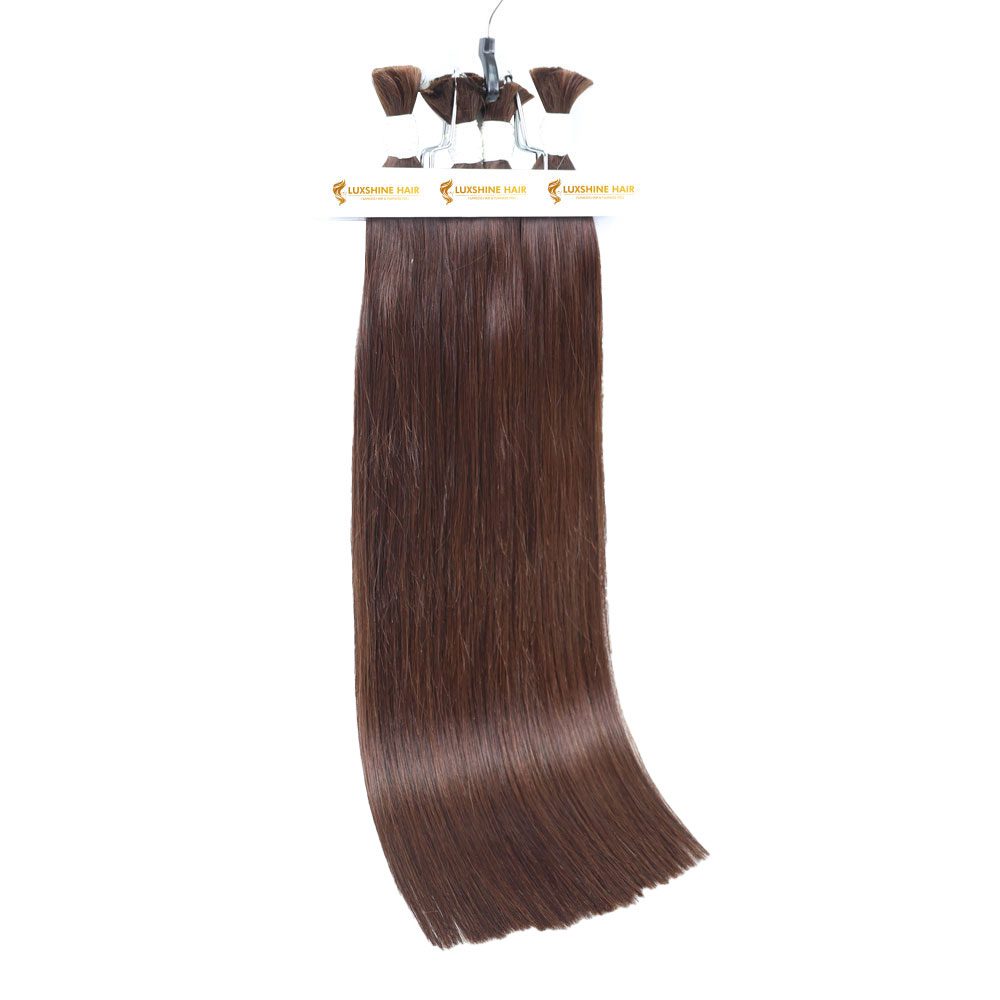
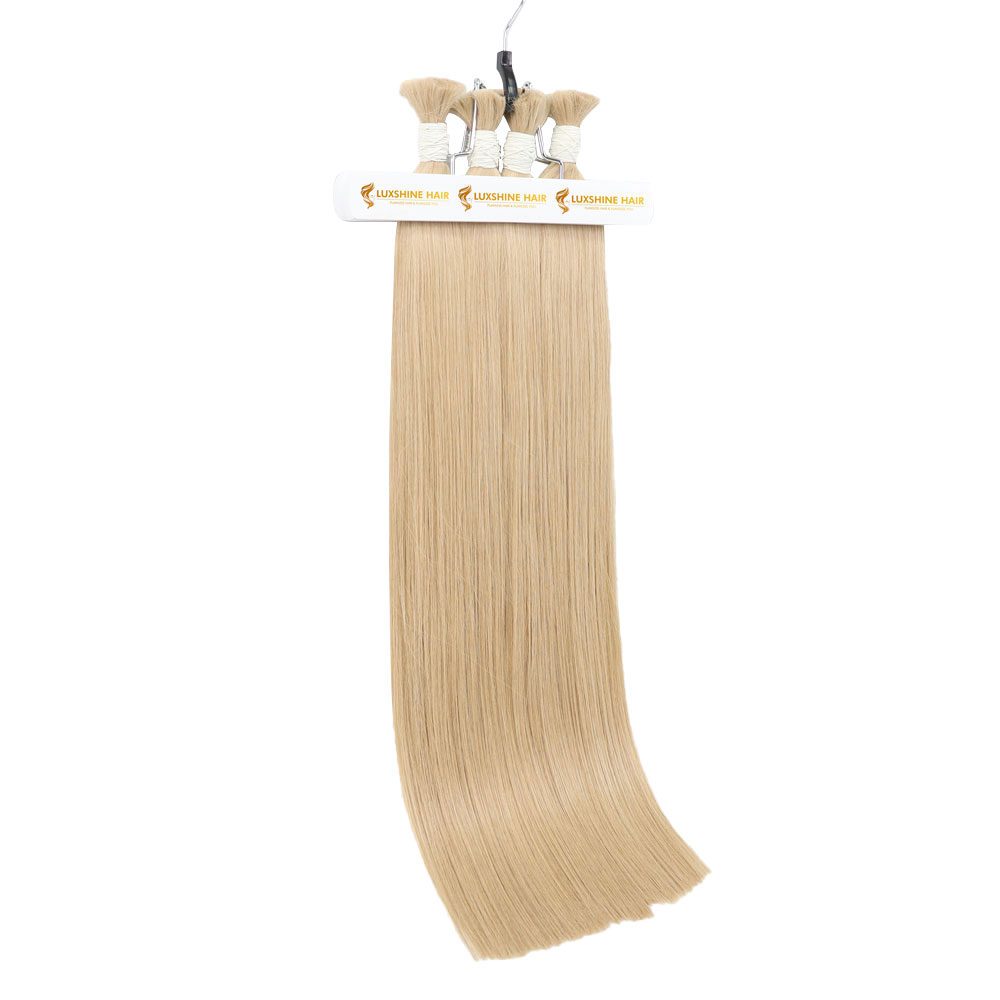
At Luxshine Hair, we offer high quality virgin hair extensions with thick, coarse strands that blend naturally with coarse hair textures.
From my experience working with clients who have coarse hair, the right texture match makes all the difference between obvious extensions and flawless blending.
Conclusion
Now you clearly understand what is coarse hair. It refers to the thickness of individual strands, not the amount of hair on your head. It is strong, durable, and beautiful. It may be more resistant to moisture and chemicals, but with the right routine, it can look healthy and soft.If you are still wondering is coarse hair bad, remember it is simply a natural hair type. The key is learning how to take care of coarse hair properly.
And if you are looking for premium hair extensions that truly blend with coarse textures, contact Luxshine Hair – top 1 Vietnamese hair vendor today at (+1) 912-888-8386.


 Vietnamese Hair Extensions
 Best Selling Products
 About us
 Contact Us
 Wholesale Hair Vendor
 Luxshine Hair Blog