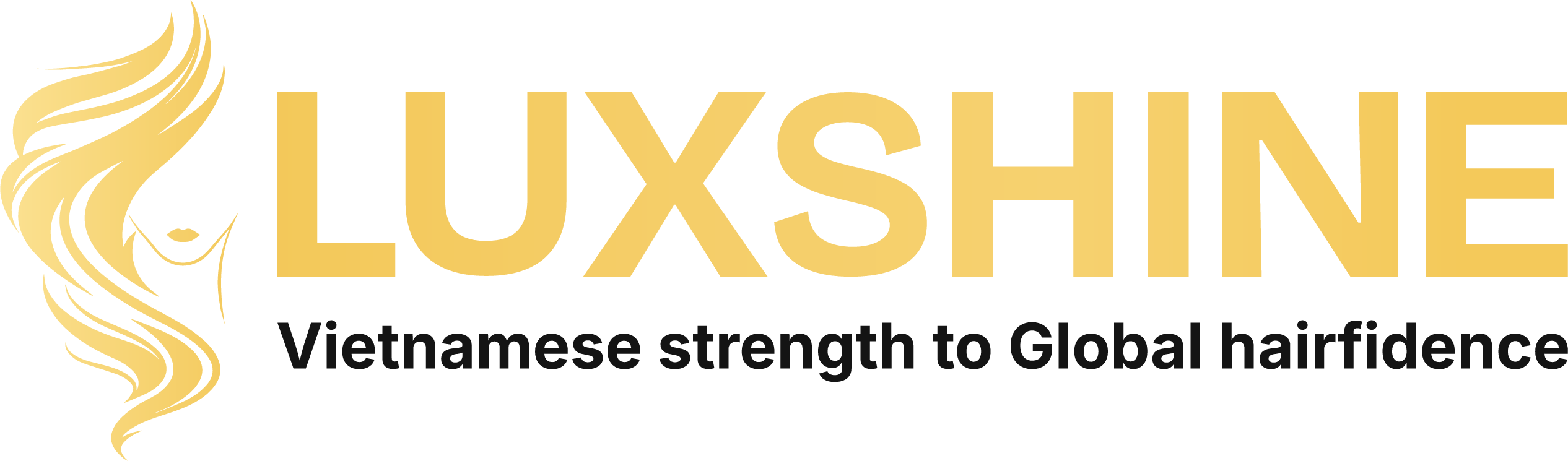
If you are looking for affordable hair with abundant supply and lower entry costs, Indian hair is often the better choice. However, if your goal is to build a premium hair brand, serve luxury salon clients, reduce customer complaints, and maximize long term profit, Vietnamese hair is generally the superior option. While both have their place in the market, the right choice depends on your business model, customer expectations, and target pricing strategy.
In this guide, I will break down every important difference between Vietnamese hair vs Indian hair so you can make the right purchasing decision.
Comparison of Vietnamese vs Indian Hair
When comparing the difference between Vietnamese and indian hair, many buyers focus only on price. In reality, factors such as sourcing methods, cuticle integrity, durability, customer retention, and long term profitability often matter far more than the initial purchase cost.
Let’s compare these two hair types across the factors that truly impact business success.
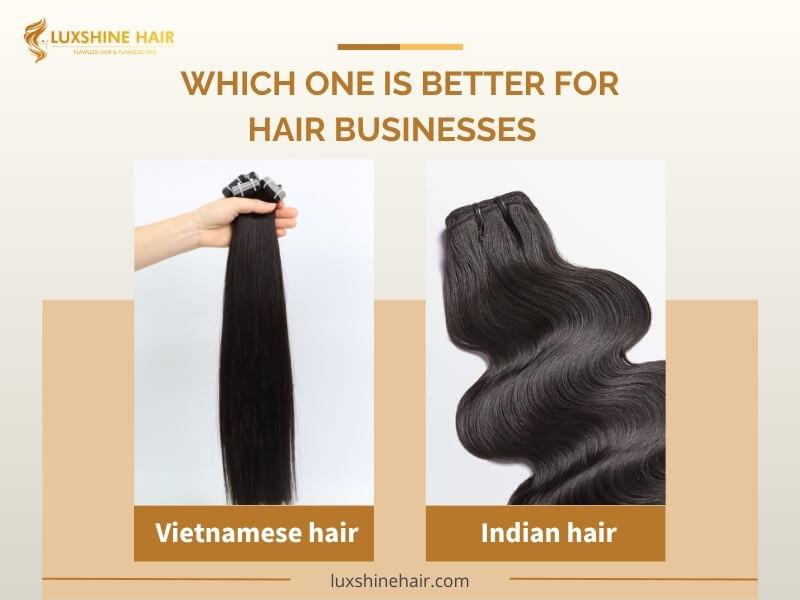
Origin & Supply Chain
The origin of hair directly affects quality, consistency, and processing requirements. Understanding where Vietnamese vs Indian raw hair wholesale comes from is the first step in evaluating its value.
|
Vietnamese Hair |
Indian Hair |
|
Collected mainly from rural Vietnamese women |
Mostly collected from temple donations and hair traders |
|
Typically sourced from a single donor |
Frequently mixed from multiple donors |
|
Naturally straight or slightly wavy |
Naturally wavy, curly, or mixed textures |
|
Strong quality control at factory level |
Quality varies greatly depending on supplier |
|
More traceable supply chain |
Supply chain can be fragmented |
One thing many buyers do not realize is that temple hair and commercial Indian hair are not always the same product.
Temple hair represents only a portion of India’s total hair supply. A significant amount of Indian hair sold internationally comes through multiple layers of collectors, processors, and traders before reaching factories.
Vietnamese hair, by comparison, often follows a shorter supply chain, making quality consistency easier to maintain.
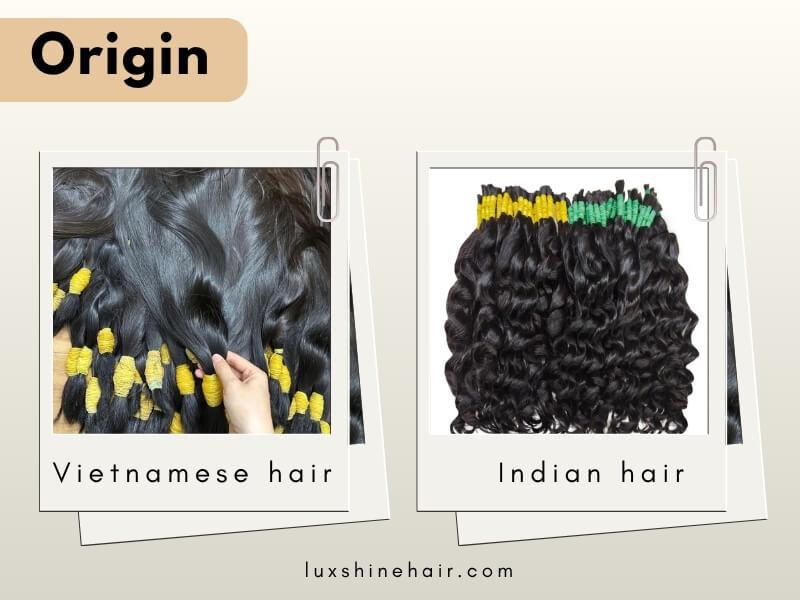
Curious about what makes Vietnamese hair so highly valued worldwide? Discover more in What Is Vietnamese Hair
Characteristics & Structure
Hair structure determines how the hair feels, behaves, and performs after installation.
|
Vietnamese Hair |
Indian Hair |
|
Naturally thick hair strands |
Medium strand thickness |
|
Dense cuticle layers |
Moderate cuticle density |
|
Naturally smooth texture |
More porous texture |
|
Lower tendency to tangle |
Higher tendency to tangle |
|
Excellent cuticle alignment |
Alignment varies by supplier |
When I perform a wet test after three to five washes, Vietnamese hair consistently maintains a smoother cuticle surface. Vietnamese hair often retains its silky feeling longer, while lower grade Indian hair may become dry more quickly due to higher porosity.
Lifespan
For salon owners and distributors, lifespan directly impacts customer satisfaction.
|
Vietnamese Hair |
Indian Hair |
|
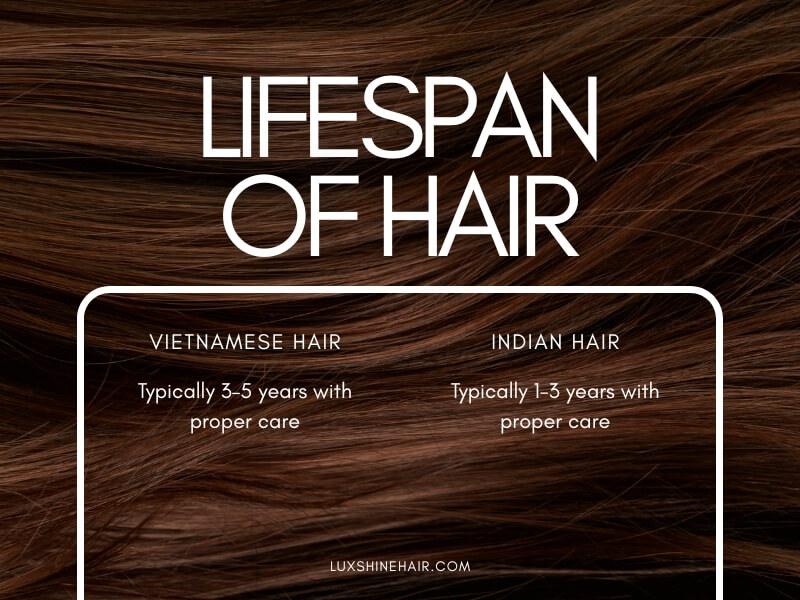
Typically 3–5 years with proper care |
Typically 1–3 years with proper care |
|
Better durability after coloring |
Faster quality decline after processing |
|
Maintains smoothness longer |
More prone to dryness over time |
|
Higher resale and reuse value |
Lower reuse potential |
Premium Vietnamese raw hair extensions still perform beautifully after more than three years of repeated use.
One wholesale customer in Texas reused the same Vietnamese raw hair installation four separate times before replacement. Really worth the money!
Bleaching and Dyeing Ability
Color customization is crucial for modern salons.
|
Vietnamese Hair |
Indian Hair |
|
Can often lift to Level 9–10 |
Usually lifts to Level 7–9 |
|
Handles multiple coloring sessions well |
More vulnerable to damage |
|
Maintains strength after bleaching |
Higher risk of dryness |
|
Excellent for blonde collections |
Better suited for darker shades |
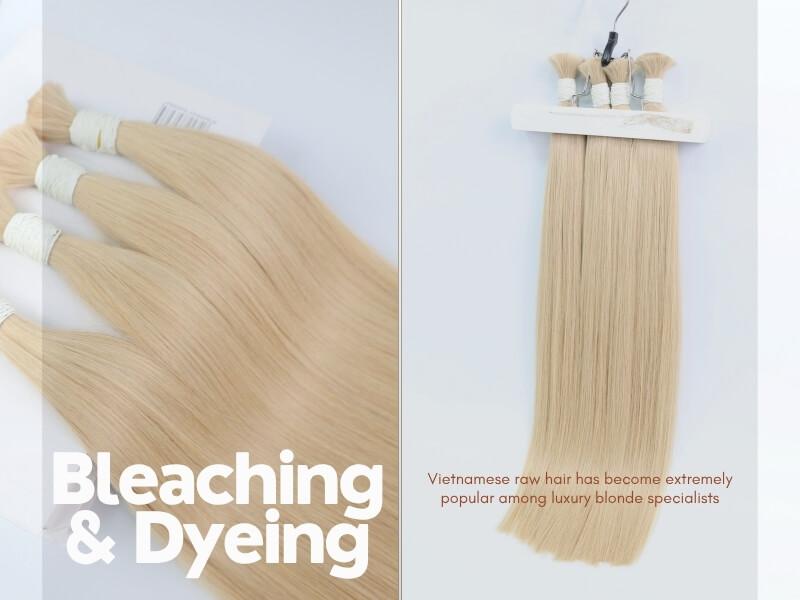
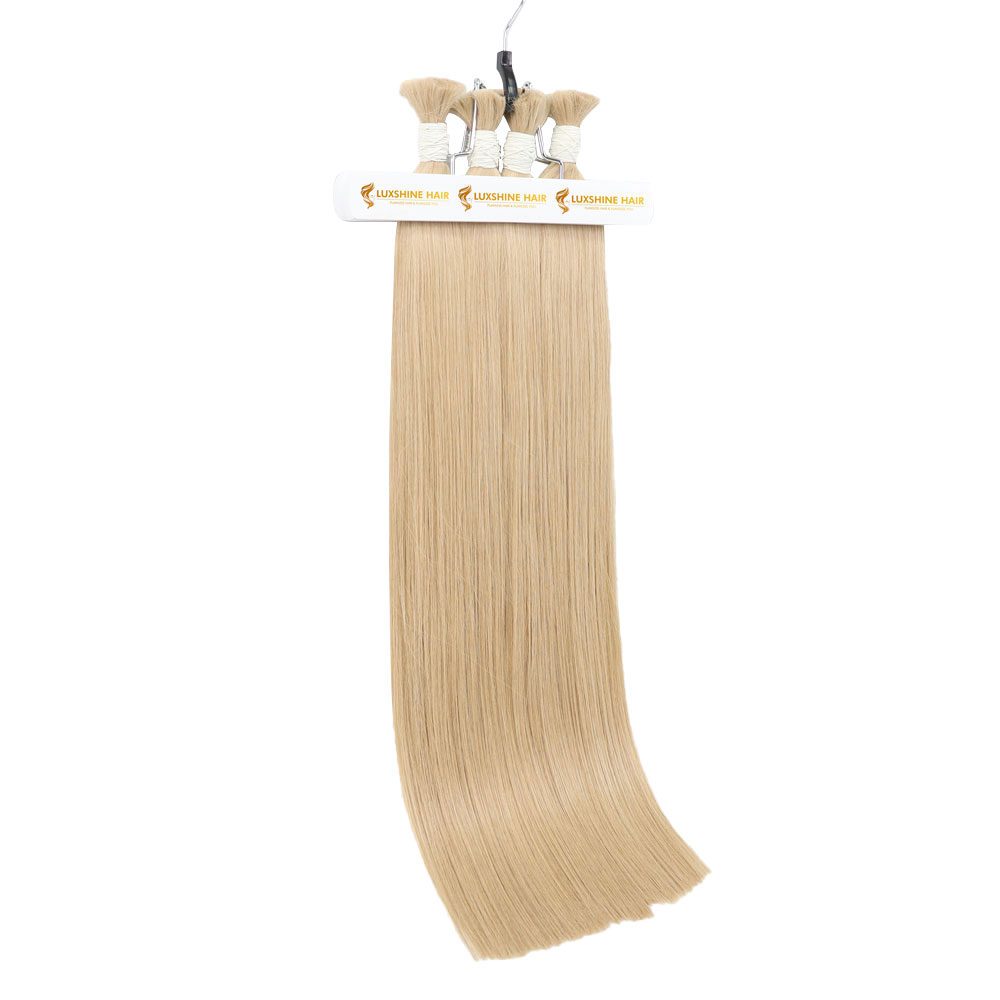
Vietnamese raw hair has become extremely popular among luxury blonde specialists.
Many American salons specifically request Vietnamese raw hair because they can achieve platinum blonde shades with fewer quality issues.
This is one of the major reasons Vietnamese hair dominates premium blonde extension markets.
Heat Resistance & Styling Hold
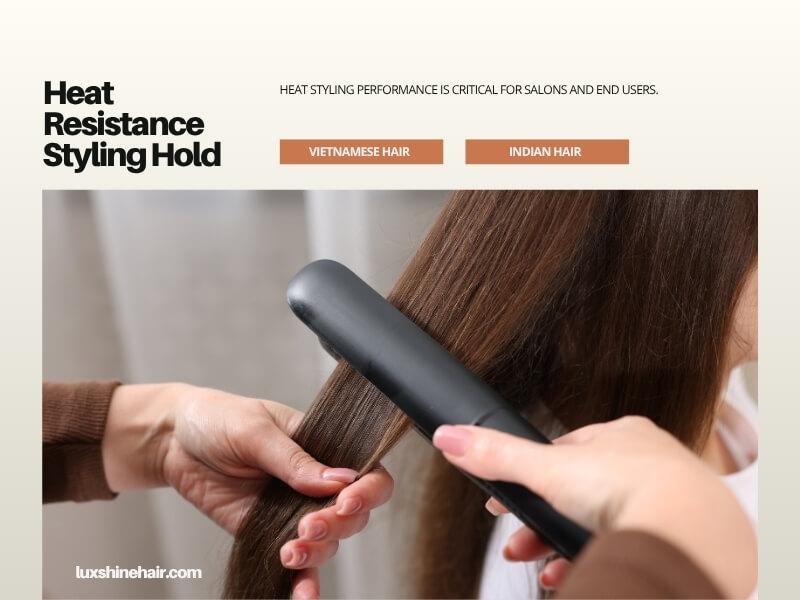
Heat styling performance is critical for salons and end users.
|
Vietnamese Hair |
Indian Hair |
|
Excellent heat resistance |
Good heat resistance |
|
Holds curls for longer periods |
May lose curl definition faster |
|
Straightens easily |
Straightens well |
|
Better recovery after styling |
Higher risk of dryness |
Volume and Thickness from Root to Tip
Hair density significantly affects the final appearance.
|
Vietnamese Hair |
Indian Hair |
|
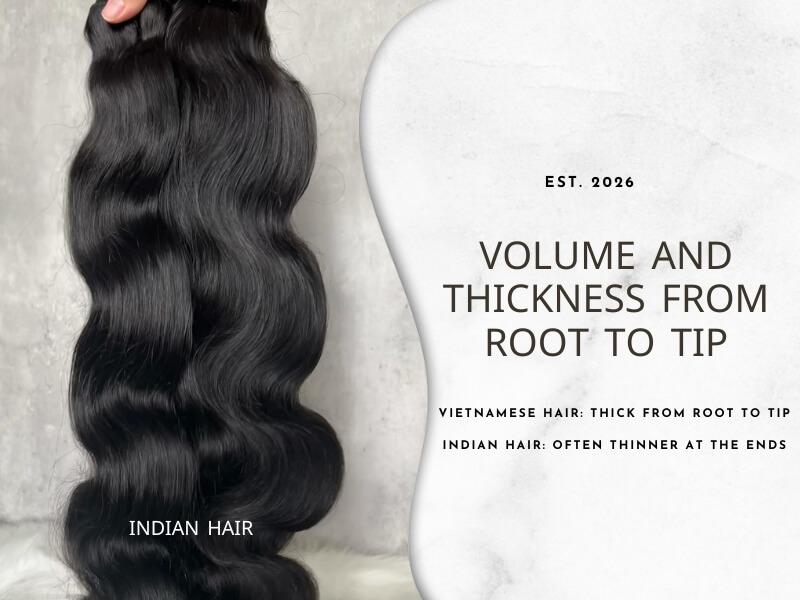
Thick from root to tip |
Often thinner at the ends |
|
Super Double Drawn widely available |
Double Drawn less consistent |
|
Minimal short hair |
Higher percentage of short hair |
|
Fuller overall appearance |
May require more bundles |
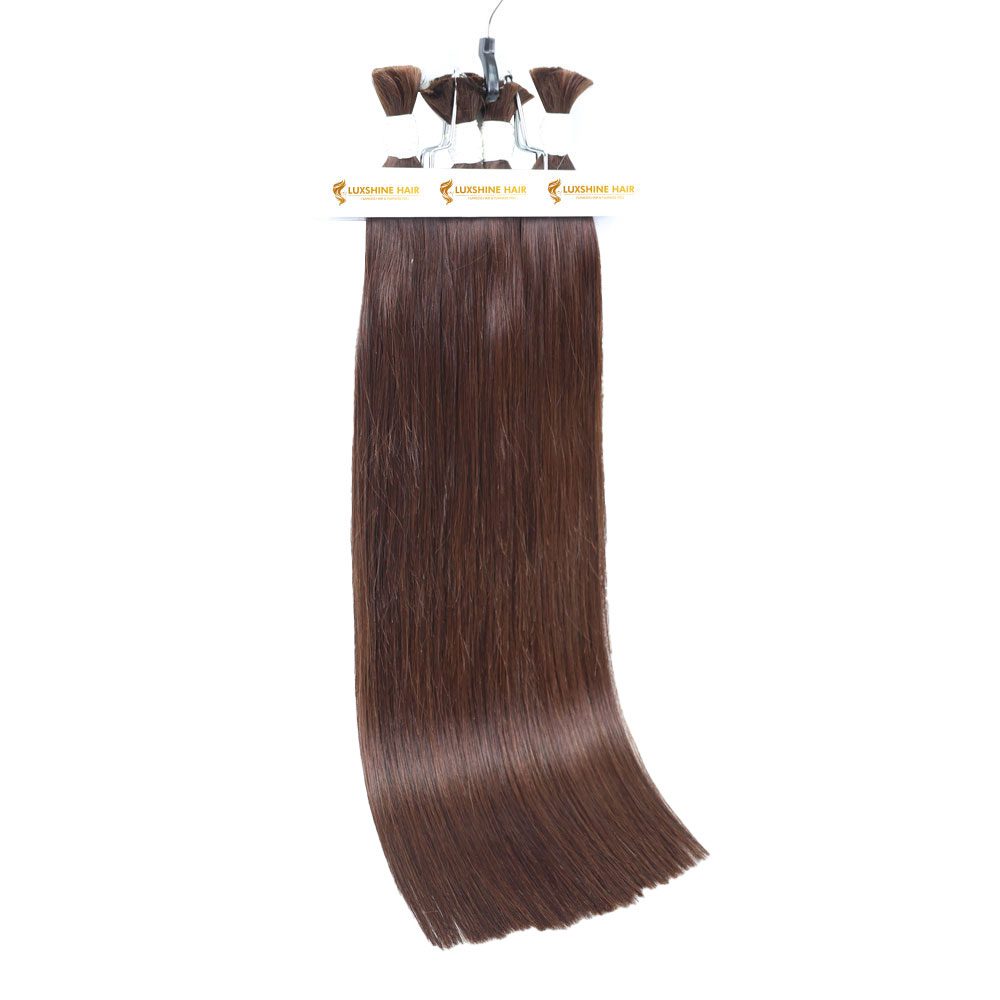
Vietnamese factories like Luxshine Hair have invested heavily in manual short hair removal technology. We employ teams dedicated solely to removing short strands by hand, a process that can take several hours for a single batch. As a result, Super Double Drawn Vietnamese hair often looks dramatically fuller.
Indian hair frequently contains more short strands, resulting in thinner “mouse tail” ends. For clients seeking volume, this difference becomes immediately visible.
Cost
Price is where Indian hair traditionally shines.
However, businesses should evaluate both initial cost and long term profit.
|
Vietnamese Hair |
Indian Hair |
|
Higher initial investment |
Lower initial investment |
|
Premium market positioning |
Budget market positioning |
|
Higher profit per customer |
Lower profit margins |
|
Lower replacement rate |
Higher replacement frequency |
Initial Cost
Indian hair generally costs less due to larger supply volumes and lower processing costs.
For startups with limited budgets, Indian hair can provide an easier entry point.
Long Term Profit
Vietnamese hair often generates better lifetime customer value.
I frequently tell new distributors that the cheapest hair is not always the most profitable hair.
If customers repeatedly complain, request refunds, or switch suppliers, the apparent savings disappear quickly.
Customer Return Rate
Customer retention is one of the most overlooked metrics in the hair industry.
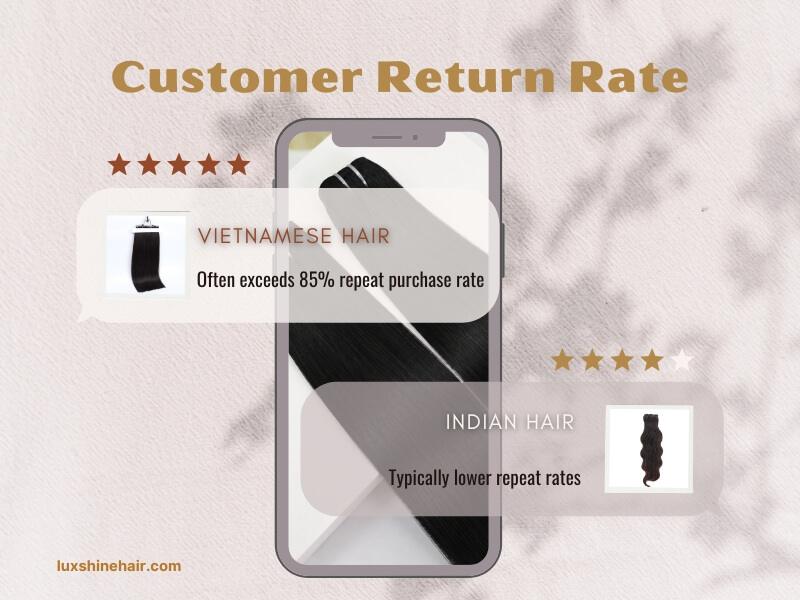
Based on internal wholesale feedback collected from salon owners and distributors across major markets:
|
Vietnamese Hair |
Indian Hair |
|
Often exceeds 85% repeat purchase rate |
Typically lower repeat rates |
|
Lower complaint rates |
More quality variation complaints |
|
Strong brand loyalty |
Higher customer switching rate |
|
Better review performance |
Mixed review performance |
This comparison is based on aggregated customer feedback and reorder data reported by multiple wholesale suppliers, distributors, and salon partners in the United States, Europe, and Africa rather than a single public industry database.
The strongest indicator of hair quality is not the first sale. It is whether customers buy again six months later.
The most successful salons I work with focus heavily on retention rather than chasing the lowest possible cost.
Target Audience Match
Different hair types serve different markets.
|
Vietnamese Hair |
Indian Hair |
|
|
Vietnamese hair excels in quality while Indian hair shines in affordability
If your brand competes on quality, customer experience, and long term loyalty, Vietnamese hair is usually the stronger choice.
If your business model focuses on affordability and rapid inventory turnover, Indian hair can still be a valuable option.
Wondering About Vietnamese Hair vs Indian Hair? Start Here
Is Vietnamese Hair Better Than Indian Hair?
For premium quality, durability, bleaching performance, and customer retention, Vietnamese hair is generally considered better.
For affordability and entry level wholesale purchasing, Indian hair often offers advantages.
The better choice depends on your target market.
How Many Hair Factories Are There in Vietnam?
Vietnam has hundreds of hair processing facilities ranging from small workshops to large export manufacturers.
The majority are concentrated around Hanoi and Northern Vietnam, which has become the center of the country’s hair extension industry.
Why Is Vietnamese Hair More Expensive?
Vietnamese hair typically comes from single donors, undergoes stricter quality control, and requires more manual processing, especially for Double Drawn and Super Double Drawn products.
These factors increase production costs but also improve product quality.
Which Hair Is Better for Blonde Extensions?
Vietnamese hair is widely preferred for blonde collections because it generally lifts better during bleaching and retains strength after coloring.
Which Hair Type Is Better for New Vendors?
For vendors with limited startup capital, Indian hair can provide a lower risk entry point.
For vendors building a premium brand with long term growth goals, Vietnamese hair often offers greater profitability over time.
Looking for a Trusted Vietnamese Hair Factory?
After years of working with distributors, salon owners, and hair brands worldwide, Indian hair excels in affordability and accessibility while Vietnamese hair excels in quality, longevity, customer satisfaction, and premium market positioning.
Vietnamese hair vs Indian hair, which you choose? If your goal is simply to sell hair, both options can work. If your goal is to build a respected hair brand that customers trust and return to year after year, Vietnamese hair provides a stronger foundation.
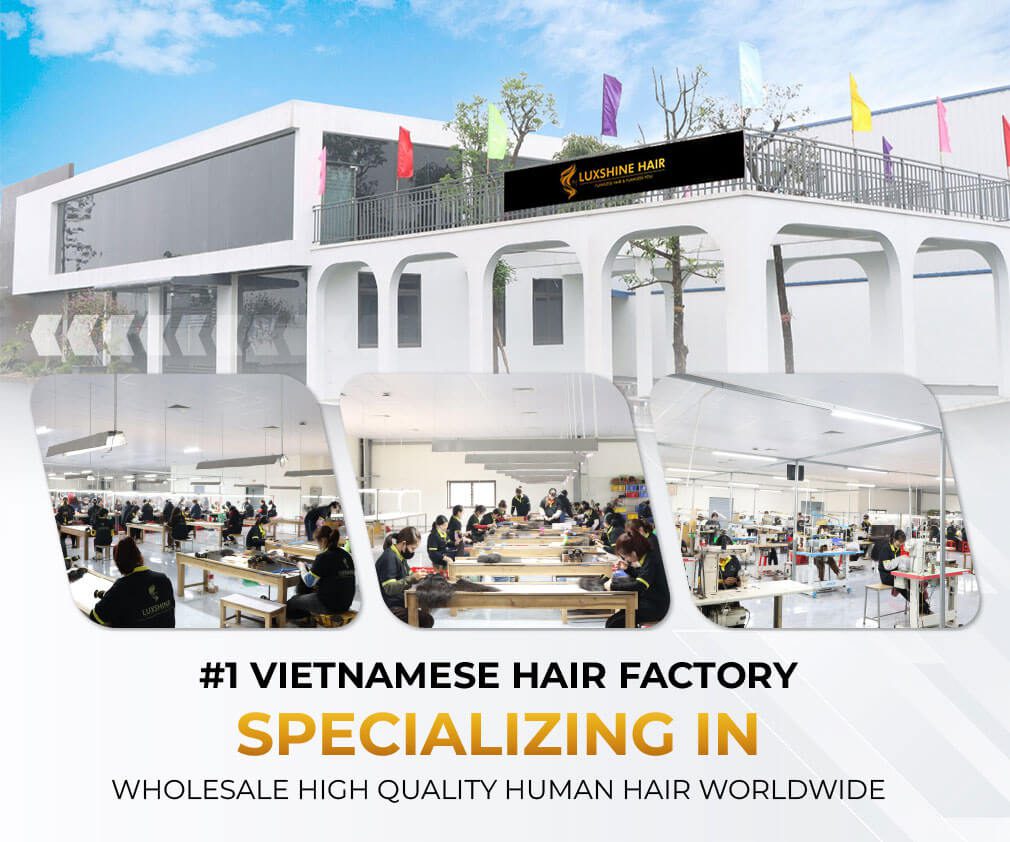
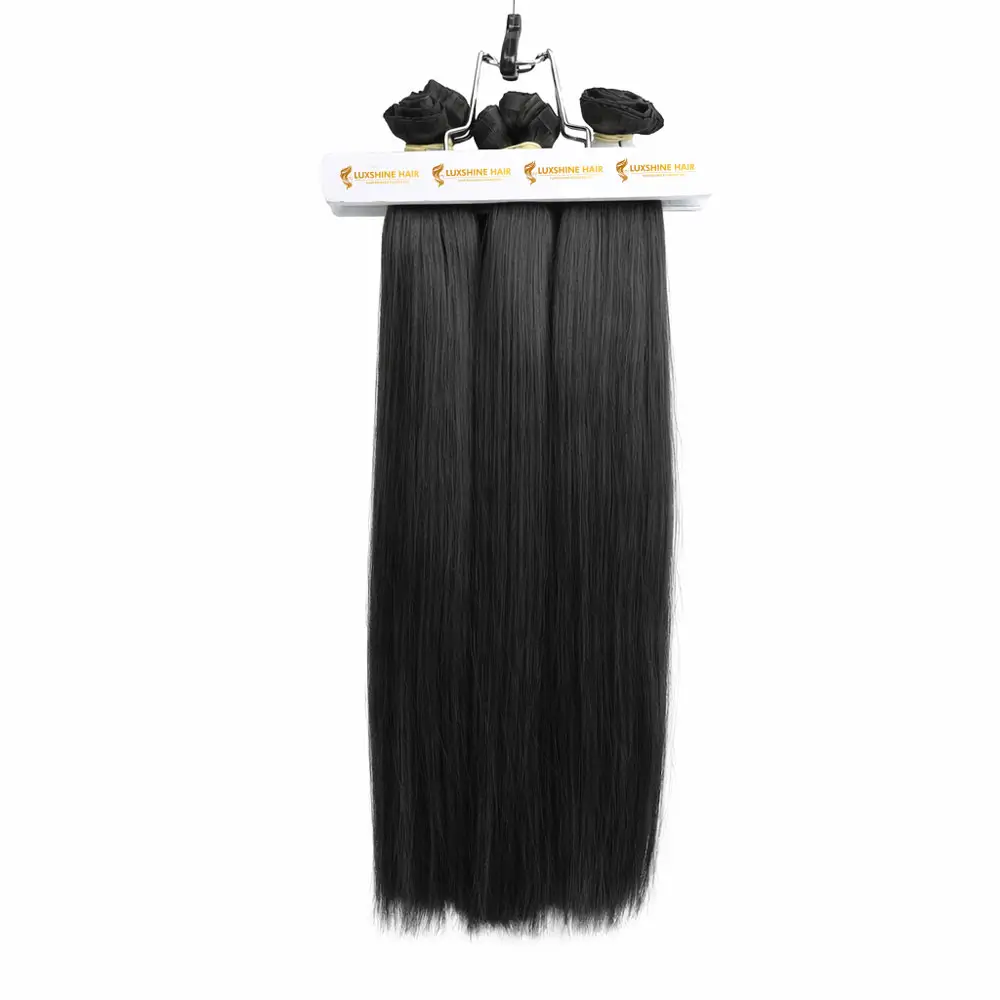
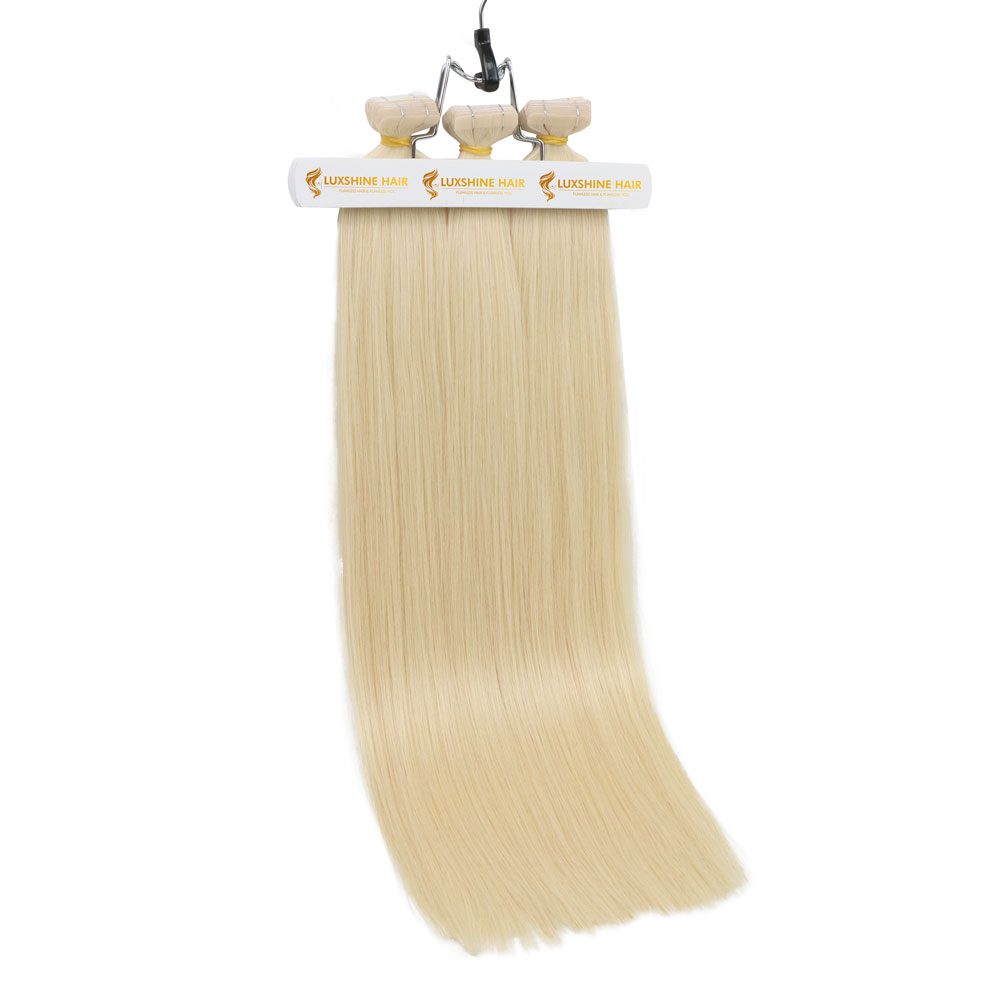
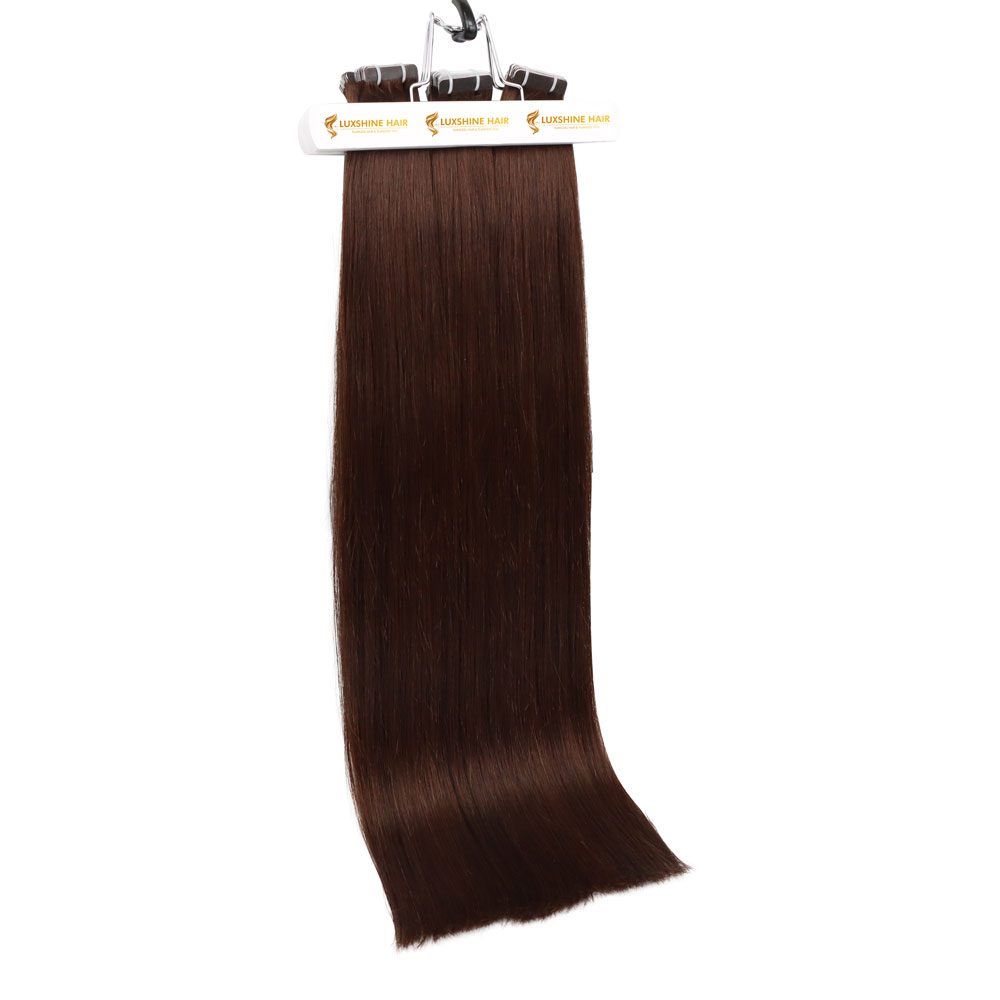
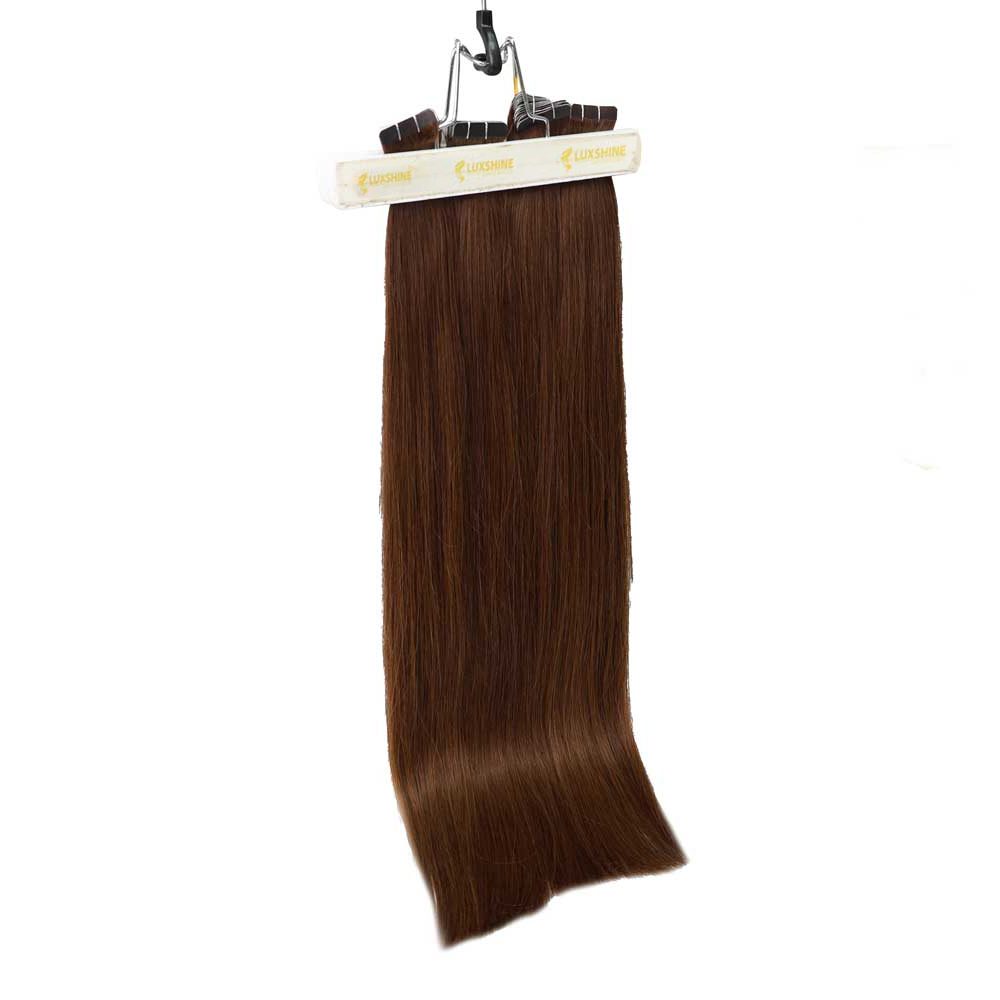
At Luxshine Hair, we specialize in premium Vietnamese human hair for wholesalers, distributors, salons, and hair brands worldwide. Contact Luxshine Hair today and discover why thousands of hair professionals choose Vietnamese hair for their business growth.

 Vietnamese Hair Extensions
 Best Selling Products
 About us
 Contact Us
 Wholesale Hair Vendor
 Luxshine Hair Blog